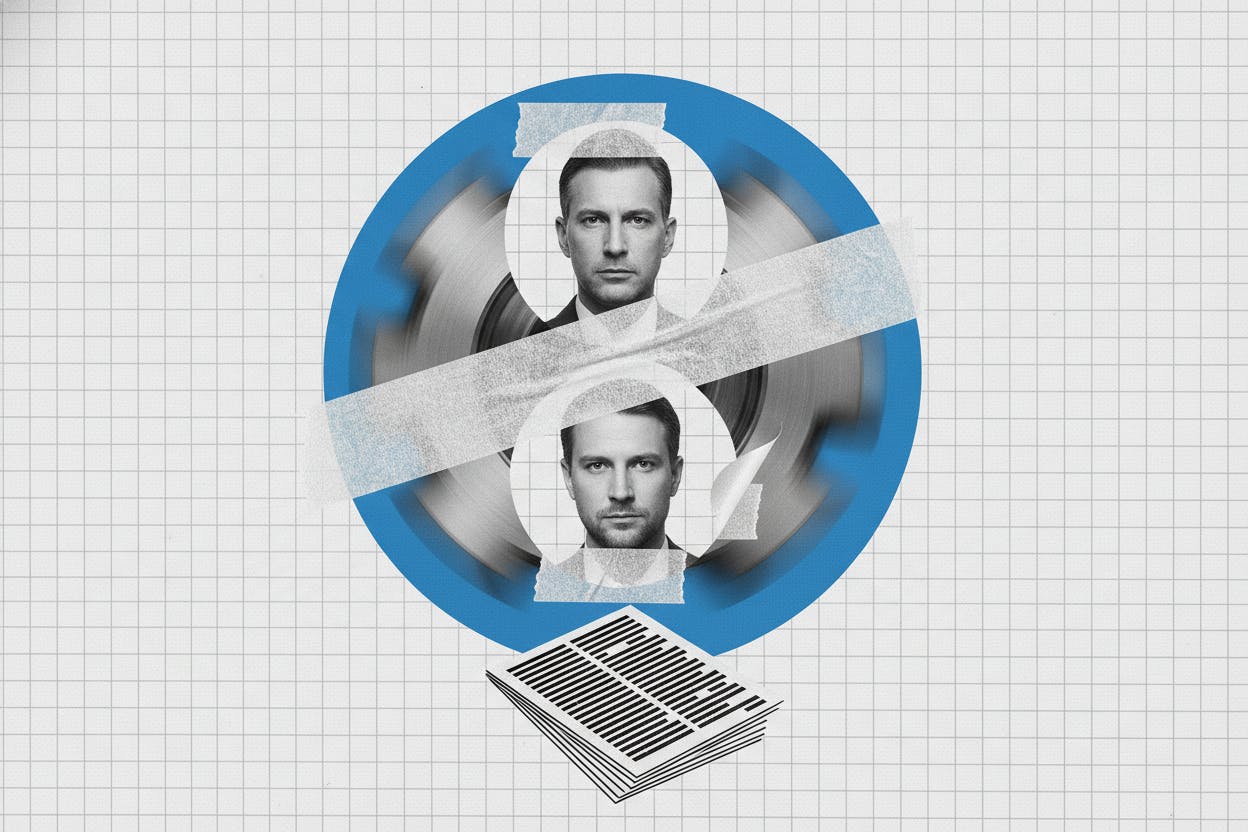
Bosch, the world's largest automotive parts supplier, announced a sudden leadership change on [date], naming deputy chief Christian Fischer as its new chief executive officer effective July 1. The move comes after current CEO Stefan Hartung requested to step down, even though the company had extended his contract through 2031 just last October.
The surprise switch puts a spotlight on Bosch's ongoing efforts to improve profitability after a challenging period for auto suppliers, where high input costs and uneven vehicle demand have squeezed margins across the industry.
What Happened
Christian Fischer, who has served as deputy CEO and was closely involved in shaping Bosch's recent strategy, will take the helm at a critical juncture. Stefan Hartung's departure follows a tenure marked by efforts to navigate the auto industry's transition to electric vehicles and software-defined cars, while also managing cost pressures.
In April, Hartung outlined a plan to lift margins through tighter cost control while continuing to invest in new technologies—a balancing act that requires clear priorities and swift decision-making. The leadership change, while unexpected, suggests that Bosch's broad strategic direction is likely to remain intact, given Fischer's role in formulating that strategy.
Why This Matters for Investors
Leadership transitions are always disruptive, but the timing here is particularly notable. When a company renews a CEO's contract and then replaces them months later, investors tend to focus less on strategy and more on execution. New leaders often revisit which costs get cut, which projects get funded, and how aggressively timelines are enforced.
In the auto supply sector, where fixed costs are high, even small changes in production volumes or pricing can have an outsized impact on profitability. Bosch's size—it is the world's largest automotive supplier—means that shifts in its cost discipline or spending priorities can ripple through the entire supply chain via tougher or looser purchasing terms, pricing, and order patterns.
For everyday investors, this news is a reminder that corporate leadership changes can signal shifts in operational focus. While the broad strategy may stay the same, the pace and priority of cost-cutting and investment decisions can change under new management.
Broader Context
The auto supply industry has been under pressure from multiple directions. Rising raw material costs, supply chain disruptions, and the massive capital investments required for electrification and autonomous driving technologies have kept margins thin. At the same time, consumer demand for vehicles has been uneven, with high interest rates and economic uncertainty weighing on purchases.
Bosch's situation is not unique. Other major suppliers have also been restructuring and cutting costs to adapt to the changing landscape. The company's ability to execute its margin improvement plan will be closely watched by industry analysts and investors alike.
In related market news, oil prices hit a four-month low as tanker traffic resumes in the Strait of Hormuz, which could ease some cost pressures for manufacturers. Meanwhile, copper rebounded on a weaker dollar, but weekly losses loom, reflecting ongoing uncertainty in industrial demand.
What to Watch Next
Investors and industry observers will be watching for any changes in Bosch's cost-cutting targets, investment budgets, or strategic priorities under Fischer's leadership. The company's next earnings report and any public statements from the new CEO will provide clues about the direction of the company.
Given Bosch's central role in the auto supply chain, any shifts in its approach could have implications for other companies in the sector. For example, Bernstein warned that H&M's easy margin gains are fading as demand stays soft, highlighting the broader challenges facing companies with high fixed costs.
The leadership change at Bosch is a reminder that even well-laid plans can be disrupted by personnel shifts. For now, the company's focus on improving margins and investing in new technologies appears unchanged, but the execution will be under a new leader starting July 1.