The Czech Republic's inflation rate ticked up in July, but the increase was mostly a fuel story rather than a sign of broad price pressures across the economy. Headline inflation rose to 1.7% year-on-year, up from 1.5% in June, according to the Czech National Bank (CNB), the country's central bank.
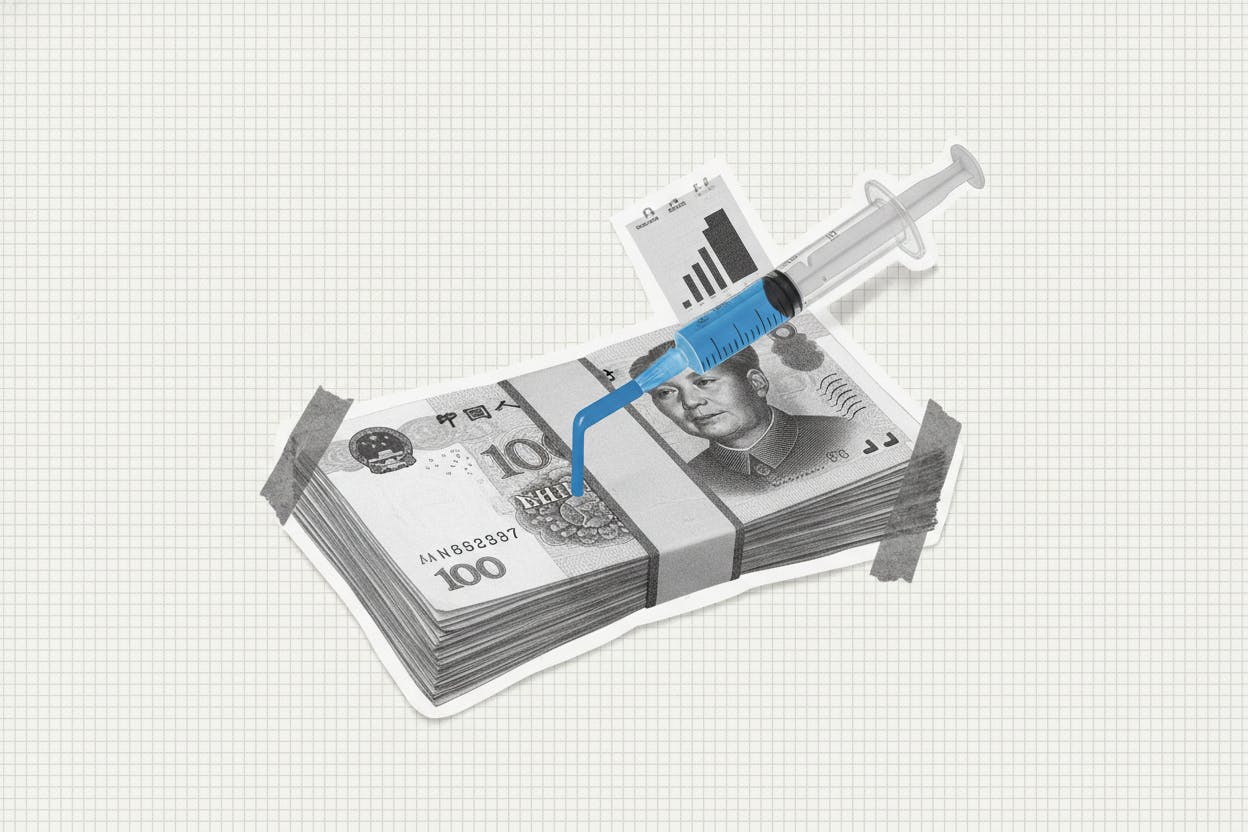
The main driver was fuel. Petrol and diesel prices were nearly 17% higher than a year earlier, a jump the CNB attributed to higher global oil prices and the reinstatement of diesel excise duty to its previous level. That single category did most of the heavy lifting in pushing the headline rate higher.
Stripping out volatile items like fuel and food, core inflation—which tracks the underlying trend in prices—also moved up, to 3.0% from 2.9% in June. That's still above the CNB's 2% target, but the central bank said the overall inflation backdrop hasn't changed much. Food prices, meanwhile, remained a bright spot, averaging 3.1% lower than a year earlier, though the CNB noted that commodity costs could shift that picture in the months ahead.
What's behind the numbers?
Inflation measures how much the prices of everyday goods and services have risen over the past year. A rate of 1.7% means that a basket of goods that cost 1,000 koruna a year ago now costs about 1,017 koruna. For most central banks, including the CNB, the goal is to keep inflation near a target—in this case, 2%—because moderate, stable price growth is seen as healthy for an economy.
The July reading is still below that target, which gives the CNB some breathing room. But the uptick in core inflation is worth watching. Core inflation strips out food and energy, which swing around a lot, to give a clearer view of underlying price pressures. When core inflation is sticky, it can signal that demand is strong enough for businesses to pass on higher costs to consumers.
The fuel spike is a reminder of how external factors can ripple through an economy. Oil prices have been volatile, and the return of the diesel excise duty—a tax that had been temporarily reduced—added to the year-on-year comparison. For Czech drivers, that means higher costs at the pump, but for the broader economy, it's a one-off adjustment rather than a sign of runaway inflation.
What it means for investors
For everyday investors, the key takeaway is that Czech inflation is still relatively tame, and the central bank is unlikely to feel pressured to raise interest rates aggressively. Interest rates are the main tool central banks use to control inflation: when they go up, borrowing becomes more expensive, which tends to cool spending and price growth. When they go down, it becomes cheaper to borrow, which can stimulate the economy.
With inflation below target, the CNB has room to keep rates where they are or even consider cuts later this year, depending on how the data evolves. That's generally positive for borrowers, including those with variable-rate mortgages, and for businesses that rely on credit. On the flip side, savers with fixed-rate deposits might see returns stay modest if rates don't rise.
The fuel-driven nature of the inflation bump also means it's not necessarily a signal for the broader economy. If oil prices settle down and food prices stay low, headline inflation could drift back toward the target. But if core inflation continues to creep up, that would be a more serious concern, as it suggests underlying price pressures are building.
Investors should also keep an eye on how the CNB's stance compares with other central banks. In the region, the Bank of Korea has signaled it may hike rates again, while the Reserve Bank of Australia is holding rates steady as it expects inflation to cool. The Czech situation is more benign, which could make Czech assets relatively attractive if global inflation pressures persist.
Globally, inflation data is in focus, with markets watching US inflation figures due this week and Treasury yields climbing as traders await the CPI report. The Czech numbers are a small piece of that puzzle, but they reinforce the picture of an economy where price pressures are contained, even if not fully gone.
For now, the CNB's message is one of caution: the inflation backdrop hasn't changed much, and the July uptick is more noise than signal. Investors should watch whether core inflation stays around 3% or starts to drift higher, and whether fuel prices continue to climb. Those two factors will likely determine the central bank's next move.