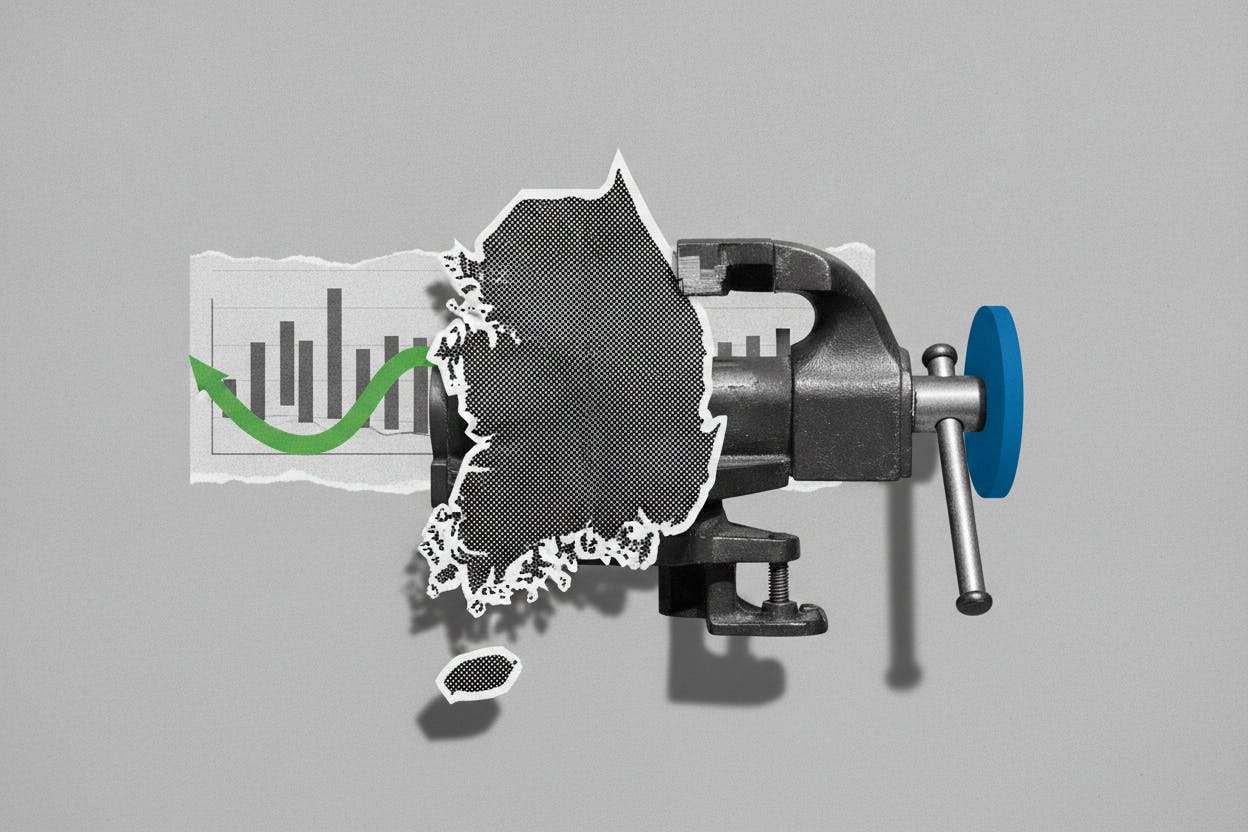
South Korea's central bank is signaling that its recent rate increase may not be the last. A senior policymaker has told markets not to expect a pause, warning that another hike is highly likely unless an 'extraordinary shock' intervenes.
Ryoo Sang-dai, a member of the Bank of Korea's monetary policy board, said the 'possibility of an additional rate hike is high.' His comments come just weeks after the central bank raised its benchmark interest rate for the first time in three and a half years, a move that marked a turning point in its fight against inflation.
Why another hike is on the table
The central bank's concern is that inflation is no longer just a temporary problem caused by supply disruptions. Instead, it is becoming 'demand-driven'—meaning it is being sustained by steady consumer spending and a resilient economy. That type of inflation is harder to shake off because it reflects underlying strength in the economy rather than one-off shocks like energy price spikes.
Ryoo's warning lands even though July inflation data showed a cooling to a three-month low, helped by falling oil prices. But policymakers appear to be looking past that short-term relief. They are focused on the broader trend, where price pressures remain stubbornly above the bank's target.
Another factor weighing on the decision is the South Korean won, which has remained weak against the US dollar. A weaker currency makes imported goods more expensive, adding to inflation. That dynamic is a key reason why the central bank may feel compelled to keep raising rates, even as some other central banks around the world consider slowing down.
What this means for investors
For everyday investors, the message is clear: borrowing costs in South Korea are likely to keep climbing. That has implications for anyone holding Korean stocks, bonds, or real estate, as higher rates tend to cool down asset prices and increase the cost of debt.
Higher rates can also affect global markets, as South Korea is a major exporter and a bellwether for Asian economies. If the Bank of Korea tightens further, it could signal that other central banks in the region may follow suit, especially those facing similar inflation pressures.
Investors should also watch the won's trajectory. A weak currency can boost exporters by making their goods cheaper abroad, but it also raises import costs and can fuel inflation. The central bank's focus on the won suggests it sees currency stability as a key part of its inflation fight.
Context: a global tightening trend
The Bank of Korea's stance is part of a broader global trend. Many central banks, from the US Federal Reserve to the European Central Bank, have been raising rates to combat inflation. However, some have recently signaled a more cautious approach, as growth concerns mount.
In Asia, the Bank of Japan has also been a focus, with markets watching for signals of a policy shift. The upcoming week's inflation data and BoJ signals will be closely watched for clues about the region's monetary policy direction.
Meanwhile, the Reserve Bank of Australia has held rates steady, seeing inflation cool by late 2025. That contrast highlights the differing challenges facing central banks: some are still fighting high inflation, while others are starting to see it ease.
What to watch next
The Bank of Korea's next policy meeting will be a key event for markets. Investors will be listening for any hints about the timing and size of a potential hike. The central bank's language will be scrutinized for whether it maintains its hawkish tone or softens it in response to economic data.
Also important will be the path of oil prices. If energy costs continue to fall, that could ease some inflation pressure and give the central bank room to pause. But if prices rebound, the case for another hike strengthens.
For now, the message from Seoul is that the fight against inflation is not over. Investors should prepare for the possibility of higher rates for longer, and adjust their portfolios accordingly—whether that means favoring sectors that benefit from a strong currency or being cautious with debt-heavy investments.
As always, it's wise to stay diversified and keep an eye on how these macroeconomic shifts play out in your own investments.