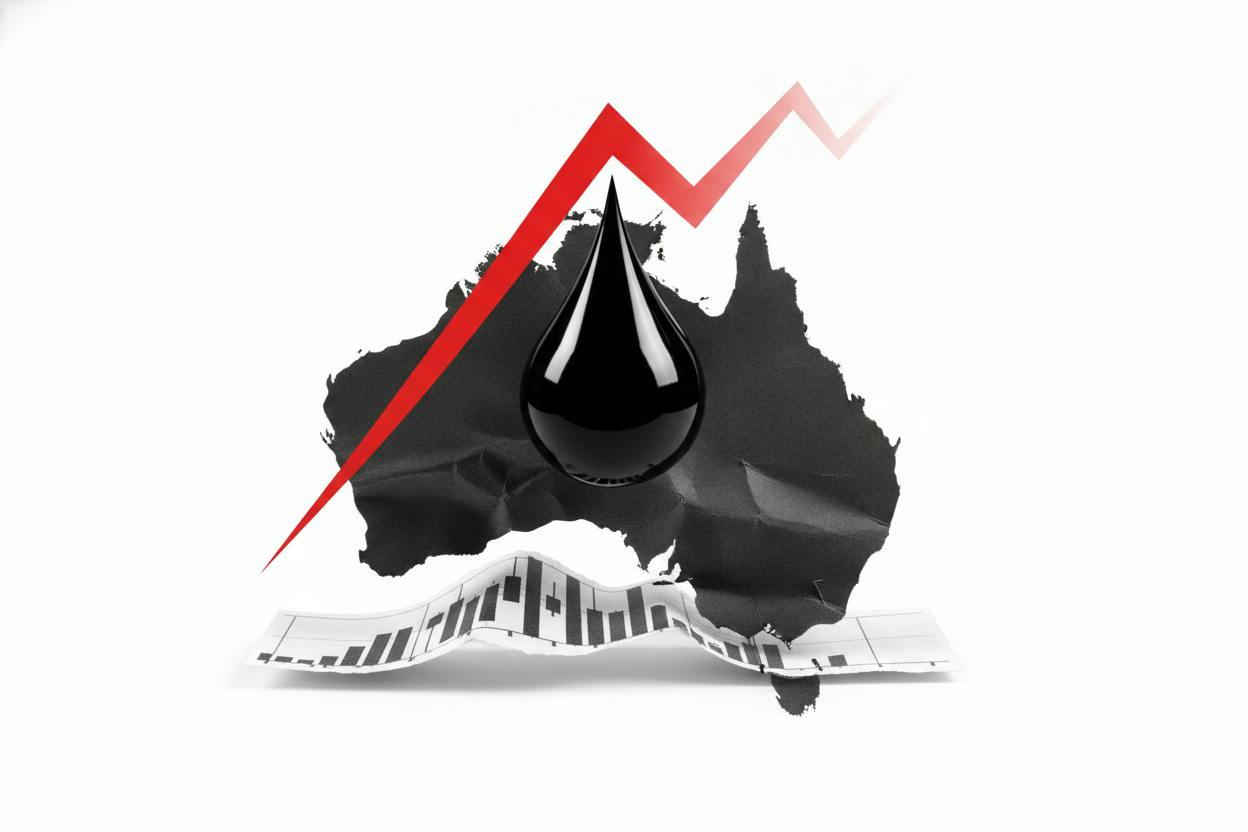
Australian business conditions have slipped into negative territory for the first time since 2020, a sign that the country's economy is cooling under the weight of rising costs and cautious consumers. The latest quarterly survey from National Australia Bank (NAB), one of the country's biggest lenders, found that business conditions fell by 3 points to minus 2 in the third quarter.
The reading marks a notable shift. For most of the past four years, Australian businesses have reported conditions in positive territory, reflecting resilient demand and solid economic growth. Now, that run has ended, and the data points to a more challenging environment for companies across the country.
Costs outpacing prices
The core problem, according to the survey, is a squeeze on profit margins. Businesses told NAB that their sales margins dropped by 4 points to minus 20, the weakest level since June 2020. That is what happens when the cost of inputs—like materials, energy, and wages—climbs faster than what customers are willing to pay.
Specifically, purchase costs rose by 1.2% over the quarter, while the prices businesses could charge for their final products increased by only 0.5%. That gap means companies are absorbing the difference, eating into their profitability. For many, there is a limit to how much they can pass on to customers before demand starts to fall.
This margin squeeze is a classic sign of an economy where inflation is still running hot on the cost side, but consumer demand is too weak to support higher prices. It is a tricky position for businesses, and it often leads to cost-cutting measures, such as delaying investment or slowing hiring.
Confidence improves but stays negative
While conditions deteriorated, business confidence actually improved in the latest survey—though it remained in negative territory. That suggests that while companies are still cautious about the future, they may be slightly less pessimistic than they were earlier in the year.
Confidence and conditions often move together, but they can diverge. A pickup in confidence, even from a low base, could hint that businesses see some light at the end of the tunnel. However, with conditions still negative, any optimism is fragile.
The survey comes at a time when the Australian economy is facing a mix of pressures. High interest rates, set by the Reserve Bank of Australia (RBA), have been cooling demand across the economy. At the same time, global uncertainties, including trade tensions and volatile commodity prices, are adding to the challenges for exporters and manufacturers.
What it means for investors
For everyday investors, this survey is a useful barometer of the health of the Australian corporate sector. When business conditions turn negative, it often translates into weaker earnings for listed companies, particularly those in cyclical industries like retail, manufacturing, and construction.
It also has implications for the broader market. If businesses are struggling to maintain margins, they may pass on higher costs to consumers, which could keep inflation elevated. That, in turn, could influence the RBA's decisions on interest rates. Investors have been watching closely for any signs that the central bank might cut rates, but persistent cost pressures could delay that.
The survey also aligns with other recent signals about the Australian economy. For instance, Australian shares have been flat recently, with gains in mining stocks offset by dips in banking shares, as investors await key jobs data. That data will provide more clues about the strength of the labour market, which is a crucial factor for consumer spending and business revenues.
Investors should also keep an eye on how the margin squeeze affects specific sectors. Companies with strong pricing power—those that can raise prices without losing customers—are likely to weather this period better than those in highly competitive markets. This is a theme that has been playing out globally, as seen in recent earnings reports from consumer-facing companies like Olive Garden's parent, which missed sales expectations as diners cut back on spending.
Looking ahead
The NAB survey is just one piece of the puzzle, but it adds to a picture of an economy that is slowing. The RBA has been hiking rates to bring inflation down, and the full impact of those hikes is still working through the system. Business conditions often lag interest rate moves, so the negative reading could be a sign that more pain is ahead.
On the positive side, the improvement in confidence, however slight, suggests that businesses are not expecting a deep recession. And with the labour market still relatively tight, the economy may avoid a sharp downturn.
For investors, the key takeaway is that the environment is becoming more challenging for corporate profits. That doesn't mean it's time to panic, but it does mean being selective about which companies you own. Firms with solid balance sheets, pricing power, and exposure to resilient demand are better positioned to navigate this period.
As always, it's important to remember that surveys like this are backward-looking and can be volatile. The next few months will be crucial in determining whether this negative reading is a blip or the start of a longer trend. Investors will be watching upcoming economic data, including inflation figures and employment numbers, for more clarity.
In the meantime, the message from Australian businesses is clear: costs are rising, prices can't keep up, and margins are feeling the pinch. That's a dynamic that investors should keep in mind as they assess the outlook for the Australian market.