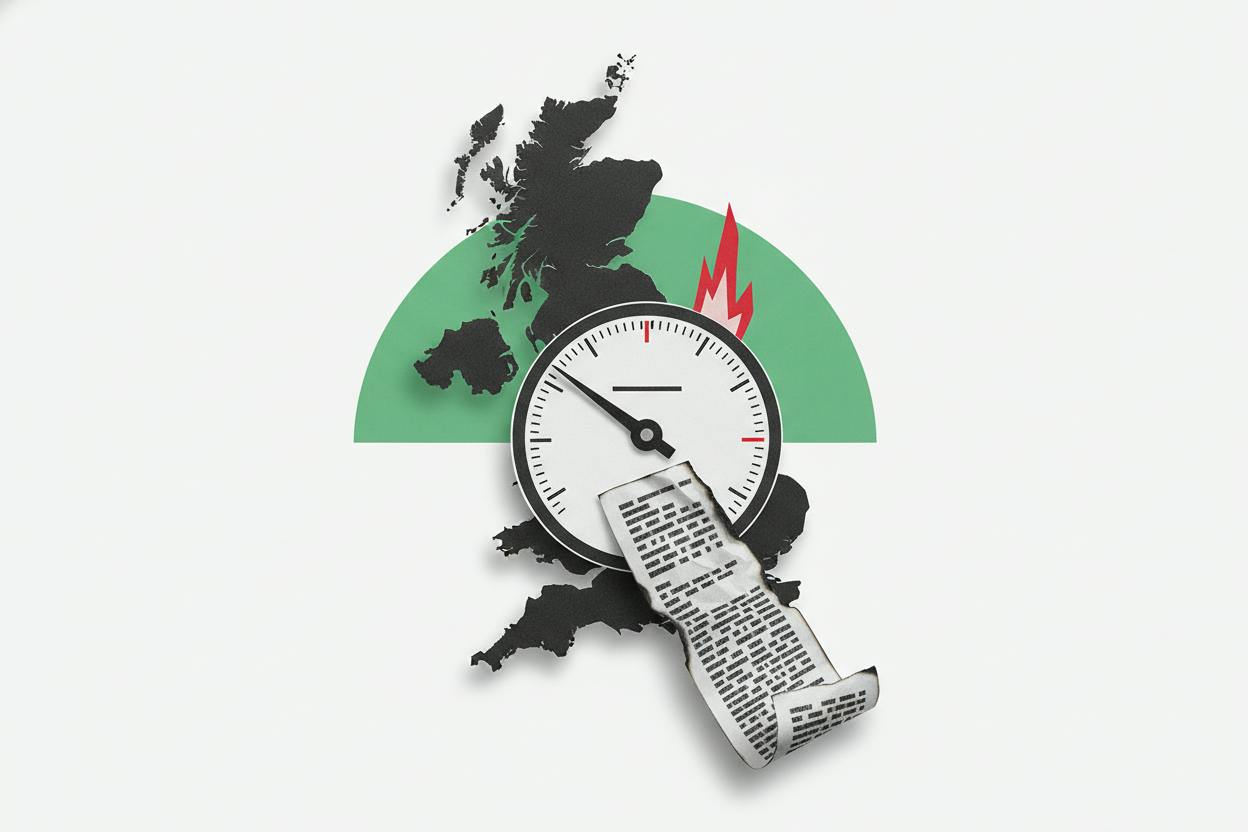
UK consumer confidence climbed to its highest level in more than two years this September, according to research firm GfK. The company's headline Consumer Confidence Barometer rose to -13, up from the previous month's reading and comfortably ahead of the -16 that economists had expected.
While the index remains in negative territory — meaning pessimists still outnumber optimists — the steady improvement signals that households are gradually feeling less anxious about their financial situation and the broader economy. GfK noted that the latest figure is the strongest since August 2024.
What's behind the improvement?
The survey, which has been running for decades, asks consumers about their personal finances over the past year and the year ahead, as well as their views on the general economic situation and whether now is a good time to make major purchases. All of these components reportedly moved in a more positive direction in September.
That improvement comes even as households continue to grapple with higher inflation and elevated energy costs. The cost-of-living squeeze that dominated much of the past two years has eased somewhat, but prices are still rising faster than the Bank of England's 2% target, and energy bills remain a significant burden for many families.
Consumer confidence is closely watched by economists and investors because it often acts as a "permission slip" for spending. When people feel more secure about their jobs and finances, they are more willing to replace a worn-out appliance, book a holiday, or sign up for a new mobile contract. That spending, in turn, drives demand for goods and services across the economy.
What it means for investors
For investors, a brighter consumer mood is generally a positive sign for companies that rely on discretionary spending — think retailers, travel firms, restaurants, and entertainment providers. If households start opening their wallets a little wider, those businesses could see a boost in sales and profits.
However, the recovery is still fragile. The fact that confidence remains negative suggests many people are still cautious, and the pressures from inflation and energy costs haven't disappeared. If those pressures intensify again, the recent gains in confidence could quickly reverse.
It's also worth noting that confidence surveys measure sentiment, not actual spending. People can feel better about the future but still hold off on big purchases if they're worried about their savings or job security. So while the trend is encouraging, it's not a guarantee that consumer spending will surge.
Investors will be watching upcoming retail sales data and company earnings reports for signs that improved sentiment is translating into real purchases. Companies in sectors like bulk retailers have already noted that inflation is driving shoppers to seek value, and a more confident consumer could change those dynamics.
The broader economic backdrop also matters. With global bond yields near multi-year highs as inflation fears persist, central banks around the world are grappling with how quickly to cut interest rates. In the UK, the Bank of England has held rates steady recently, but if inflation continues to ease, rate cuts could come sooner than expected, which would give consumers and businesses another boost.
For now, the message from GfK's data is one of cautious optimism. The UK consumer is feeling a bit better, but the road to full confidence is still long. Investors should watch for confirmation in hard data — like retail sales and GDP growth — before betting on a sustained consumer-led recovery.