When Boston Beer reports its third-quarter earnings on Thursday, investors hoping for a surprise may be disappointed. Analysts at RBC Capital Markets expect the brewer of Samuel Adams and Truly hard seltzer to deliver results near the low end of its own guidance, as soft demand and higher freight costs continue to weigh on the business.
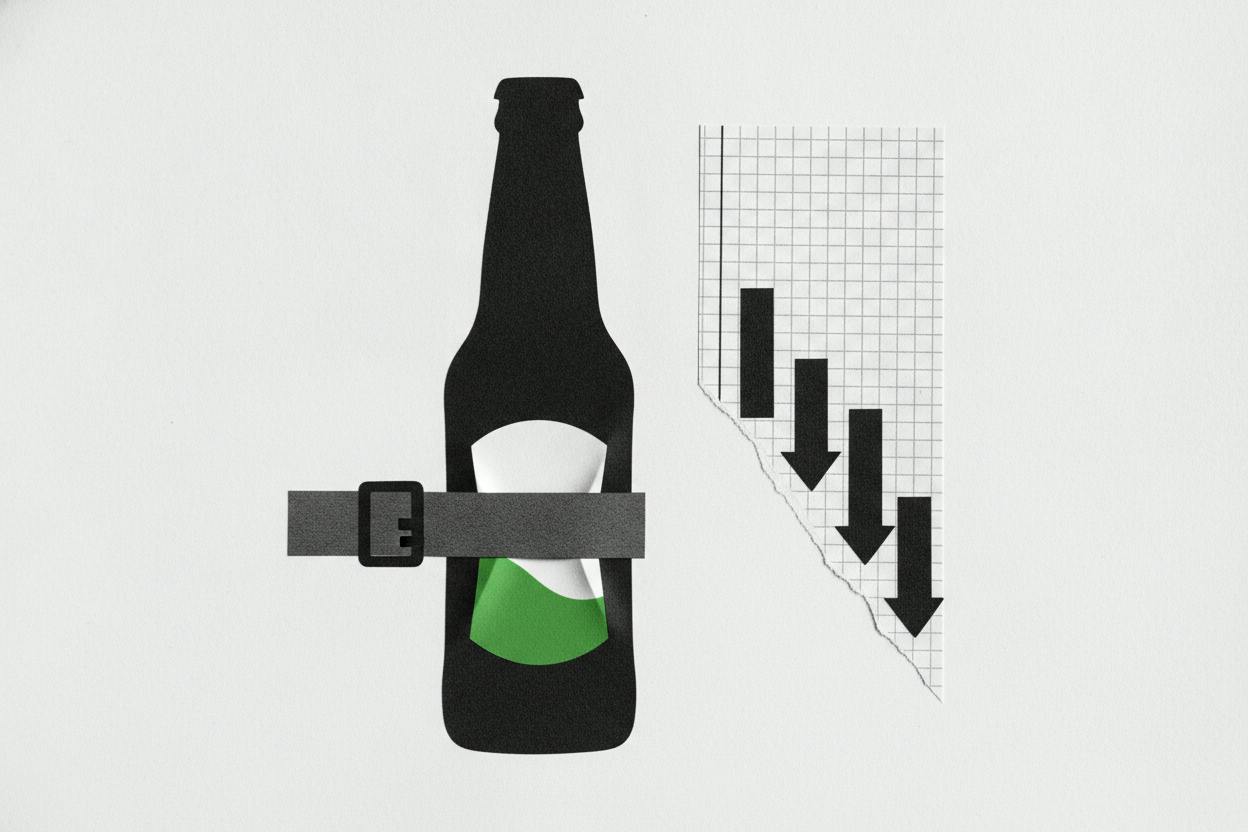
In a note published Tuesday, RBC said two headwinds look particularly sticky: slower sales volumes and pricey shipping. The bank pointed to scanner data showing volumes down 7.1% in the third quarter, an improvement from the prior quarter's 8.3% decline, but cautioned that scanner figures have often made "depletions"—beer shipped to distributors—look better than reality. That matters because Wall Street is still braced for about a 4.7% decline in depletions for the quarter.
What's behind the softness?
Boston Beer has been grappling with a broader slowdown in the hard seltzer category, which exploded in popularity a few years ago but has since cooled as consumers shift back to other beverages. The company's Truly brand, once a growth engine, has faced intense competition and changing tastes. Meanwhile, its core Samuel Adams line has struggled to regain momentum in a crowded beer market.
Freight costs have also been a persistent problem. Shipping beer is expensive, and when volumes are weak, those costs become harder to absorb. RBC notes that elevated freight expenses are likely to keep profit margins under pressure, even if the company manages to trim other costs.
The company's guidance for full-year earnings per share of $8.50 to $10.50 already reflects these challenges. RBC's view is that the third-quarter print will likely come in at the lower end of that range, meaning the report may not shift the narrative for the stock.
What investors should watch
For everyday investors, the key takeaway is that Boston Beer's problems are not new, and Thursday's report may not offer much to change the story. The company has been working to revitalize its brands and cut costs, but the macro environment—higher shipping costs and a cautious consumer—remains tough.
Investors will be listening for any updates on depletions trends, as well as commentary on whether the company expects the freight cost pressure to ease in the coming quarters. They'll also want to hear about any new product launches or marketing initiatives that could reignite growth.
It's worth noting that Boston Beer's struggles are not unique. Other beverage makers have faced similar headwinds, and the broader consumer staples sector has been under pressure as shoppers trade down to cheaper options. Rising costs are a theme across many industries, and companies that can't pass them on to customers often see margins shrink.
What it means for your portfolio
If you own Boston Beer shares, this report is unlikely to be a game-changer. The stock has already priced in a lot of the bad news, and the guidance range gives management some room to maneuver. But if the company misses even the low end, or if management lowers guidance for the year, the stock could take a hit.
For those considering buying, it's important to remember that investing in a single company carries risk. Boston Beer's future depends on its ability to revive its brands and navigate a challenging cost environment. Investors often look for growth stories, but Boston Beer is more of a turnaround play right now.
RBC's note suggests that patience may be required. The company is not expected to deliver a blowout quarter, but that doesn't mean the stock is doomed. If management can show that volumes are stabilizing and costs are being managed, the market might reward the shares over time.
As always, it's wise to keep an eye on the broader market context. Inflation and interest rates remain key factors for consumer spending, and any surprises on that front could affect Boston Beer's performance.
In the end, Thursday's report is likely to be a non-event for the narrative. The real question is whether Boston Beer can execute on its turnaround plan in the quarters ahead. For now, RBC's cautious stance is a reminder that the road to recovery may be longer than some hope.