Broken Hill Mines, an Australian miner, reported higher ore processing for the latest quarter, yet its shares fell sharply on Thursday, dropping more than 15% to their lowest level since August 2025. The market's reaction underscores that investors are less impressed by the volume increase than by the fact that the operation is still running well below its full potential.
What the numbers show
In its filing with the Australian Securities Exchange (ASX), Broken Hill Mines said it processed 129,084 tonnes of ore during the quarter, up from 117,261 tonnes in the same period a year earlier. That is a year-on-year improvement of about 10%.
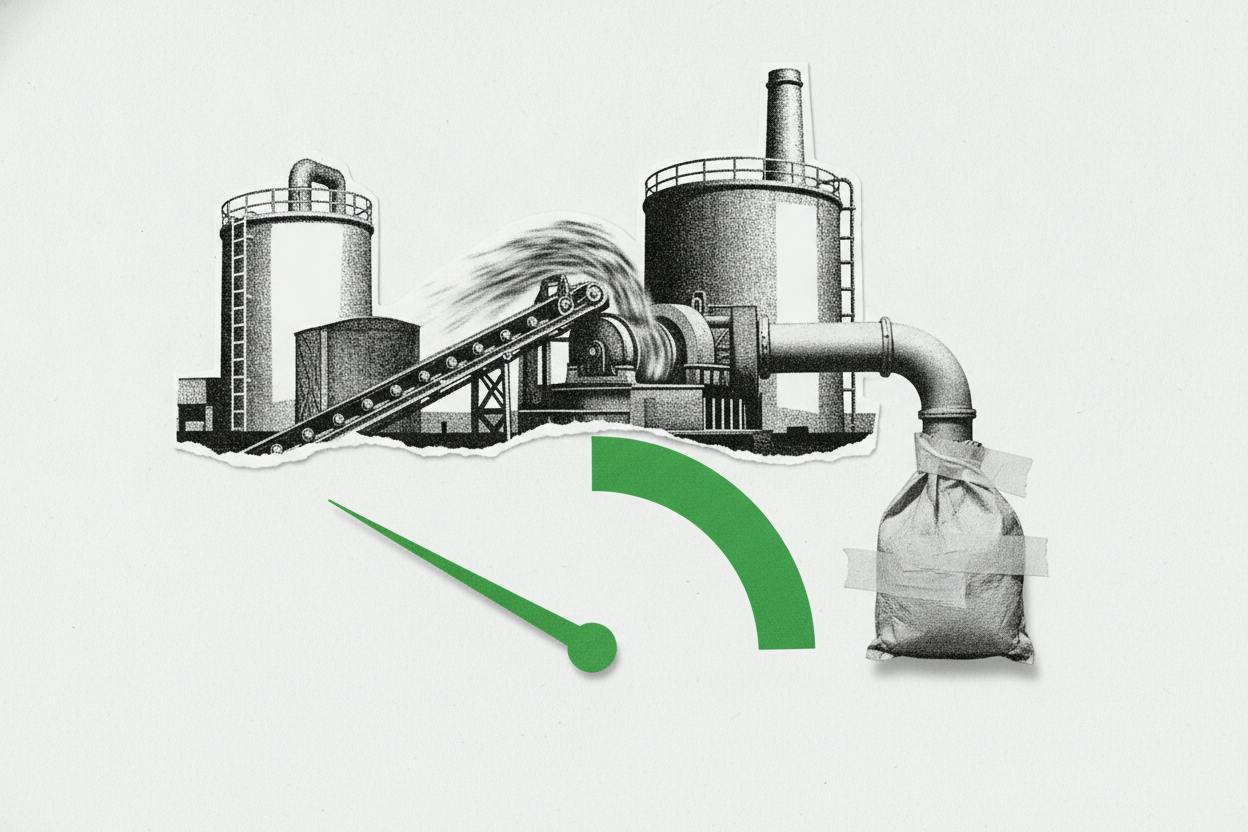
However, that pace translates to an annualized run rate of roughly 516,000 tonnes, which is only about 69% of the plant's designed capacity of 750,000 tonnes per year. In other words, the company is still leaving a significant chunk of potential output on the table.
The company also reiterated that its tailings dewatering plant—a key piece of infrastructure that helps manage waste and water—remains on track to be completed in the first half of calendar 2027. That timeline is unchanged, but it may be longer than some investors had hoped, especially given the current underutilization.
Why investors are selling
For a mining company, the gap between actual production and capacity is a critical metric. Running at 69% means higher per-tonne costs, because fixed costs like labour, power, and equipment maintenance are spread over fewer tonnes of output. That can squeeze profit margins even when ore prices are stable.
Investors may also be concerned about the pace of improvement. While processing is up from a year ago, the company has not yet outlined a clear timeline for reaching full utilization. The tailings dewatering plant, which is expected to help address bottlenecks, is still more than a year away.
The share price drop—more than 15% in a single session—suggests the market was hoping for more concrete progress or a faster ramp-up. In the mining sector, such sharp moves often reflect disappointment with operational updates rather than a change in the underlying commodity outlook.
What it means for investors
For everyday investors, this news is a reminder that production growth alone does not always translate into share price gains. What matters is how efficiently a company uses its assets and whether it can convert higher output into better profitability.
Broken Hill Mines' situation is not unique. Many miners, especially smaller or mid-sized ones, face periods where they are ramping up operations and dealing with infrastructure constraints. The key question for investors is whether the company can close the gap to full capacity and at what cost.
The company's own guidance points to the tailings dewatering plant as a catalyst for improvement, but that is not expected until 2027. In the meantime, investors will be watching quarterly updates closely for signs that the utilization rate is climbing faster than expected.
It is also worth noting that the broader mining sector has been under pressure recently, with some miners slipping on copper news and other headwinds. However, Broken Hill Mines' drop appears to be company-specific, driven by its own operational update.
Looking ahead
The next few quarters will be crucial for Broken Hill Mines. If the company can show meaningful progress toward full utilization, the share price could recover. But if the ramp-up stalls or the tailings plant faces delays, the sell-off could continue.
For now, the market has voted with its feet, signaling that it wants to see more than just higher tonnage. Investors should keep an eye on the company's cost per tonne, any updates on the tailings plant timeline, and overall market conditions for the metals it produces.
As always, it's important to remember that individual stock moves can be volatile, and operational updates like this one are just one piece of the puzzle. Diversification and a long-term perspective remain key for most investors.