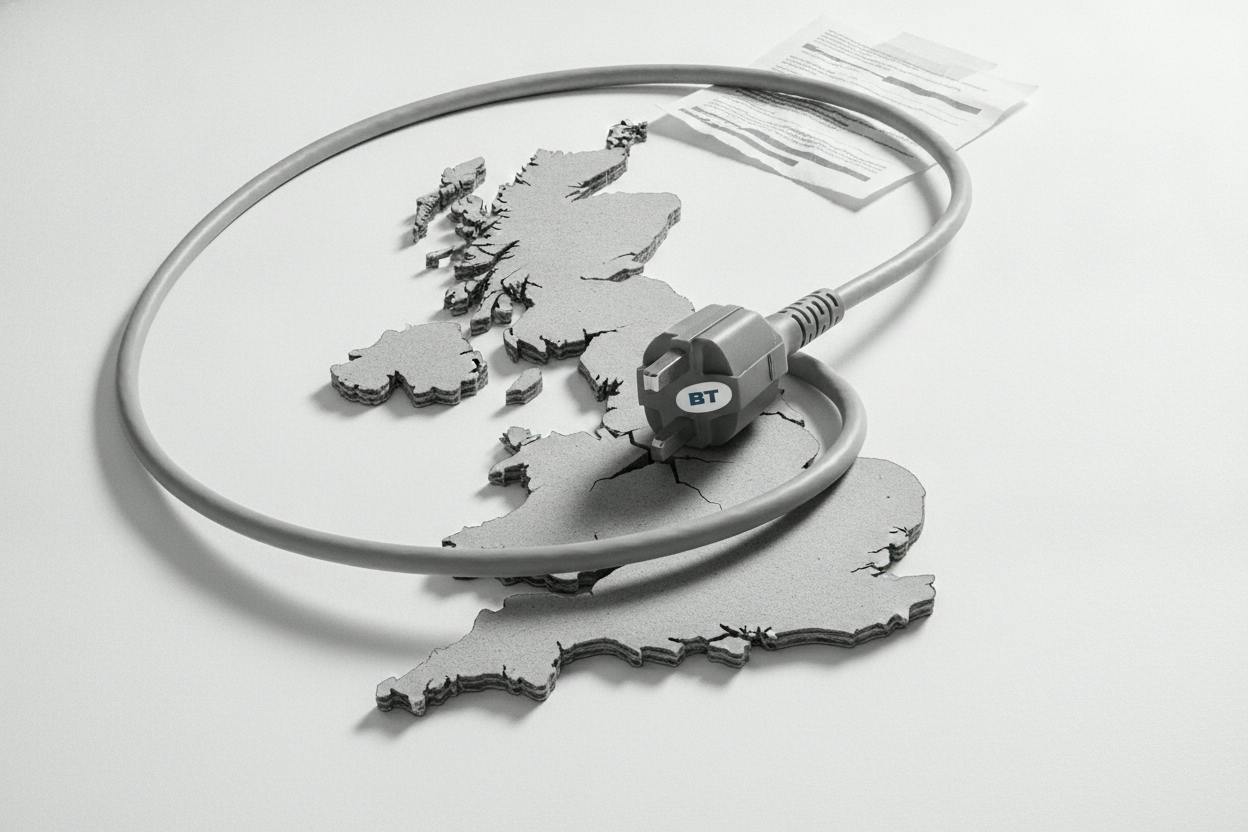
The UK telecoms sector is set for a major shake-up after BT agreed to buy struggling broadband provider TalkTalk for £400 million. The deal, which has been fast-tracked by the government, is expected to have significant implications for millions of customers and the wider market.
What's Happening?
BT, the UK's largest broadband and mobile operator, has reached an agreement to acquire TalkTalk, a provider known for its budget-friendly internet services. The £400 million price tag reflects TalkTalk's current financial difficulties, as the company has been struggling to compete in a fiercely competitive market.
The government has fast-tracked the deal, indicating its importance for the country's digital infrastructure. TalkTalk serves around 2.5 million customers, and the acquisition will see BT take over its operations, potentially affecting service quality and pricing.
Why Is This Happening?
TalkTalk has faced mounting challenges in recent years, including intense competition from larger rivals like BT, Virgin Media, and Sky, as well as rising costs and a need for significant investment in its network. The company's financial struggles made it difficult to keep up with the pace of technological change, particularly the rollout of full-fibre broadband.
For BT, the acquisition is a strategic move to consolidate its position in the market. By absorbing TalkTalk, BT gains access to a large customer base and can potentially reduce competition, which may have long-term effects on pricing and service offerings.
What Does This Mean for Investors?
For everyday investors, this deal is a reminder of the dynamics at play in the telecoms sector. Consolidation is a recurring theme, as larger players seek to strengthen their market share and achieve economies of scale. While this can lead to more stable companies, it also reduces choice for consumers, which could impact pricing over time.
Investors in BT will be watching closely to see how the integration of TalkTalk proceeds. The success of the deal will depend on BT's ability to manage costs, retain customers, and deliver on its promises of improved service. For those holding BT shares, the acquisition could be a positive step if it leads to increased efficiency and profitability.
However, it's important to note that this deal is not without risks. Integrating a large customer base can be complex, and there may be regulatory hurdles to overcome. The government's fast-tracking suggests a willingness to see the deal through, but investors should remain cautious about potential challenges.
What's Next?
The acquisition is expected to close in the coming months, subject to regulatory approval. In the meantime, TalkTalk customers may see changes in their service as BT begins the integration process. For the broader market, this deal could signal further consolidation, as other providers may look to strengthen their positions in response.
For investors, the key takeaway is to stay informed about how this deal unfolds and what it means for the competitive landscape. As always, it's wise to consider how such developments fit into your overall investment strategy, rather than making decisions based on a single piece of news.