Burlington Stores, the off-price retailer known for discounted brand-name apparel and home goods, delivered a mixed update for investors on Thursday. The company beat Wall Street's expectations for its latest quarter, but it lowered its profit forecast for the holiday period and beyond. At the same time, it announced a fresh $750 million share repurchase program, a move that often signals management's confidence in the business.
Quarterly results: a beat on the top and bottom line
For its fiscal third quarter, Burlington reported adjusted earnings of $1.73 per share, roughly in line with what analysts had projected. Sales came in at $2.94 billion, showing growth from the prior year. The company also maintained its sales growth outlook for the fiscal fourth quarter, expecting an increase of 7% to 9%.
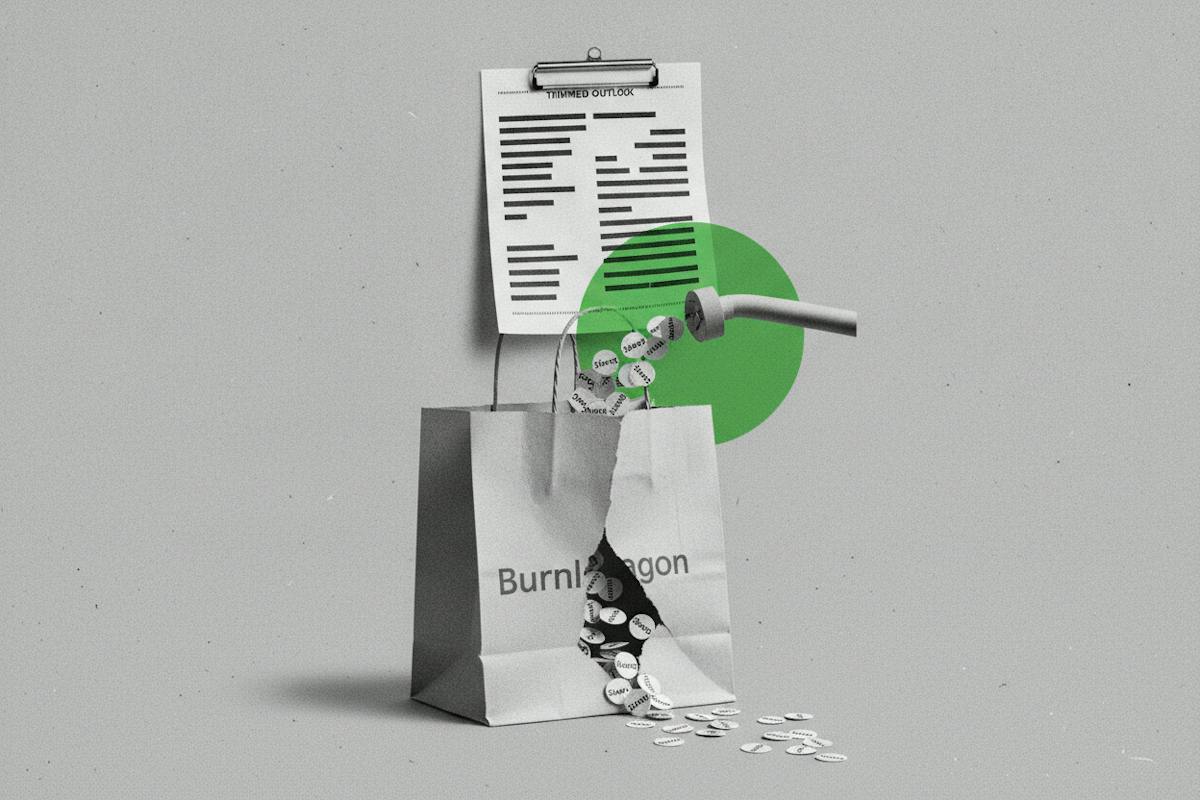
However, the headline that caught investors' attention was the profit guidance. Burlington now expects fiscal Q4 adjusted earnings per share (EPS) to land between $4.85 and $4.95, well below the $5.18 that analysts had been forecasting. The company also nudged down its longer-term profit outlook, though the exact figures were not detailed in the brief.
Why the cautious outlook?
Off-price retailers like Burlington, TJX Companies, and Ross Stores have long been favored by shoppers looking for deals, especially during periods of high inflation. But the sector faces several headwinds. Consumers are becoming more selective, and promotional activity across the retail industry has intensified. Additionally, higher costs for labor and logistics can squeeze margins even when sales are growing.
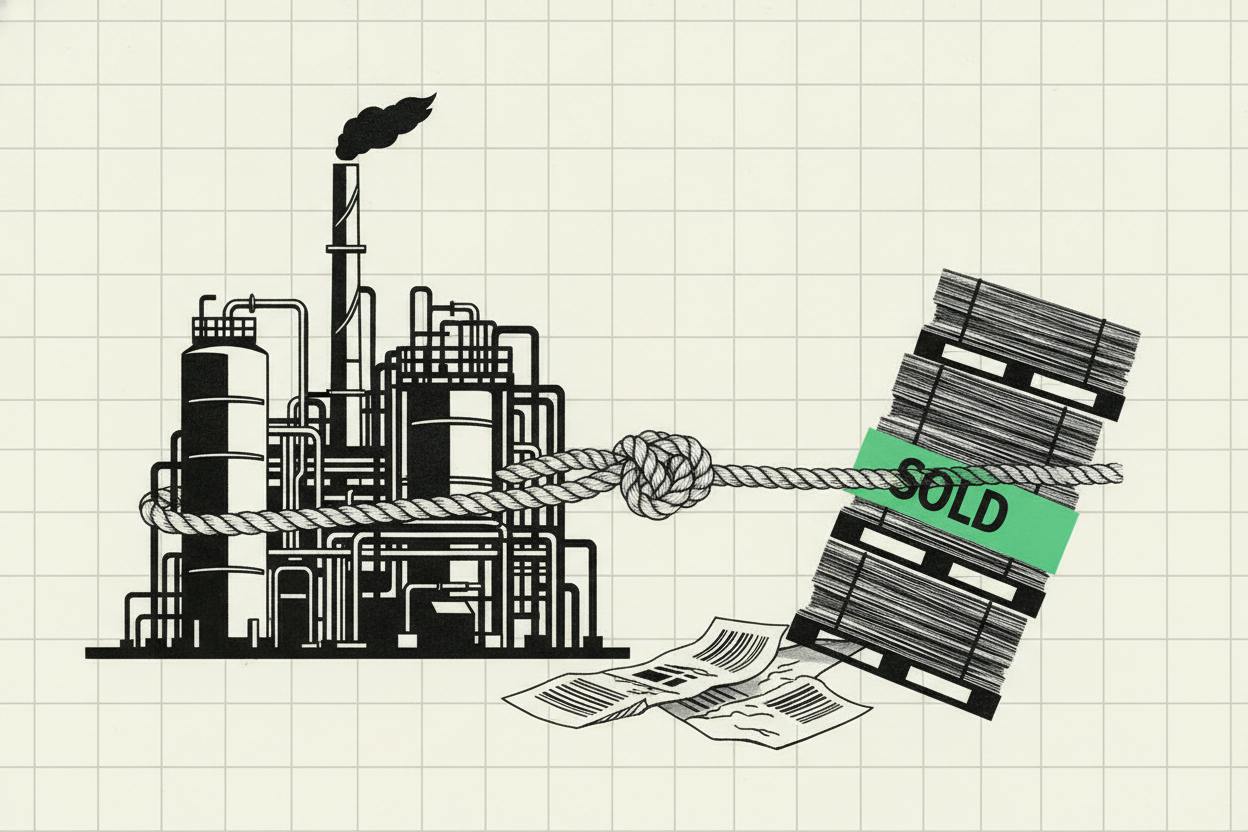
Burlington's guidance suggests that management sees pressure on profitability in the near term, possibly due to a more competitive pricing environment or higher markdowns to move inventory. The company's decision to keep its sales growth forecast intact while trimming profit expectations indicates that it expects to generate revenue but at a lower margin.
The buyback: a signal of confidence
In the same announcement, Burlington's board approved an additional $750 million share repurchase program, set to run through February 2029. This is on top of any existing buyback authority. Share buybacks reduce the number of shares outstanding, which can boost earnings per share over time, and they are often seen as a sign that management believes the stock is undervalued.
For investors, the buyback provides some cushion against the weaker profit outlook. It also returns capital to shareholders directly, which can be attractive in a market where growth is hard to come by.
What it means for investors
For everyday investors, the key takeaway is that Burlington is navigating a tricky retail environment. The company is still growing sales, but profitability is under pressure. The lowered guidance suggests that the holiday quarter may not be as profitable as Wall Street had hoped, which could weigh on the stock in the near term.
However, the buyback program is a positive signal. It shows that management is willing to put money behind its belief in the business. Over the long run, buybacks can enhance shareholder value, especially if the stock price remains depressed.
Investors should also consider the broader retail landscape. Other retailers have faced similar challenges. For instance, Best Buy recently raised its sales outlook thanks to AI gadgets, while Dollar Tree saw its shares jump on an earnings beat. These contrasting results highlight the uneven nature of consumer spending.
Burlington's situation is not unique. Many retailers are walking a tightrope between maintaining sales momentum and protecting margins. The company's ability to manage inventory and costs will be crucial in the coming quarters.
Looking ahead
Investors will be watching Burlington's holiday sales closely, as well as any commentary from management about consumer behavior. The company's guidance for Q4 implies that it expects a decent holiday season, but with less profit per dollar of sales.
For those who own Burlington stock, the buyback is a silver lining. For those considering an investment, the lowered outlook might give pause, but the buyback suggests that insiders see value. As always, it's important to consider your own financial goals and risk tolerance.
In the meantime, the retail sector remains a mixed bag. While some companies are thriving, others are struggling with cautious consumers. Burlington's update is a reminder that even successful retailers face headwinds in a competitive market.