Dollar Tree gave investors an early holiday gift on Thursday, lifting its profit outlook after reporting stronger-than-expected revenue. The discount retailer said more shoppers are coming through its doors for low-cost essentials, a trend that has been building as households look to stretch their budgets.
The company now expects adjusted earnings per share (EPS) of $8.05 to $8.25 for fiscal 2026, up from its previous range of $7.70 to $8.05. The upgrade comes after Dollar Tree beat revenue estimates for the quarter, helped by a 3.8% increase in comparable store traffic, according to CEO Mike Creedon.
That traffic growth pushed comparable sales above the high end of the company's own forecast, a sign that the discount chain is winning over budget-conscious consumers heading into the holiday season.
Tariff refunds provide a boost
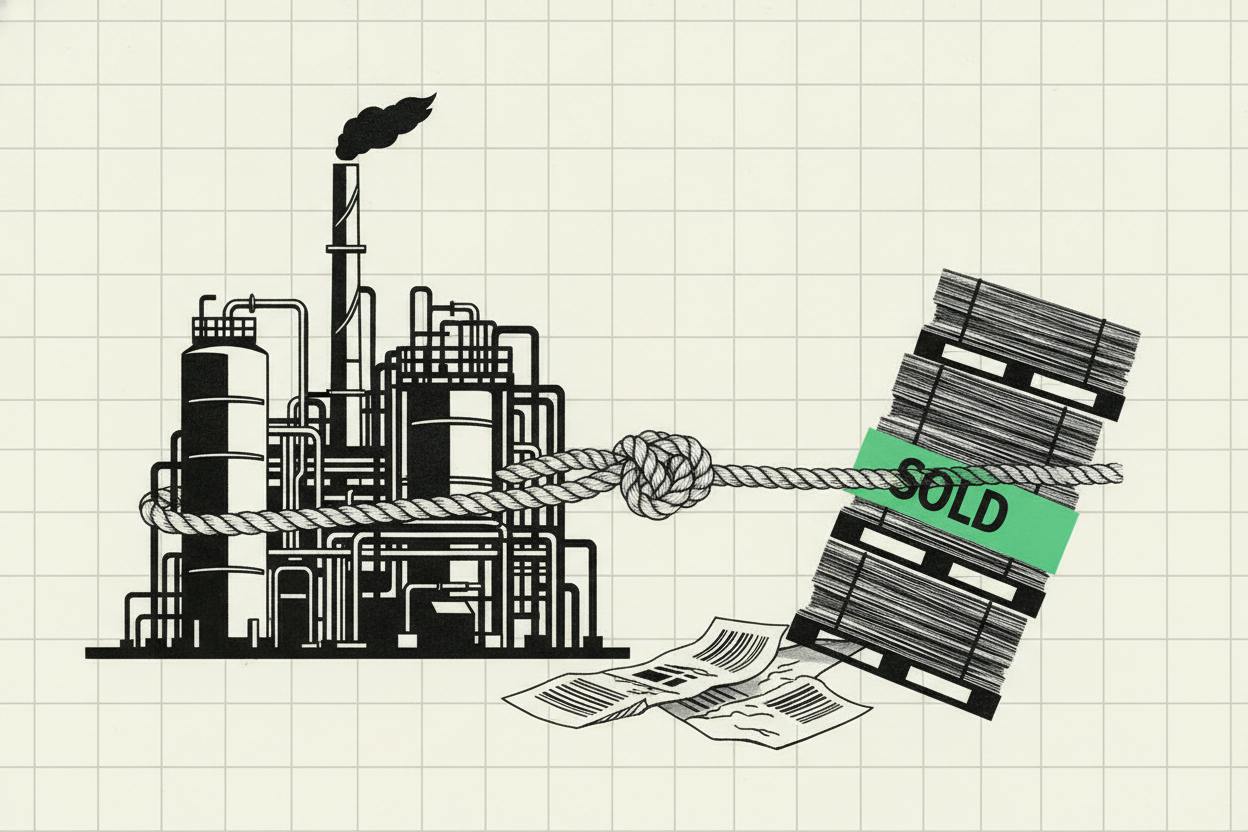
A key part of the improved outlook comes from an unexpected source: tariff refunds. Dollar Tree said it expects these refunds to add about $0.65 per share to its results. The company is not simply banking that money, though. Instead, it's reinvesting a portion into sharper pricing, marketing, and store upgrades.
That reinvestment is already showing up in the numbers. Gross margin dipped to 35.7%, down 10 basis points from a year ago, including 45 basis points of net cost tied to the refund-funded spending. In other words, Dollar Tree is spending some of its windfall to attract customers and improve its stores, which can weigh on profitability in the short term.
The company is also continuing to expand its "multi-price" shelves beyond the traditional $1.25 level. By offering items at higher price points, Dollar Tree aims to bring in a wider range of shoppers who might not have considered the store before.
What it means for investors
For investors, the key question is whether Dollar Tree's stronger profits are built to last. The $0.65-a-share tariff refund is a significant chunk of the raised EPS target, and refunds are generally seen as less repeatable than gains from selling more items or running stores more efficiently.
"Investors often view one-time benefits like tariff refunds as lower quality," said a market analyst. "The real test is whether the traffic growth can continue once that tailwind fades."
The company's decision to reinvest some of the refund into pricing and store improvements could help sustain traffic, but it also puts pressure on margins in the near term. That trade-off is at the heart of the market debate after the results: are stronger profits mainly a one-off refund, or a sign that the 3.8% traffic increase can last?
The answer matters for whether the post-earnings bounce can hold once the refund rolls out of the comparisons. Dollar Tree shares jumped 12% on the news, but some of that enthusiasm could fade if investors start to question the sustainability of the profit growth.
Dollar Tree's performance also reflects a broader trend in the discount retail sector. As inflation has eased but prices remain elevated, more households are trading down to cheaper options for groceries and household goods. That has benefited Dollar Tree and its rivals, including Burlington Stores, which recently cut its profit outlook but added a $750 million buyback, and Best Buy, which raised its sales outlook on AI gadget demand.
For everyday investors, Dollar Tree's update is a reminder that discount retailers can be a defensive play in uncertain economic times. When consumers feel pinched, they tend to seek out value, and that can translate into stronger sales and profits for companies like Dollar Tree.
However, it's also important to look beyond the headline numbers. The quality of earnings matters. A profit boost driven by one-time refunds is not the same as sustainable growth from higher sales or better efficiency. Investors should watch whether Dollar Tree can maintain its traffic momentum and manage its margins as it invests in the business.
The company's multi-price strategy is a key part of that effort. By offering products at various price points, Dollar Tree is trying to appeal to a broader customer base, from bargain hunters to those willing to pay a bit more for certain items. That could help drive sales growth, but it also means the company is moving away from its single-price roots, which could change its brand identity.
For now, the market seems pleased with Dollar Tree's performance. The raised outlook and strong traffic numbers suggest the company is navigating the current environment well. But as the holiday season unfolds, investors will be watching closely to see if the momentum continues and whether the tariff refund proves to be a one-time boost or a sign of more to come.