Cadence Design Systems has introduced a new family of artificial intelligence models aimed at chip designers, built partly on Nvidia's open-weight Nemotron software. The move marks the latest salvo in a fast-escalating race to bring AI agents into the highly precise world of chip design.
The new offering, called Cadence Maestro, is designed to help engineers use AI to place billions of transistors on a chip while meeting strict power, performance, and cost targets. Chip design is a high-stakes, high-precision job, and the software that automates it is known as electronic design automation, or EDA. Cadence and rival Synopsys dominate this market, and both are now betting that AI agents will become essential tools for their customers.
Different approaches to AI deployment
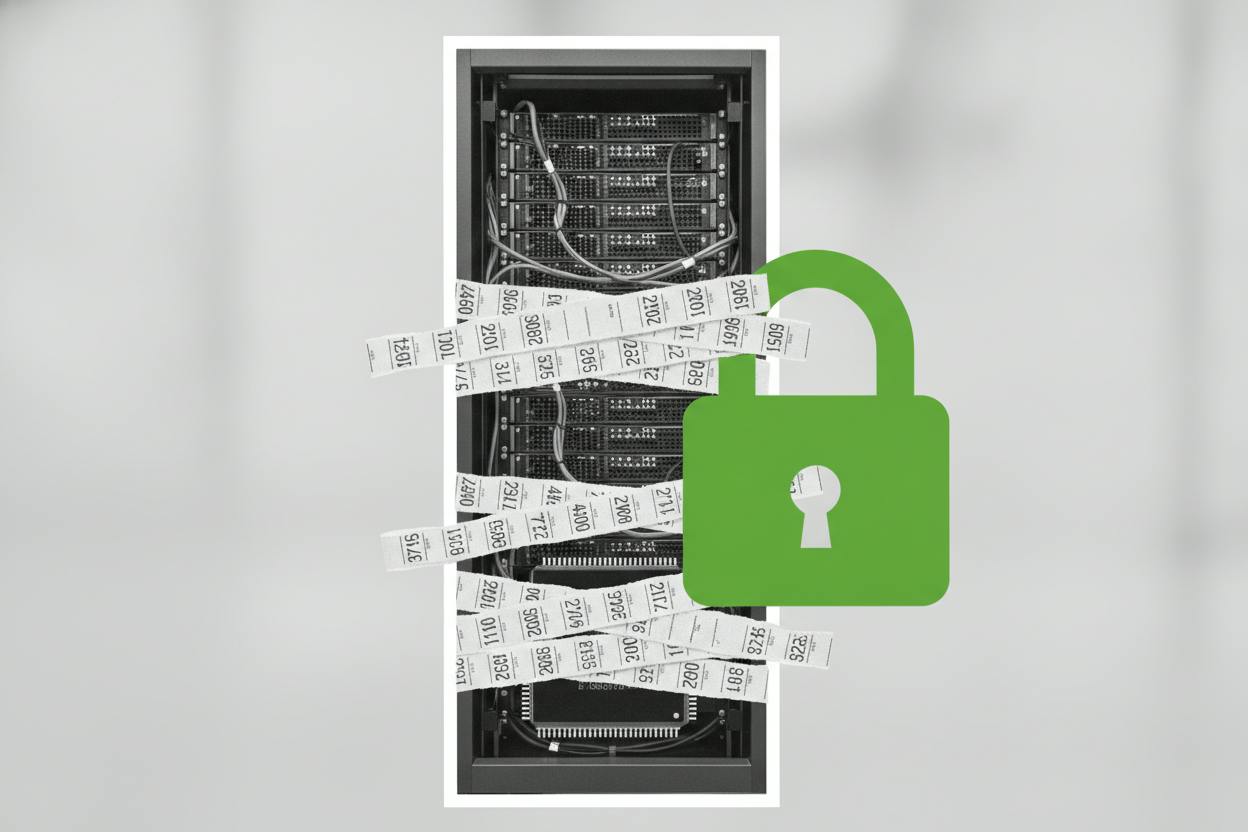
Cadence says Maestro can run on its own cloud, on any public cloud, or entirely on a customer's own servers behind a firewall. Customers can also fine-tune the models on their proprietary designs. That flexibility stands in contrast to Synopsys' approach with its "GPT-Synopsys" offering, which the company has said will run on OpenAI-hosted infrastructure.
The distinction matters because chip designs are among a company's most sensitive intellectual property. If design data cannot leave a company's environment, security reviews and procurement processes can slow down AI adoption, no matter how eager engineers are to use it. By letting customers keep Maestro on-premises and still fine-tune it, Cadence is trying to remove that friction and make AI agents fit into existing enterprise rules.
Cadence also claims that early tests showed up to 30% higher output quality and up to five times better cost-efficiency than general-purpose models. Early access is slated for the fourth quarter, according to Reuters.
Why this matters for investors
For investors, the headline numbers are eye-catching, but the bigger commercial lever is governance. If chip layouts and design data can't leave a company's environment, security reviews and procurement often slow AI rollouts. By offering on-premises deployment, Cadence is positioning Maestro as a tool that can slot into existing enterprise workflows without triggering data-security red flags.
If that strategy works, the payoff is less about a single model launch and more about higher usage and add-on sales across Cadence's installed base. Teams that have been hesitant to put sensitive designs on third-party infrastructure may now be more willing to adopt AI-assisted design tools. That could translate into recurring revenue and deeper customer loyalty.
The move also highlights a broader trend in the tech industry: the shift from standalone AI models to AI agents that can operate complex software. This is not just happening in chip design. Retailers like Walmart are opening their stores to AI shopping agents, and companies like Autodesk are reassuring investors that AI tools won't break their design workflows. The common thread is that AI is becoming a layer on top of existing enterprise software, and the companies that control that layer stand to benefit.
What to watch next
Investors will likely watch how quickly Cadence can convert early interest into paid deployments. The fourth-quarter early access window is a key milestone. They'll also be watching whether Synopsys' OpenAI partnership gains traction, and whether other EDA players enter the fray.
Another factor to consider is Nvidia's expanding role in AI infrastructure. Nvidia has been making moves across the AI stack, from locking in chipmaking capacity to backing Samsung's substrate expansion. Its open-weight Nemotron models are part of a strategy to make Nvidia's technology the default foundation for AI applications in various industries.
For everyday investors, the key takeaway is that AI's impact on chip design is not just about raw performance. It's about trust, security, and how easily AI can be integrated into existing business processes. Cadence is betting that giving customers control over their data will be a decisive advantage. Whether that bet pays off will become clearer in the coming quarters.