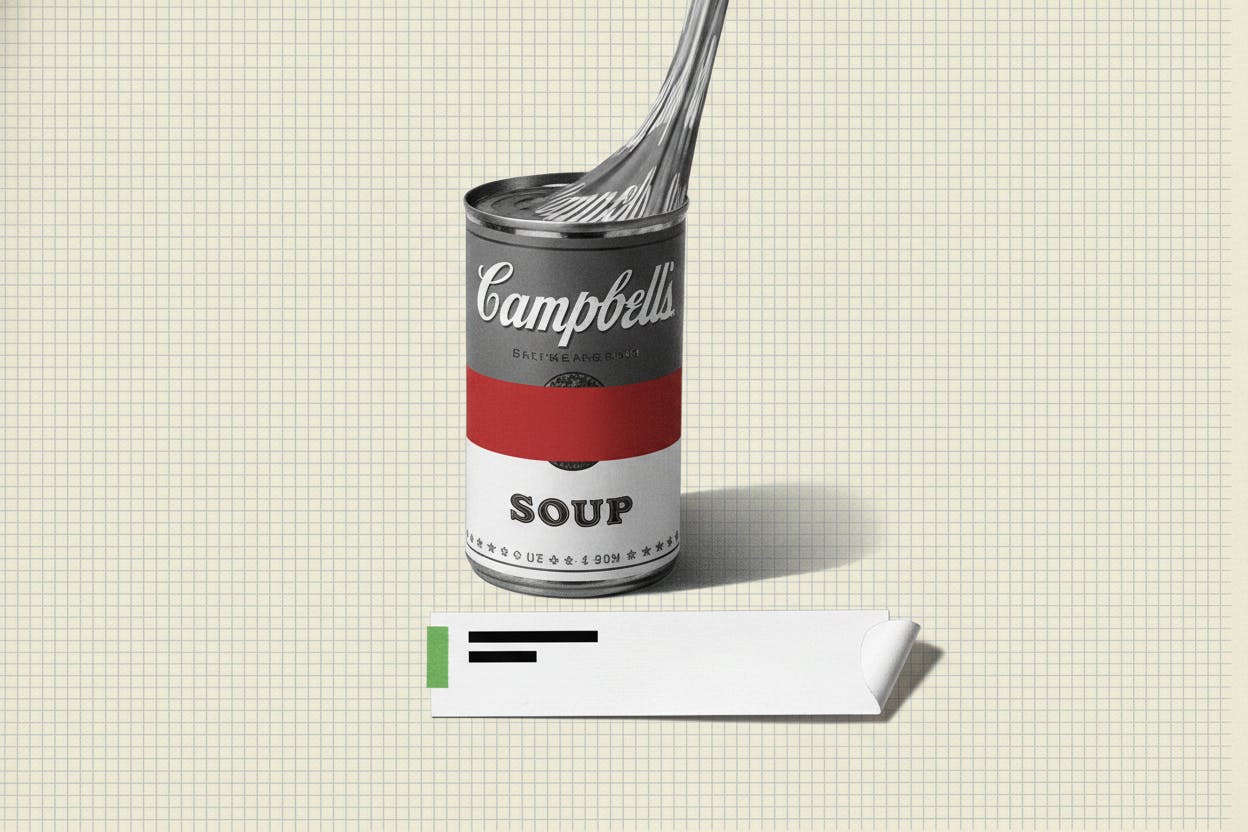
Campbell's, the soup and snack giant behind brands like Goldfish and Prego, may be heading into another round of price increases this fall. According to RBC Capital Markets, the company could raise prices by 3% to 5% in October or November, a move aimed at offsetting higher input costs. But the timing is awkward: early sales data from stores suggests that some of its biggest grocery lines aren't moving as quickly as the company had hoped.
RBC's "retail checks"—informal surveys of what's happening on store shelves and in distribution channels—show that Campbell's Meals & Beverages segment is tracking below plan at many retailers. That segment includes staples like canned soups, broths, and pasta sauces. The snacks side, which includes Goldfish crackers and Pepperidge Farm cookies, is also described as soft, though RBC flagged Rao's, the premium pasta sauce brand, as a relative bright spot.
The potential price increase would apply across both Meals & Beverages and Snacks, according to RBC. The firm's analysts believe the move is mainly to cover higher costs for ingredients, packaging, and transportation—pressures that have been squeezing food companies for years.
Why price hikes are a double-edged sword
For everyday investors, the key tension here is simple: raising prices can boost revenue per item sold, but it can also push shoppers to buy less or switch to cheaper alternatives. That's especially true in grocery aisles, where consumers are still feeling the pinch of higher food prices overall.
Campbell's has been working to recover its sales volumes after a period of price-driven growth. In recent quarters, the company has leaned on promotions and new products to win back shoppers. But if it raises prices again, that recovery could stall. RBC's checks suggest that momentum is already fragile, with sales coming in below internal targets at many retailers.
The company's own guidance has pointed to a return to volume growth, but the retail data raises questions about whether that will materialize as quickly as hoped. For investors, this means watching not just the headline price increases, but whether shoppers keep buying.
What it means for investors
For everyday investors, the takeaway is about the balance between pricing power and consumer demand. Campbell's has shown it can push through price increases, but the risk is that higher prices eventually hit volumes—the number of items sold. If volumes fall faster than prices rise, revenue could stagnate or even decline.
RBC's note suggests that the company is in a tough spot: it needs to protect margins, but it can't afford to alienate shoppers. The fact that sales are already below plan at many retailers is a warning sign that the consumer might be pushing back.
Investors should also consider the broader environment. Food companies across the industry have been dealing with cost inflation, and many have responded with price hikes. But there are limits to how much consumers will absorb, especially for discretionary items. Campbell's, with its mix of affordable staples and premium brands like Rao's, is somewhat insulated, but not immune.
RBC's mention of Rao's as a bright spot is notable. Rao's is a higher-priced brand that has been growing rapidly, suggesting that consumers are still willing to pay up for quality. That could be a key part of Campbell's strategy: using premium brands to offset weakness in more price-sensitive lines.
What to watch next
Investors will be watching Campbell's next earnings report for any update on pricing plans and volume trends. The company's ability to execute price increases without losing too many customers will be a key test. Also worth monitoring is whether the retail checks improve or worsen in the coming months.
For those with a broader portfolio, the story fits into a larger theme of how companies are navigating inflation. Recent signals from the Federal Reserve suggest that interest rates may stay higher for longer, which could keep pressure on consumer spending. That's a backdrop that makes pricing decisions even more critical for companies like Campbell's.
In the meantime, the company's stock will likely react to any news about pricing or sales trends. As always, it's important to remember that analyst notes like RBC's are just one perspective, and actual results may differ.
For now, the key question is whether Campbell's can thread the needle: raise prices enough to protect profits, but not so much that shoppers walk away. The retail checks suggest that's a delicate balance, and the coming months will show whether the company can pull it off.