Elroy Air, a startup building autonomous heavy-cargo drones, is taking a well-trodden but risky path to the public markets. The company has struck a deal to merge with Columbus Circle Capital Corp II, a special purpose acquisition company (SPAC), in a transaction valued at roughly $1 billion. The merger is expected to close in late 2026, and the combined company would trade on the Nasdaq under the ticker ELRY.
What Is a SPAC and Why Use One?
A SPAC, or special purpose acquisition company, is a shell company that raises money in an initial public offering (IPO) with the sole purpose of later merging with a private business. This route allows a company like Elroy Air to go public without the lengthy regulatory process and roadshow of a traditional IPO. However, SPACs have a key feature: the cash raised sits in a trust account, and shareholders can choose to redeem their shares for cash if they don't like the proposed merger. That means the final amount of money the company actually receives can vary wildly from the headline figure.
In Elroy Air's case, the deal includes at least $165 million from committed investors, known as a private investment in public equity (PIPE). On top of that, the company could access up to $230 million more from the SPAC's trust account — but only if current SPAC shareholders do not redeem their shares. This "how much cash actually arrives" question is critical for a capital-intensive business like Elroy Air.
Building Autonomous Heavy-Cargo Drones
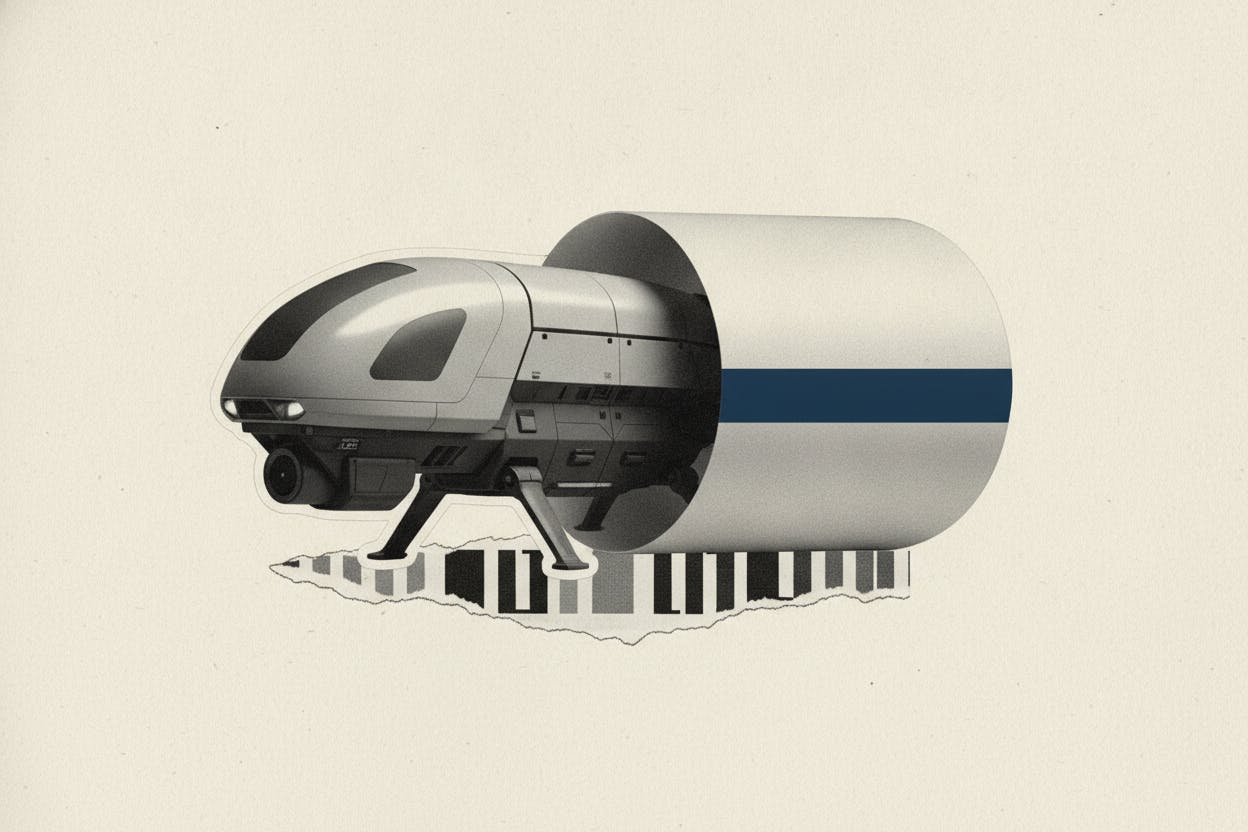
Elroy Air is developing autonomous drones designed to carry heavy cargo — think hundreds of pounds of supplies — over long distances. The company's technology is aimed at defense, emergency response, and logistics markets. Unlike consumer drones, these are large, hybrid-electric aircraft that require significant engineering, testing, and regulatory approval before they can generate meaningful revenue. That means the company will burn through cash for years before it sees a return, making the size of its war chest crucial.
Elroy Air says the proceeds from the SPAC merger will go toward technology and platform development, hiring (especially in software and hybrid-electric systems), and potential acquisitions. The company is betting that demand for autonomous cargo delivery will grow, particularly from military and disaster-relief customers who need to move supplies without risking human pilots.
What It Means for Investors
For everyday investors, the headline $1 billion valuation is less important than the actual cash the company will have to execute its plan. In SPAC mergers, redemptions are the swing factor. If a large number of SPAC shareholders pull their money out, the trust contributes far less than the "up to" figure. That can leave a gap between the deal's stated value and the cash available for a capital-intensive roadmap, pushing the post-merger company to raise more money later.
Extra fundraising often means issuing more shares, which dilutes existing holders and can pressure valuations. This is especially true for early-stage industrial tech companies, where timelines and costs tend to drift. Investors should watch the redemption rate closely as the deal nears closing.
The broader market for SPACs has cooled significantly since the boom of 2020-2021, when hundreds of companies went public via this route. Many of those deals have underperformed, and regulators have tightened scrutiny. Still, SPACs remain a viable option for companies that might struggle to attract traditional IPO investors, particularly in capital-intensive sectors like aerospace and defense.
Elroy Air's move comes amid a mixed backdrop for tech listings. While some chip stocks have rallied on AI optimism — as seen in recent gains for Micron and Qualcomm — the broader IPO market has been uneven. The company's late-2026 timeline means it will have time to develop its technology and build a track record before trading publicly, but it also means investors will have to wait years to see if the bet pays off.
Key Numbers to Watch
- Deal valuation: Roughly $1 billion
- Committed PIPE funding: At least $165 million
- Potential trust proceeds: Up to $230 million, subject to redemptions
- Expected close: Late 2026
- Nasdaq ticker: ELRY
The difference between $165 million and $395 million in total cash is enormous for a company that needs to fund years of development. Investors should treat the lower figure as the floor and the higher figure as a best-case scenario. If redemptions are high, Elroy Air may need to raise additional capital soon after going public, which could dilute early shareholders.
For now, the deal is a bet on the future of autonomous cargo delivery — a market that is still in its infancy. Elroy Air will need to execute on technology, win contracts, and navigate regulatory hurdles before it can turn a profit. The SPAC merger gives it a shot at public funding, but the real work begins after the ticker starts trading.