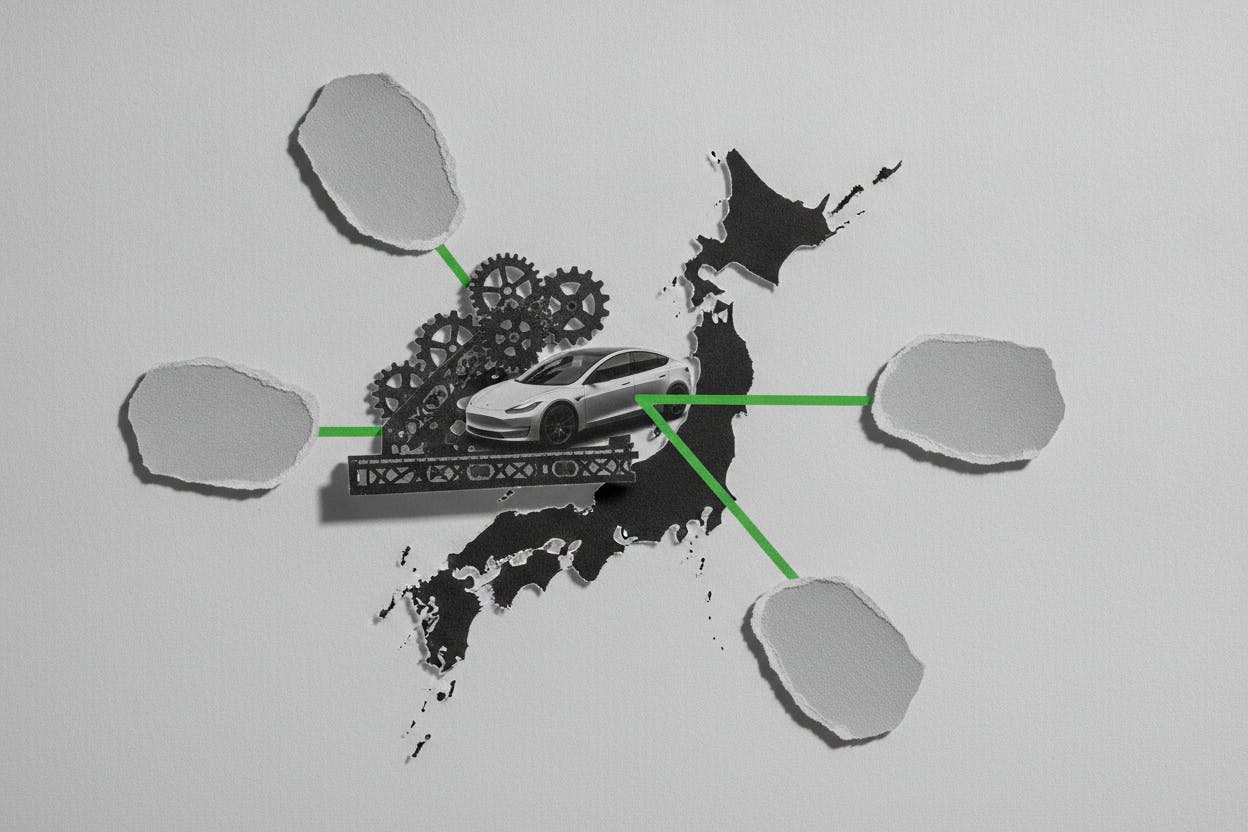
Tesla is expanding its delivery network in Japan from seven locations to 11 this year, according to a report from Nikkei Asia. The move comes after the electric vehicle maker saw demand lift, helped by larger government subsidies and a promotional campaign offering free fast-charging.
The expansion is a practical response to a growing order book. Tesla will add delivery sites in Yokohama and Kobe this month, with further locations planned in the greater Tokyo area and Nagoya by the end of the year. The goal is to shorten the last step of the sale—getting a car from the dock to the customer—and to reduce scheduling bottlenecks that can delay handovers.
Why delivery sites matter
For most car buyers, the final handover is a key moment. Tesla's model is different from traditional dealerships: customers order online, and the car is delivered to a designated site. If there are too few sites, customers may have to wait longer for a delivery slot, and the company may struggle to manage the flow of vehicles arriving from overseas.
By adding more locations, Tesla can spread the workload and make the process smoother. This is especially important in a market like Japan, where space is limited and logistics can be complex. The new sites in Yokohama and Kobe are both port cities, which could help streamline the import process.
The report also notes that Tesla is increasing imports, though specific numbers were not provided. This suggests the company is confident that demand will continue to grow, and that the expanded network will be able to handle the higher volume.
What's driving demand in Japan?
Japan has been a challenging market for Tesla and other foreign EV makers. Domestic automakers have been slower to embrace fully electric vehicles, and charging infrastructure is still developing. However, the Japanese government has been offering bigger subsidies for EV purchases, which has helped lower the upfront cost for consumers.
Tesla's free fast-charging campaign has also been a draw. By offering a period of free access to its Supercharger network, the company can reduce one of the biggest concerns for potential EV buyers: range anxiety. This combination of lower cost and better charging access appears to be working.
The expansion is also a sign that Tesla is willing to invest in Japan, a market where it has historically had a smaller presence compared to other countries. The company's global sales have been growing, but competition is intensifying, and local players are catching up.
What it means for investors
For investors, this news is a small but positive signal. It shows that Tesla is actively managing its operations to meet demand, rather than letting bottlenecks frustrate customers. A smoother delivery process can lead to higher customer satisfaction and potentially more referrals, which are important for a brand that relies heavily on word-of-mouth.
It also suggests that Tesla sees Japan as a growth market. If the expansion helps the company gain a stronger foothold, it could contribute to overall sales growth. However, investors should keep in mind that Japan is still a relatively small part of Tesla's global business, and the impact on the company's bottom line may be limited in the near term.
The broader context is also worth noting. Japan's economy has been showing mixed signals, with some indicators improving but others staying weak. For example, Japan's Eco Watchers Index improved in July but remains below the optimism threshold, suggesting that consumer sentiment is still cautious. That could affect demand for big-ticket items like cars.
At the same time, Japan's 2-year bond yield hit a 30-year high recently, as oil prices and a weaker yen stoked expectations of interest rate hikes. Higher rates could make financing a car more expensive, which might dampen demand. But for now, the subsidy and charging campaign seem to be offsetting those concerns.
Investors should also watch how Tesla handles the logistics of increasing imports. Shipping costs and port congestion can be unpredictable, and any delays could affect delivery timelines. The company has faced such challenges in other markets, so its ability to manage this expansion will be a test of its operational efficiency.
Overall, the move to expand its delivery network in Japan is a sensible step that aligns with Tesla's broader strategy of growing its global footprint. It's not a game-changer, but it's a sign that the company is paying attention to the details that matter for customers.