China's electric-vehicle makers are turning charging speed into the next big battleground, with Geely claiming its new 2.25-megawatt charger can take a car from 10% to 70% battery in just 4.5 minutes. That's a jaw-dropping figure compared with what most drivers experience today.
For context, a typical Tesla Supercharger session from 10% to 80% takes about 15 to 25 minutes, according to a Reuters explainer. Mercedes-Benz says it can do that same jump in as little as 22 minutes. Geely's claim, if it holds up in real-world conditions, would roughly cut that time by more than half.
The race isn't just about bragging rights. Ultra-fast charging is becoming a key selling point as Chinese brands like Geely, BYD, and Li Auto try to ease “range anxiety” and revive demand in the world's biggest car market. With EV sales growth slowing in China, automakers are looking for any edge to convince hesitant buyers to make the switch.
Why charging speed matters
Range anxiety—the fear of running out of battery before reaching a charger—has long been one of the biggest barriers to EV adoption. Even as batteries get bigger and more efficient, the time it takes to recharge remains a pain point. A 10-minute charge that adds hundreds of kilometers of range could make EVs feel more like gasoline cars, where a fill-up takes just a few minutes.
That's why Chinese automakers are pouring resources into charging technology. Geely's 2.25-megawatt system is a massive step up from the 350-kilowatt chargers that are considered fast by today's standards. To put it in perspective, a megawatt is 1,000 kilowatts, so 2.25 megawatts is more than six times the power of a typical fast charger.
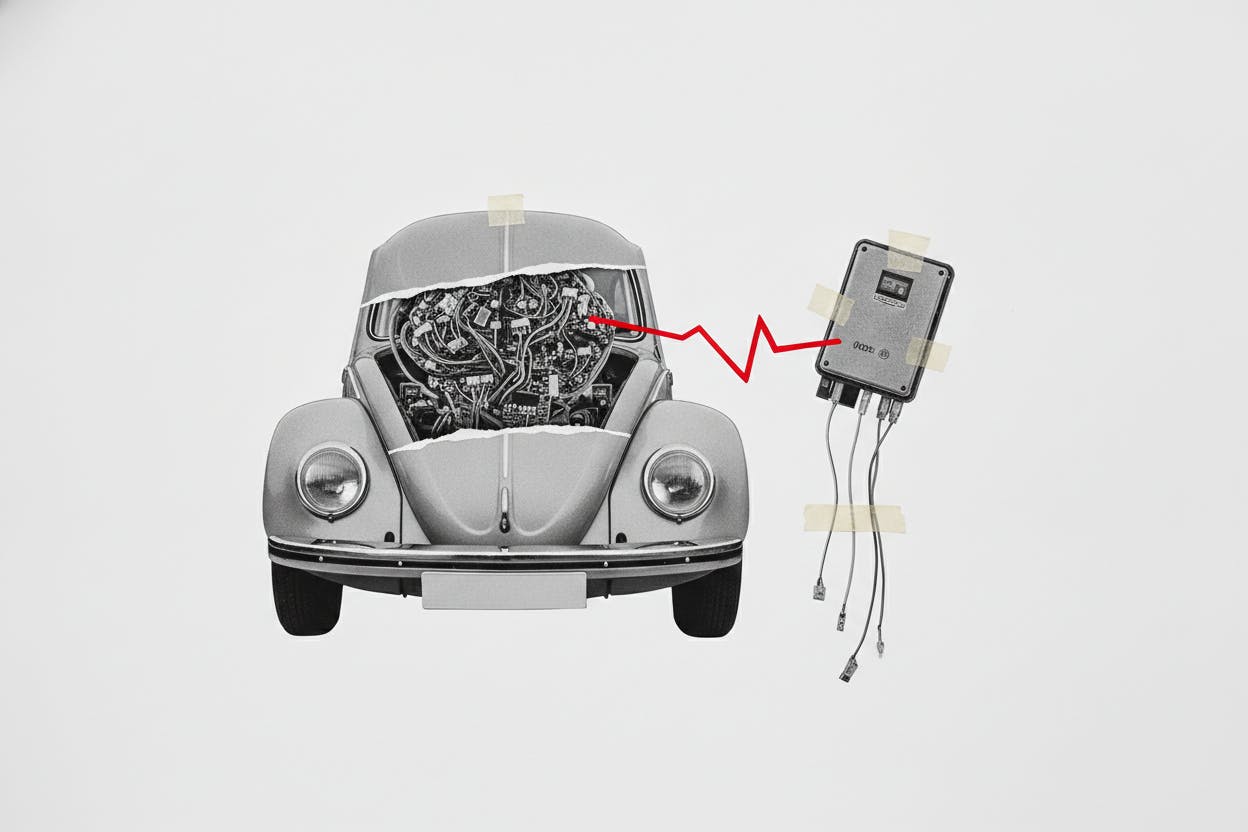
But there's a catch: such high power levels generate enormous heat. Batteries can overheat, degrade faster, or even catch fire if not properly managed. Automakers are working on advanced cooling systems and battery chemistry that can handle these extreme charging rates without compromising safety or longevity.
The grid problem
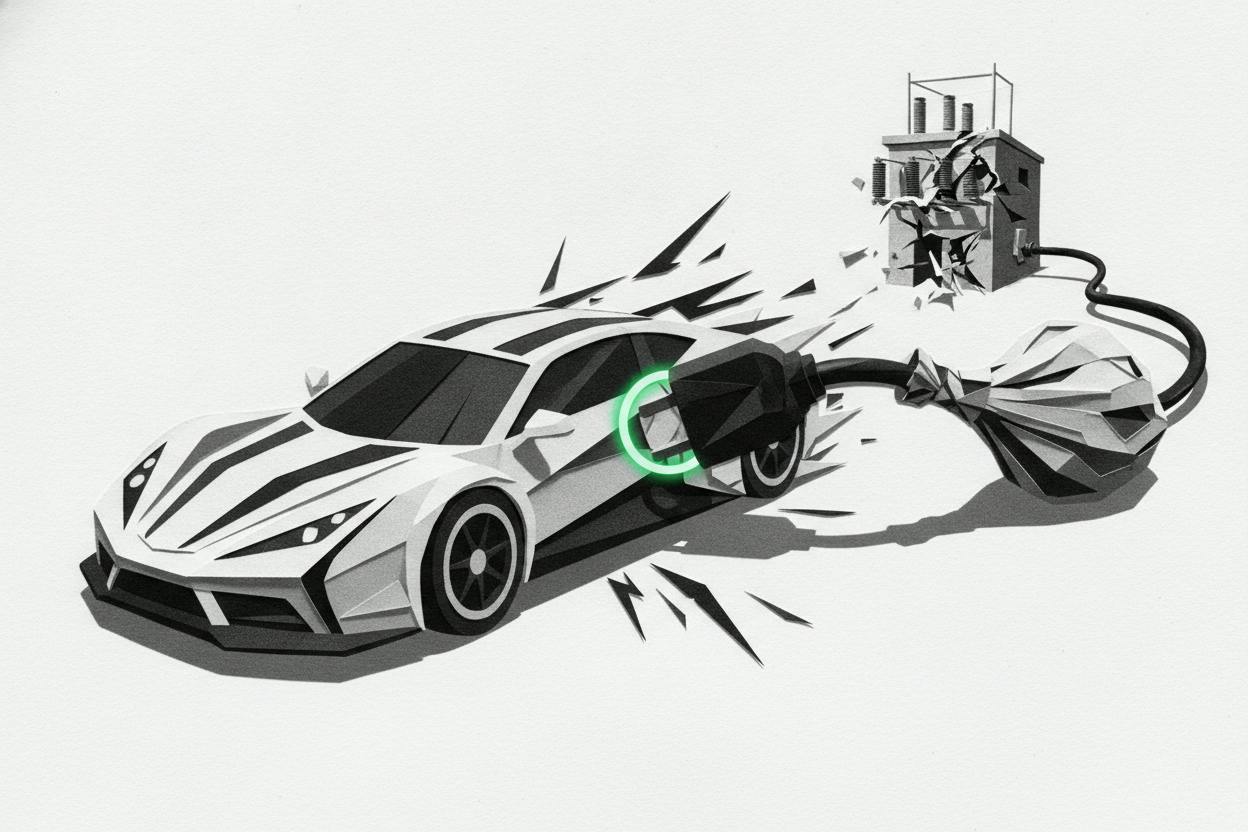
Another hurdle is the electrical grid. A single 2.25-megawatt charger draws as much power as a small shopping center. If multiple cars charge simultaneously at a station, the strain on local grids could be immense. China's grid is already under pressure from rising electricity demand, and adding thousands of ultra-fast chargers could require significant infrastructure upgrades.
This is a challenge that goes beyond China. In many countries, the grid simply isn't built for such high-power charging. Even in the U.S. and Europe, utilities are grappling with how to support the growing number of EVs without overloading transformers and substations.
For investors, this means the charging race isn't just about automakers. It's also about the companies that build the chargers, the cooling systems, the power electronics, and the grid infrastructure. As Geely's announcement shows, the technology is advancing quickly, but the supporting ecosystem has to keep up.
What it means for investors
For everyday investors, the charging-speed race is a signal that competition in the EV market is intensifying. Chinese automakers are not just competing on price and range anymore—they're competing on the entire ownership experience. Faster charging could make EVs more practical for more people, potentially boosting adoption and, in turn, demand for batteries, charging equipment, and electricity.
But it also raises questions about profitability. Building ultra-fast charging networks is expensive, and it's not clear who will pay for the grid upgrades. Automakers might subsidize charging to attract customers, but that could eat into margins. Charging network operators, meanwhile, face high upfront costs and uncertain utilization rates.
Investors should also watch how Western automakers respond. Mercedes-Benz is already touting its 22-minute charging time, and Tesla is constantly improving its Supercharger network. If Chinese brands set a new standard, Western companies may need to invest heavily to keep up, which could affect their capital spending and profitability.
For a broader view of China's economic landscape, OECD data shows Asia's growth is splitting, with India leading while China and Japan lag. That slowdown in China's economy is one reason EV makers are fighting harder for every sale.
And the charging race isn't the only tech push in China. Livestream shopping is turning to AI hosts as growth cools, showing how companies are using technology to squeeze more out of a maturing market.
The road ahead
Geely's 4.5-minute claim is impressive, but it's still a claim. Real-world charging times depend on many factors, including battery temperature, state of charge, and the charger's actual output. And even if the technology works perfectly, the grid and heat issues remain significant obstacles.
Still, the direction is clear: charging is becoming a key differentiator in the EV market, and the race to five minutes is on. For investors, this means paying attention not just to car sales, but to the entire charging ecosystem—from battery tech to grid infrastructure. As Mercedes faces China risk and other automakers navigate this competitive landscape, the winners will be those who can deliver speed without sacrificing safety or affordability.
In the meantime, everyday EV drivers can expect to see faster charging options roll out over the next few years. Whether that means a 10-minute stop at a charging station becomes the norm remains to be seen, but the race is definitely heating up.