Centerspace, a real estate investment trust (REIT) that owns apartment communities across the Midwest and Mountain West, reported a mixed third quarter that left investors underwhelmed. While the company managed to push through higher rents on both new and renewed leases, the profit it generates from its existing properties slipped, and its shares fell about 2% in Tuesday afternoon trading.
The numbers come from a research note by UBS, which highlighted that Centerspace's blended rent spreads—a key metric that measures the percentage change between rents on old leases and new ones—improved to 1.7% in the third quarter. That's up 120 basis points from a year earlier, meaning the company is getting more pricing power at the leasing desk. Both new leases and renewals contributed to the gain.
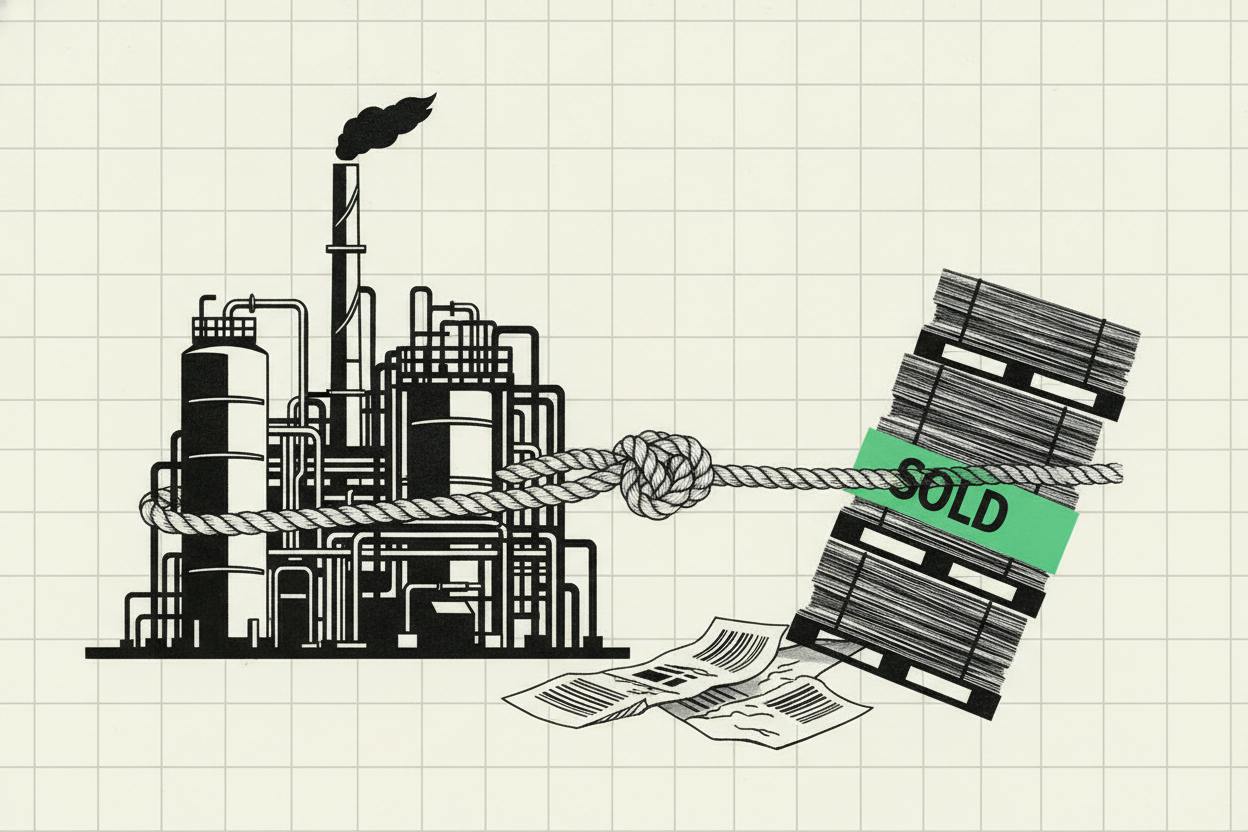
But the same report pointed to a less encouraging trend on the property level. Same-store net operating income (NOI)—a measure of a property's rental revenue minus its operating expenses—fell 2.7% year over year. The culprit: same-store expenses rose 4.2%, while same-store revenue growth was more muted. In other words, the cost of running the buildings—things like utilities, maintenance, and property taxes—is climbing faster than the rent checks coming in.
What are rent spreads and same-store NOI?
For everyday investors, these terms can sound like jargon, but they're central to understanding how apartment REITs like Centerspace perform. Rent spreads tell you how much more (or less) the company is charging on leases signed this quarter compared to the leases they replace. A positive spread means new rents are higher than old ones, which is generally a good sign for future revenue.
Same-store NOI, on the other hand, looks at properties that Centerspace has owned for at least a year, stripping out the effects of buying or selling buildings. It's a cleaner way to see whether the company's existing portfolio is becoming more or less profitable. When NOI falls, it means the gap between what the properties bring in and what they cost to operate is shrinking.
In this case, the 1.7% rent spread is a positive signal—it suggests demand for apartments in Centerspace's markets is holding up enough to push rents higher. But the 2.7% drop in same-store NOI shows that those rent increases aren't keeping pace with rising costs. That's a familiar challenge for many landlords right now, as inflation in wages, insurance, and maintenance eats into margins.
Why the market reacted
Investors tend to focus on same-store NOI because it's a direct measure of a REIT's ability to generate cash flow from its core operations. When that number declines, it can raise questions about whether the company can maintain its dividend or fund future growth. The 2% share price drop on Tuesday reflects that concern, even though the rent spread improvement was a bright spot.
Centerspace's situation is not unique. Many apartment REITs have been navigating a tricky environment: high interest rates have made financing more expensive, while new supply in some markets has kept rent growth in check. At the same time, operating costs have been sticky, putting pressure on margins. The company's results echo broader trends seen across the sector, where other firms have also faced headwinds when guidance or fundamentals disappoint.
For investors, the key takeaway is that rent growth alone doesn't guarantee profit growth. Even if Centerspace can keep raising rents, it needs to control costs to see that translate into higher NOI. The 4.2% rise in same-store expenses is a red flag that bears watching in coming quarters.
What it means for investors
For everyday investors, this news is a reminder that REITs are sensitive to the balance between revenue and costs. A REIT's dividend is ultimately supported by the cash flow its properties generate, so a decline in same-store NOI can signal potential pressure on distributions down the road.
That said, one quarter doesn't define a trend. The improvement in rent spreads suggests that leasing conditions are firming up, which could eventually translate into stronger revenue growth if cost pressures ease. Investors will likely watch Centerspace's next earnings report to see whether expense growth moderates and whether rent spreads continue to climb.
It's also worth noting that the broader market has been volatile, with global markets facing their own challenges. But for those focused on income-producing real estate, the fundamentals matter more than daily price swings.
As always, this is not a recommendation to buy or sell Centerspace stock. Instead, it's a look at what the numbers mean and why they matter. For a deeper dive into how other companies are navigating similar pressures, you can check out how Check Point's outlook cut affected its shares, or see how Ibstock's profit warning hit its stock. Each story underscores how sensitive markets are to changes in guidance and fundamentals.
In the coming months, all eyes will be on whether Centerspace can close the gap between rent growth and expense growth. If it can, the current dip might be a buying opportunity; if not, the pressure on shares could continue.