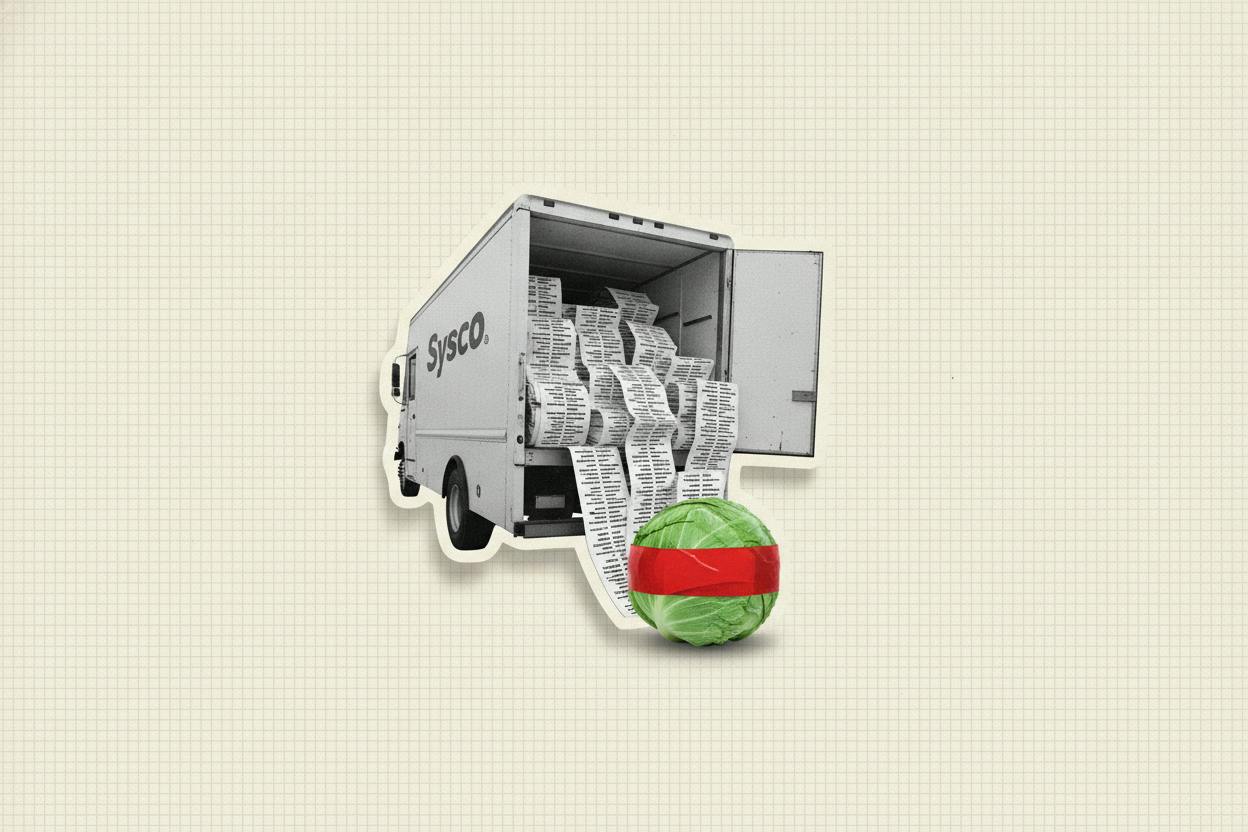
Sysco, the largest U.S. food distributor, said a cyclospora outbreak and its decision to pull Taylor Farms iceberg lettuce from Mexico slowed restaurant orders and helped push quarterly sales below expectations. The company now expects annual sales growth to land at the low end of its previously guided 6%-7% range.
What happened
Sysco halted distribution of the Taylor Farms lettuce after it was tied to a U.S. cyclospora outbreak. Cyclospora is a parasite that can cause intestinal illness, and foodborne scares often lead consumers to avoid affected products and restaurants to pull items from menus.
Management said restaurant traffic and order volumes softened in August, with CEO Kevin Hourican describing the disruption as a roughly six-week headwind. The company's quarterly sales came in below Wall Street expectations, reflecting the impact of the outbreak on demand for food served away from home.
Why Sysco matters
Sysco is often seen as a barometer for the broader "food away from home" market, which includes restaurants, cafeterias, and other foodservice operations. When Sysco's orders slow, it can signal that consumers are eating out less or that restaurants are trimming their purchases.
The outbreak is a reminder of how vulnerable food supply chains can be to contamination scares. A single product recall can ripple through distributors, restaurants, and ultimately consumer spending. Similar episodes have hit other food companies, such as Taco Bell's sales slide after a foodborne illness scare, though those businesses often recover once the issue is resolved.
What it means for investors
For investors, the key takeaway is that Sysco's short-term growth is being held back by an event that is likely temporary. The company still expects to grow sales this year, just at the lower end of its range. That suggests the underlying demand for foodservice remains intact, but the outbreak has created a bump in the road.
Investors should watch how quickly restaurant orders recover in the coming weeks. If the headwind fades as expected, Sysco could return to its normal growth trajectory. However, if consumer caution lingers, the company might need to revise its outlook further.
It's also worth noting that foodborne illness scares can have a lasting impact on consumer trust, even after the affected product is removed. Restaurants and distributors often have to work to win back customers, as seen in Taco Bell's sales rebound after an outbreak scare. That recovery is not always immediate.
Broader context
The news comes as the restaurant industry faces mixed signals. While some chains have reported strong sales, others have struggled with higher costs and cautious consumers. Sysco's update adds another data point to the picture of how Americans are spending on dining out.
For everyday investors, this story is a reminder that even large, diversified companies can be hit by unexpected operational disruptions. It also highlights the importance of looking beyond a single quarter's results and considering whether the issue is a one-off or a sign of deeper problems.
Sysco's management has framed the cyclospora impact as a temporary setback, and the company's full-year guidance still points to growth. But the lowered outlook means investors should temper expectations for the current fiscal year.
What to watch next
Investors will likely focus on Sysco's next earnings report to see if order volumes have bounced back. They'll also watch for any updates on the outbreak investigation and whether any legal or regulatory actions follow.
In the meantime, the episode underscores the importance of food safety in the supply chain. For companies like Sysco, a single contaminated product can have outsized effects on sales, even if the problem is quickly contained.
For those holding Sysco stock, the key question is whether the company can return to its 6%-7% growth trajectory once the headwind passes. The answer will depend on consumer confidence and restaurant demand in the months ahead.