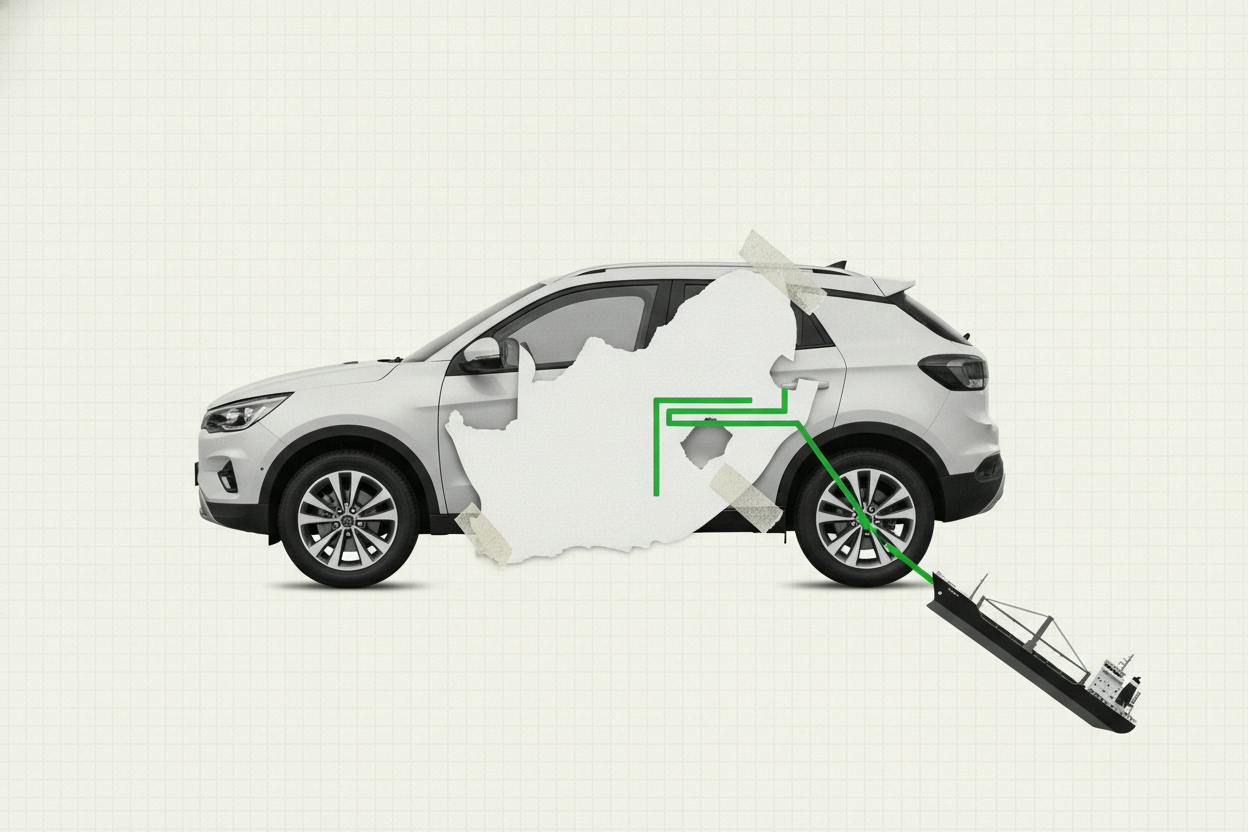
Chinese automaker Chery Group is bringing production of its Omoda SUV to South Africa, a move that could reshape its regional strategy and offer a hedge against currency swings. The company plans to assemble the Omoda C4 at its Rosslyn plant near Pretoria, with output expected to eventually reach 50,000 vehicles a year.
The Rosslyn factory was acquired from Nissan Motor earlier this year, giving Chery a ready-made manufacturing base in the country. According to Reuters, the initial production run will be modest—around 15,000 vehicles during the third and fourth quarters—but the long-term target is far more ambitious.
Why local assembly matters
For Chery, the shift to local production is about more than just expanding its footprint. By sourcing more components from South African suppliers, the company can cut shipping costs and reduce the risk that a weaker rand makes imported vehicles suddenly more expensive. This is a classic 'localization' strategy, and it's one that many global automakers have used to stabilize their operations in emerging markets.
The Omoda C4 will be offered in petrol, hybrid, and fully electric versions, giving Chery a broad lineup to appeal to different buyers. The hybrid and electric options are particularly notable, as they align with a global push toward cleaner vehicles and could help Chery tap into growing demand for electrified models in South Africa.
What it means for investors
For everyday investors, this news is a reminder that the auto industry is increasingly global and interconnected. Chery's decision to build cars in South Africa could have several implications:
- Cost savings: Local production typically reduces shipping and import duties, which can improve profit margins.
- Currency protection: By sourcing locally, Chery can reduce its exposure to rand volatility, which has been a recurring theme in South African markets.
- Job creation: The expansion could create jobs and boost the local economy, which might have positive spillover effects for other sectors.
However, investors should also consider the risks. Ramping up to 50,000 vehicles a year is a significant undertaking, and there's no guarantee that demand will keep pace. South Africa's auto market is competitive, and economic growth has been sluggish. The success of this venture will depend on Chery's ability to sell enough cars to justify the investment.
Broader context
Chery's move comes at a time when African markets are bracing for oil swings and other economic headwinds. The rand has been volatile, and inflation remains a concern. By producing locally, Chery can insulate itself from some of these pressures, but it also means betting on the long-term health of the South African economy.
For investors, the key takeaway is that Chery is making a strategic bet on South Africa as a manufacturing hub. If successful, it could become a template for other Chinese automakers looking to expand in Africa. But as with any major capital investment, there are no guarantees.
In the meantime, the Omoda C4's arrival in South Africa could shake up the local SUV market, offering buyers a new choice in the petrol, hybrid, and electric segments. Whether that translates into financial success for Chery remains to be seen, but the company is clearly committed to making it work.