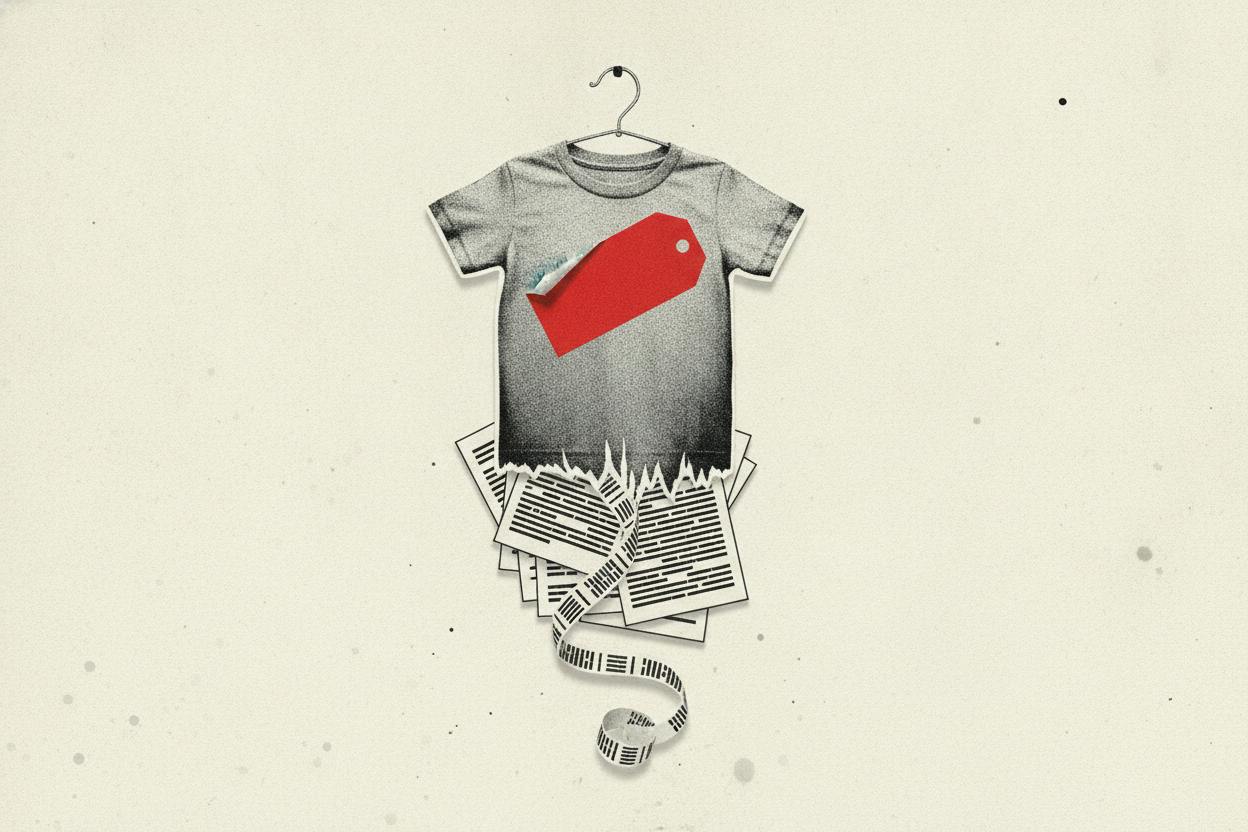
Children's Place, the kids' clothing retailer behind The Children's Place and Gymboree, has filed for Chapter 11 bankruptcy protection and begun liquidation sales as it searches for a buyer. The company, which has struggled with falling sales and mounting losses, said it received nine bids for parts or all of its business.
What happened
The retailer filed late Sunday in Newark, New Jersey, reporting $742.3 million in assets and $881.3 million in liabilities as of August 1. It also posted a $31 million loss over the prior three months. Management blamed heavy discounting across the retail industry, higher costs, and a cash squeeze for the company's troubles.
Sales fell 19% year-on-year, with same-store sales down 17%. Inventory liquidation sales began on November 6, meaning shoppers can expect deep discounts on children's clothing as the company clears out its stock.
Why this matters
Children's Place is a well-known name in kids' apparel, operating hundreds of stores and a significant online presence. Its bankruptcy is a reminder of the pressures facing traditional retailers, especially those that rely on physical stores and compete with online giants and discount chains.
The company's struggles are not unique. Many retailers have faced similar challenges as consumers shift spending and as inflation and higher interest rates squeeze household budgets. The retail sector has seen a wave of bankruptcies in recent years, with companies like Bed Bath & Beyond and Tuesday Morning also filing for Chapter 11.
For investors, the key question is whether Children's Place can find a buyer to keep the brand alive. The nine bids suggest there is some interest, but the outcome is uncertain. If no buyer emerges, the company could be forced to liquidate entirely, which would mean store closures and job losses.
What it means for investors
For everyday investors, the Children's Place bankruptcy is a cautionary tale about the risks of investing in retail stocks. Even well-known brands can struggle when sales decline and costs rise. The company's stock has likely been volatile, and shareholders may see little or no recovery in a bankruptcy process.
Investors should also watch the broader retail sector. The heavy discounting that Children's Place blamed for its troubles is a sign of intense competition, which can pressure margins across the industry. Companies that can't keep up with changing consumer habits or manage costs effectively may face similar challenges.
For those who shop at Children's Place, the liquidation sales could offer bargains, but it's worth noting that gift cards and returns may be affected by the bankruptcy process. It's always wise to check the latest updates from the company or the court.
What's next
The bankruptcy process will determine the future of Children's Place. The company will likely try to sell its assets to one of the bidders, which could include competitors, private equity firms, or liquidators. If a sale is completed, some stores may remain open under new ownership, but others could close.
Investors and customers alike will be watching to see how the process unfolds. The outcome will have implications for the company's employees, its landlords, and the broader retail landscape.
In the meantime, the liquidation sales are a clear sign that the company is winding down its operations. For those interested in the retail sector, this case highlights the importance of monitoring financial health and adapting to market changes.
As the retail industry continues to evolve, stories like this one serve as a reminder that even established brands are not immune to disruption. For investors, staying informed and diversifying across sectors can help manage risk.