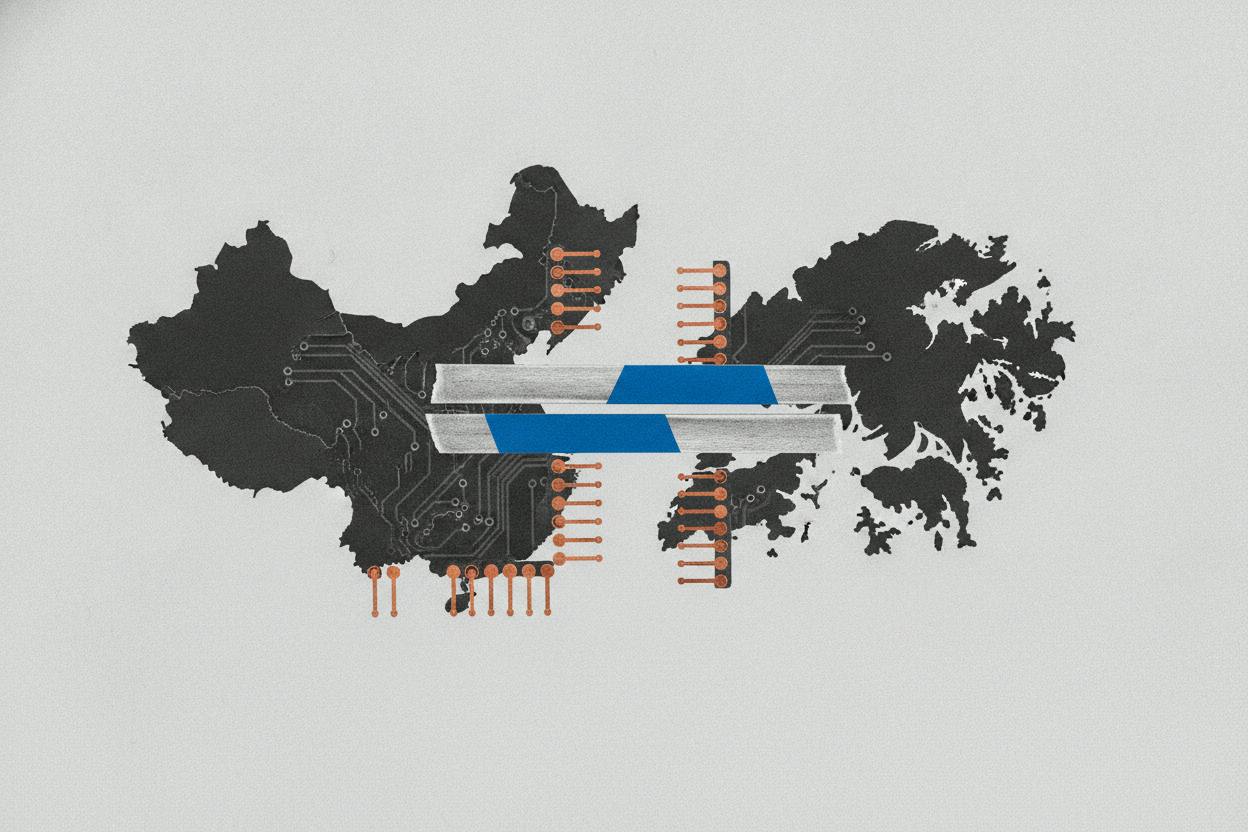
China and Hong Kong stocks edged higher on Tuesday, with artificial intelligence-related shares leading the advance, after US and Chinese officials agreed to continue talks on AI safety. The modest gains came as investors also looked ahead to Chinese President Xi Jinping's visit to the United States from September 23rd to 25th.
By the midday break, the Shanghai Composite was up 0.2%, while the CSI 300, which tracks the largest listed companies on the mainland, gained 0.5%. The STAR 50, a tech-heavy index on Shanghai's STAR Market, climbed 1.3%, and a local AI sub-index jumped 2.3%, underscoring the market's focus on the sector.
What's driving the optimism?
The immediate catalyst was news that US Treasury Secretary Scott Bessent said senior teams from both countries will meet again in about two months in Shenzhen. The discussions will focus on AI risks and how the two sides would communicate if a serious AI incident occurs. While this is a small, procedural step, it represents a concrete effort to avoid misunderstandings between the world's two largest economies on a technology that is rapidly reshaping industries.
For investors, the resumption of dialogue is a positive signal. It suggests that despite broader tensions on trade, technology, and geopolitics, Washington and Beijing are willing to maintain a channel of communication on issues of mutual concern. AI safety is one area where both sides have an interest in cooperation, as the risks of advanced AI systems are global in nature.
The gains were broad but uneven, with tech and AI names outperforming while other sectors lagged. This pattern reflects the market's view that the AI theme remains the most compelling growth story in the region, even as the overall economic recovery in China has been uneven.
Why AI shares are leading
AI has been a dominant theme in global markets this year, and Chinese tech companies are no exception. From chipmakers to software developers, firms that are seen as beneficiaries of the AI boom have attracted significant investor interest. The STAR 50, which includes many of China's cutting-edge tech companies, has been a particular focus for those looking to gain exposure to the sector.
The jump in the AI sub-index on Tuesday suggests that investors are betting on continued momentum in the sector, especially if US-China cooperation on AI safety reduces the risk of sudden regulatory crackdowns or export controls. However, it's worth noting that AI stocks can be volatile, and valuations in some areas have become stretched.
What it means for investors
For everyday investors, the key takeaway is that US-China relations remain a critical factor for Asian markets. Any sign of progress in talks, even on a narrow issue like AI safety, can lift sentiment. Conversely, a breakdown in communication could weigh on stocks, particularly in the tech sector.
The upcoming visit by President Xi to the US is another event to watch. While the visit is not solely focused on economic issues, it could provide a platform for broader discussions on trade and investment. Investors will be looking for any signals that could affect tariffs, market access, or the treatment of Chinese companies in the US.
It's also important to remember that the gains on Tuesday were modest. The Shanghai Composite's 0.2% rise is hardly a rally, and the broader market remains cautious. Economic data from China has been mixed, and the property sector continues to face challenges. As such, investors should not overinterpret a single day's move.
For those with exposure to Chinese equities, the AI theme offers both opportunity and risk. Companies in this space could benefit from policy support and technological breakthroughs, but they are also sensitive to regulatory changes and geopolitical tensions. As always, diversification and a long-term perspective are key.
In the coming weeks, the focus will likely remain on the US-China dialogue and any developments ahead of the September visit. A successful meeting could provide a further boost to sentiment, while any hiccups could quickly reverse the gains.