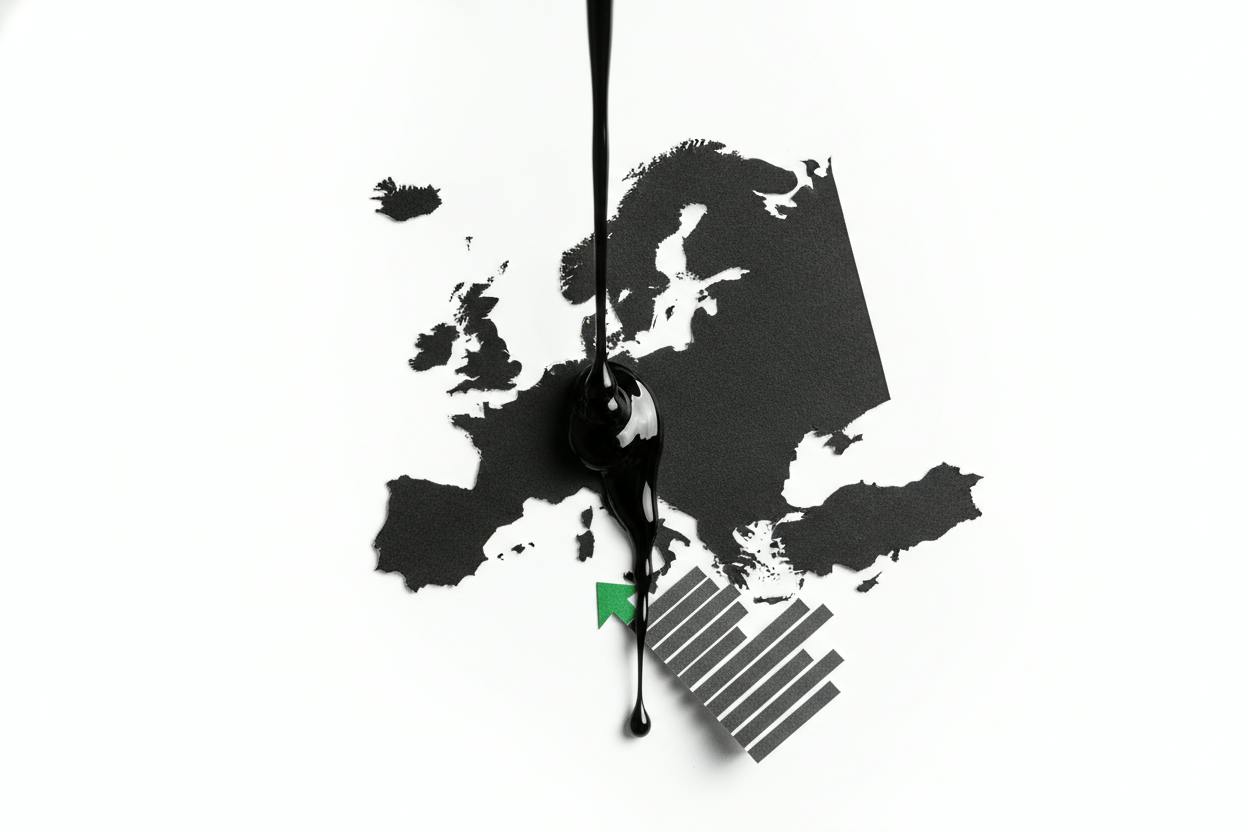
European stocks edged higher on [day], as a fresh drop in oil prices helped lift sentiment ahead of a key reading on the eurozone economy. The region-wide STOXX 600 index rose 0.4%, with defense stocks leading the advance, while seed company KWS slid after reporting weak sales.
Investors were looking to S&P Global's flash September purchasing managers' index (PMI) for the eurozone, due later in the day. The PMI is a closely watched gauge of business activity across the bloc's manufacturing and services sectors. A reading above 50 signals expansion, while below 50 points to contraction. The flash estimate gives an early look at how the economy is faring in the current quarter.
Oil's slide and its ripple effects
The latest leg down in crude came after Saudi Arabia restarted operations at a key pipeline, easing worries about near-term supply. Oil prices have been under pressure in recent sessions, and the decline is being felt across global markets. As oil slides for a sixth day in India, European investors are also watching the commodity's moves closely.
Cheaper energy can cool headline inflation quickly, and markets tend to translate that into a slightly less restrictive path for European Central Bank interest rates. Lower oil prices reduce costs for businesses and consumers, which can help ease price pressures that have been running above the ECB's 2% target. That, in turn, could give the central bank more room to consider cutting rates sooner rather than later.
The oil price decline is also a factor in other markets. In the US, stocks have been split as oil whipsaws on Strait of Hormuz signals, while Hong Kong stocks were flat as oil dipped below $90. The global nature of the oil move underscores its importance to investors everywhere.
Defense stocks lead, KWS lags
Defense stocks were the standout gainers in Europe, continuing a trend that has seen the sector perform well amid geopolitical tensions and increased military spending by European governments. Companies in the sector have benefited from a wave of orders as nations look to bolster their defenses.
On the other end of the spectrum, KWS, a German seed producer, saw its shares slide after reporting weak sales. The company's results disappointed investors, highlighting the challenges facing agricultural firms amid volatile crop prices and weather-related disruptions.
What it means for investors
For everyday investors, the combination of falling oil prices and a stable-to-higher stock market is generally a positive sign. Cheaper energy can boost consumer spending power and improve corporate profit margins, especially for companies that rely heavily on fuel or transportation.
However, the PMI data will be crucial in determining whether the eurozone economy is gaining or losing momentum. A weak reading could reignite concerns about a recession, while a strong one might suggest the bloc is weathering the slowdown better than feared.
Investors should also keep an eye on the ECB's next moves. If inflation continues to ease, the central bank may feel more comfortable cutting interest rates, which could support stock valuations. But if the economy weakens sharply, rate cuts might not be enough to offset the drag on corporate earnings.
As always, it's important to remember that markets can be volatile, and short-term moves don't always reflect long-term trends. Diversification and a focus on your own financial goals remain key principles for any investor.