China's month-long 618 shopping festival, typically a bonanza for smartphone buyers, failed to deliver its usual sales surge this year. According to Counterpoint Research, handset sales from May 26th to June 21st dropped 13% compared to the same period last year. The culprit? Stingier discounts, as rising memory chip costs squeezed the profit margins of phone makers.
Why Discounts Shrank
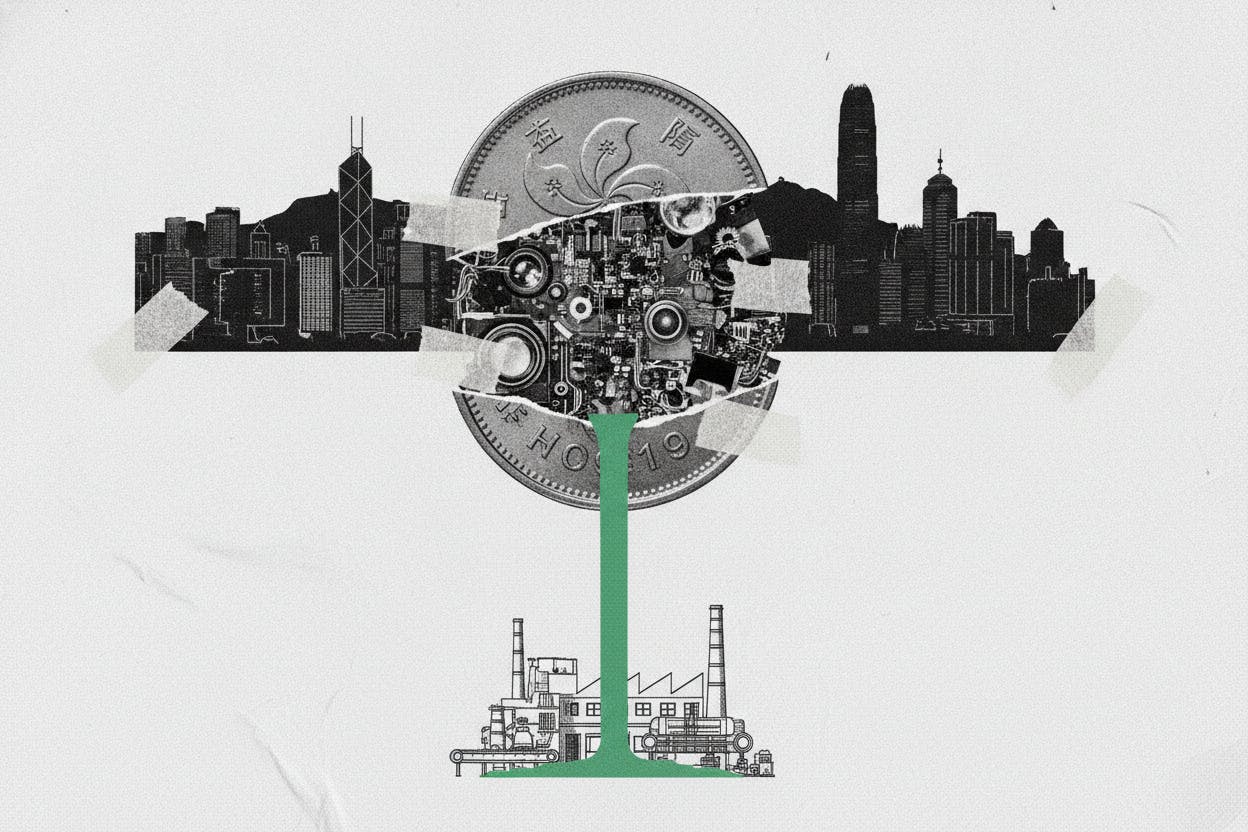
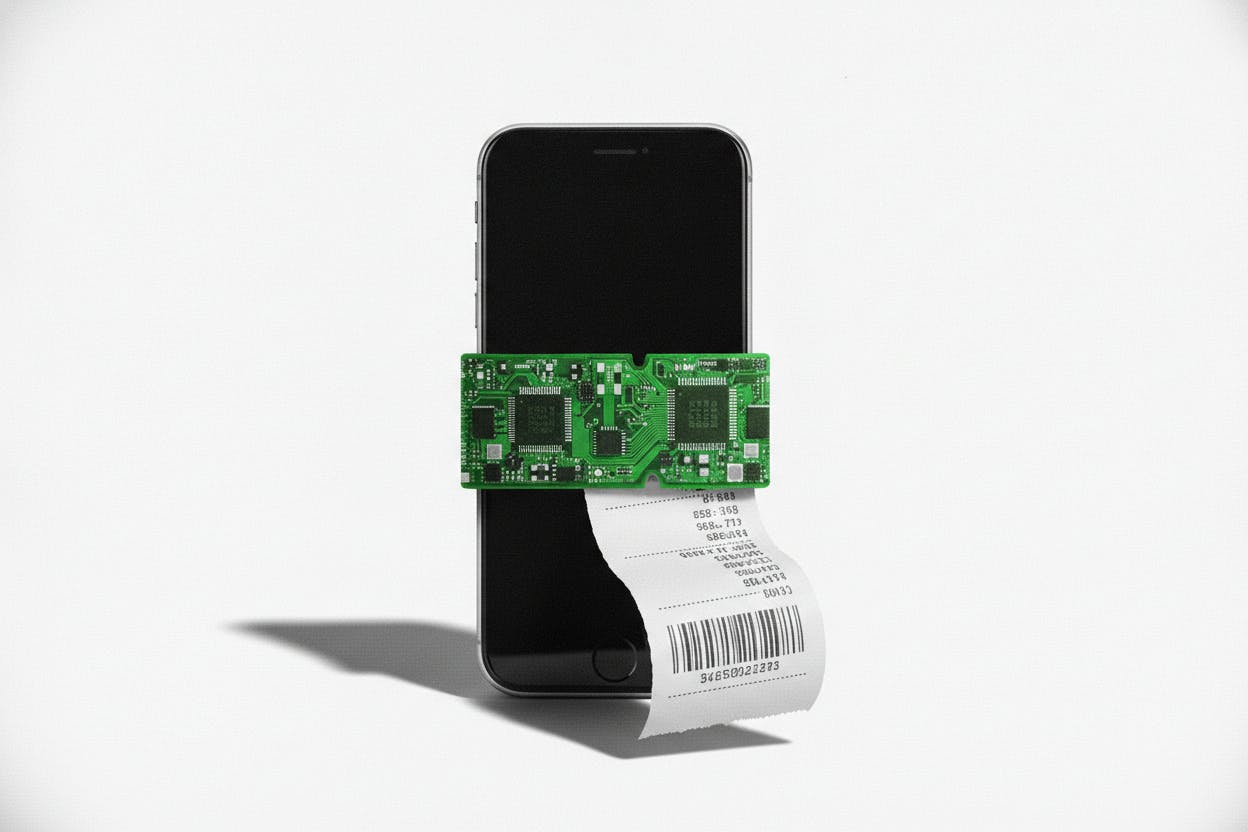
The 618 festival, named after its June 18th peak, is one of China's biggest retail events, often featuring aggressive price cuts on electronics. But this year, brands like Apple, Xiaomi, and Oppo had less incentive to slash prices. Counterpoint points to higher memory component costs—a key input for smartphones—as the main reason. Memory prices have been climbing due to strong demand from the artificial intelligence (AI) sector, which uses the same type of chips. As Samsung expects a 19-fold profit surge driven by AI demand, the ripple effect is hitting consumer electronics.
With less room to offer deep discounts, brands chose to protect their margins rather than chase volume. The result: consumers, accustomed to hefty markdowns during 618, held back on purchases.
What This Means for Investors
For everyday investors, the 618 sales data is a window into the health of China's consumer electronics market and the broader economy. A 13% drop in sales suggests that even a major shopping event can't fully offset headwinds like rising input costs and cautious consumer spending. This is particularly relevant given that China's growth slowed to 4.6% recently, indicating a softer economic backdrop.
Investors in smartphone makers and their suppliers should watch for similar trends in upcoming quarters. If memory costs remain elevated, brands may continue to limit discounts, potentially hurting sales volumes. On the flip side, companies that can pass on higher costs to consumers without losing market share could fare better.
The data also highlights the growing influence of the AI boom on everyday products. While AI demand is boosting profits for chipmakers like Samsung, it's also raising costs for consumer goods, creating a tug-of-war between different parts of the tech supply chain.
Broader Market Context
The 618 sales slump comes amid a mixed picture for Chinese markets. On one hand, yuan strength and bond yields are luring foreign investors back, signaling some confidence in Chinese assets. On the other hand, consumer spending remains uneven, as seen in the phone sales data.
For investors, the key takeaway is that the smartphone market—a bellwether for consumer tech demand—is facing a period of adjustment. Higher component costs are squeezing margins, and it's unclear how long this will last. If memory prices stabilize or fall, brands could regain pricing flexibility, potentially boosting sales in future shopping festivals.
Meanwhile, the broader tech sector is showing divergent trends. While chip stocks have powered the Nasdaq higher, as seen in recent market moves, consumer-facing tech companies may face more headwinds.
Looking Ahead
Investors should keep an eye on upcoming earnings reports from major smartphone brands and memory chip suppliers. These will provide clearer signals on whether the 618 slump is a one-off or part of a longer trend. Also, watch for any changes in memory chip pricing, as that will directly impact the discounting strategies of phone makers.
For now, the 618 data serves as a reminder that even the biggest shopping events can't always overcome the forces of rising costs and cautious consumers. It's a story of how global supply chains and local demand interact, with real implications for portfolios.