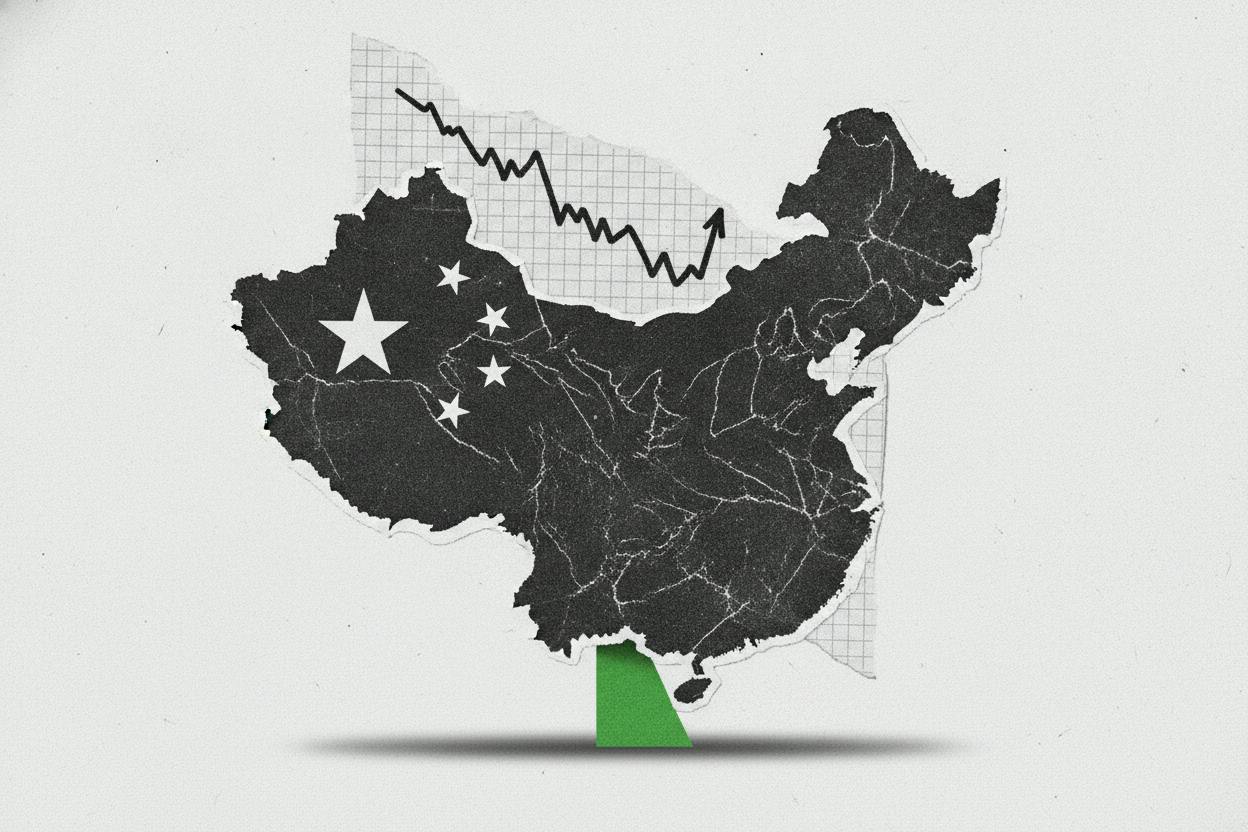
Chinese equities found some footing on Friday, snapping a slide that had pushed major indexes to 14-month lows. The rebound came as a cluster of artificial-intelligence supply-chain companies announced share buybacks and issued upbeat profit forecasts, giving investors a reason to step back in after a brutal week.
The CSI300 and the Shanghai Composite both rose on the day, though the CSI300 remained on track for its worst weekly performance since July. The bounce looked more like a tactical reprieve than a signal that the broader economic picture has turned, analysts said.
What happened
The selling pressure had built through the week, with China's benchmark indexes sliding to levels not seen in over a year. The trigger for Friday's turnaround came from the corporate side: at least ten Chinese companies tied to the AI supply chain announced plans to buy back shares or for major shareholders to increase their stakes.
Among the names were Eoptolink, a maker of optical transceivers used in data centers, and Piotech, a chip-equipment supplier. These announcements are a common tool in China's markets, where companies often use buybacks to signal confidence in their own stock after sharp declines.
The timing was notable. Thursday had seen a global pullback in AI-related shares, with chip stocks losing heavily as investors reassessed valuations. That selloff spilled into Chinese markets, but the buyback wave helped put a floor under prices.
Why it matters
For everyday investors, the key takeaway is that this rebound is likely more about market mechanics than a fundamental shift. Buybacks and profit forecasts can provide short-term support, especially after a sharp drop, but they don't change the underlying challenges facing China's economy.
China's growth has been uneven, with property sector weakness and cautious consumer spending weighing on sentiment. The AI sector, however, has been a rare bright spot, with companies like Eoptolink and Piotech benefiting from global demand for chips and data-center equipment.
The broader context is also important. This week's slide in Chinese stocks came alongside a global wobble in tech shares, driven partly by concerns about debt levels tied to AI investments. That nervousness has made investors more selective, even in a sector that has been a favorite.
What it means for investors
For those holding Chinese equities or funds with exposure to the region, the buyback announcements are a reminder that companies themselves can act as a stabilizer when sentiment turns sour. But it's worth keeping perspective: a single day of gains doesn't erase a week of losses, and the CSI300 is still down sharply from recent highs.
Investors should also watch whether the buyback momentum spreads beyond the AI niche. If more companies across sectors step up with similar moves, that could signal a broader willingness to defend share prices. If not, the rebound may prove short-lived.
The global backdrop remains a wildcard. Markets elsewhere have been reacting to inflation data and interest-rate expectations, and a shift in risk appetite can quickly spill into emerging markets like China.
For now, the message from Chinese AI firms is clear: they see value in their own shares at these levels. Whether that view is shared by the wider market will depend on the next round of earnings and economic data.