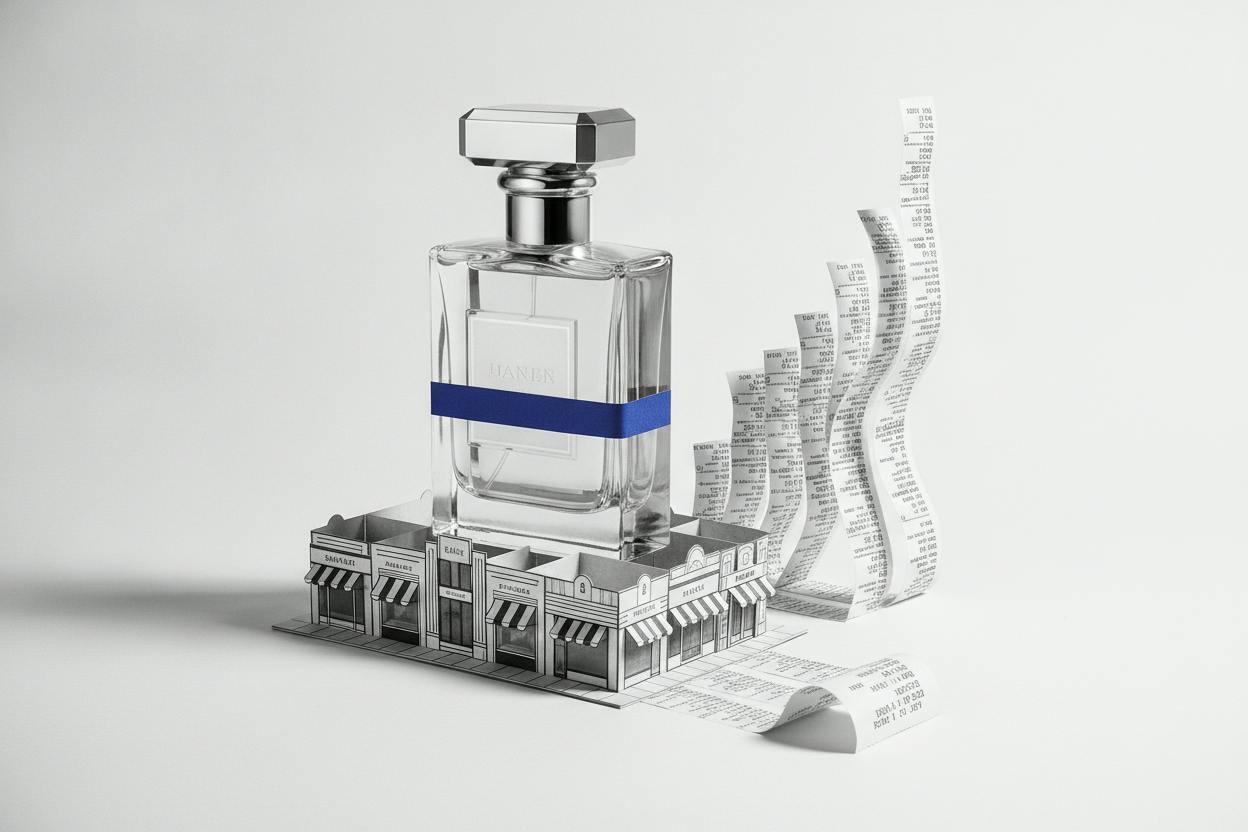
Luxury fashion house Dolce & Gabbana is gearing up for the most ambitious expansion of its beauty business since bringing the division in-house. The company's beauty unit, which crossed €1 billion in wholesale revenue last year, now plans to open between 50 and 70 standalone boutiques worldwide over the next three years.
The move signals a strategic shift for the Italian brand, which historically relied on licensing partners to manage its fragrances and cosmetics. By taking control of beauty operations in 2022, Dolce & Gabbana has been able to scale the business quickly, and the new retail push is the clearest sign yet of its ambitions.
From licensing to in-house control
For decades, many luxury houses outsourced beauty production and distribution to specialist companies, allowing them to focus on fashion while earning royalties. Dolce & Gabbana followed that model until 2022, when it decided to bring beauty in-house, a move that gave it direct control over product development, branding, and retail strategy.
According to Gianluca Toniolo, CEO of Dolce & Gabbana Beauty, wholesale revenue rose 14% last year to surpass €1 billion. That growth has encouraged the company to push further into direct retail, where margins can be higher and customer relationships are more direct.
The expansion plan is not just about opening stores. The company intends to broaden its product range beyond fragrances, which have traditionally been the backbone of luxury beauty lines. Plans include widening makeup distribution and launching a full skincare range, positioning the brand to compete more directly with established beauty conglomerates.
What the boutique push means
Standalone beauty boutiques are a relatively new concept for many fashion houses, which typically sell beauty products through department stores, perfumeries, and their own fashion stores. By opening dedicated beauty shops, Dolce & Gabbana can create a more immersive brand experience and showcase a wider range of products than a typical counter allows.
The target of 50-70 stores over three years is a significant commitment, though it remains modest compared with the thousands of points of sale that global beauty brands operate. The company has said it will continue to rely on wholesale partners, suggesting the boutiques are meant to complement, not replace, existing distribution channels.
For investors, the move reflects a broader trend in the luxury sector: brands are increasingly seeking to capture more value from their beauty divisions. Licensing deals often yield steady but limited returns, while in-house operations can generate higher margins if executed well. However, they also require substantial investment in manufacturing, marketing, and retail infrastructure.
What it means for investors
Dolce & Gabbana is privately held, so its shares are not available to everyday investors. But the company's strategy offers insights into the wider luxury and beauty markets, which are closely watched by investors in listed competitors such as LVMH, Estée Lauder, and L'Oréal.
The success of Dolce & Gabbana's beauty push could signal that luxury consumers are willing to buy beauty products from fashion houses directly, a trend that might benefit other brands considering similar moves. Conversely, if the boutique expansion struggles, it could serve as a cautionary tale about the costs and risks of vertical integration.
Beauty has become a key growth driver for luxury groups, offering more frequent purchases and a broader customer base than high-priced fashion items. As global economic uncertainty persists, beauty products—especially fragrances and skincare—tend to be more resilient than discretionary luxury goods, providing a stable revenue stream.
Investors should also note that the beauty industry is highly competitive, with established players like L'Oréal and Estée Lauder dominating shelves. New entrants must invest heavily in marketing and retail to gain traction, and not all succeed. Dolce & Gabbana's strong brand recognition gives it an advantage, but execution will be critical.
The company's focus on wholesale even as it opens its own stores suggests a cautious approach, balancing direct control with the reach of established retail partners. That dual strategy could help mitigate risks while building brand presence.
For now, the beauty unit's growth is a positive sign for the company's overall health, and the planned boutiques will be a test of whether a fashion house can translate its aesthetic into a standalone beauty retail experience. Investors in the broader luxury sector will be watching closely.