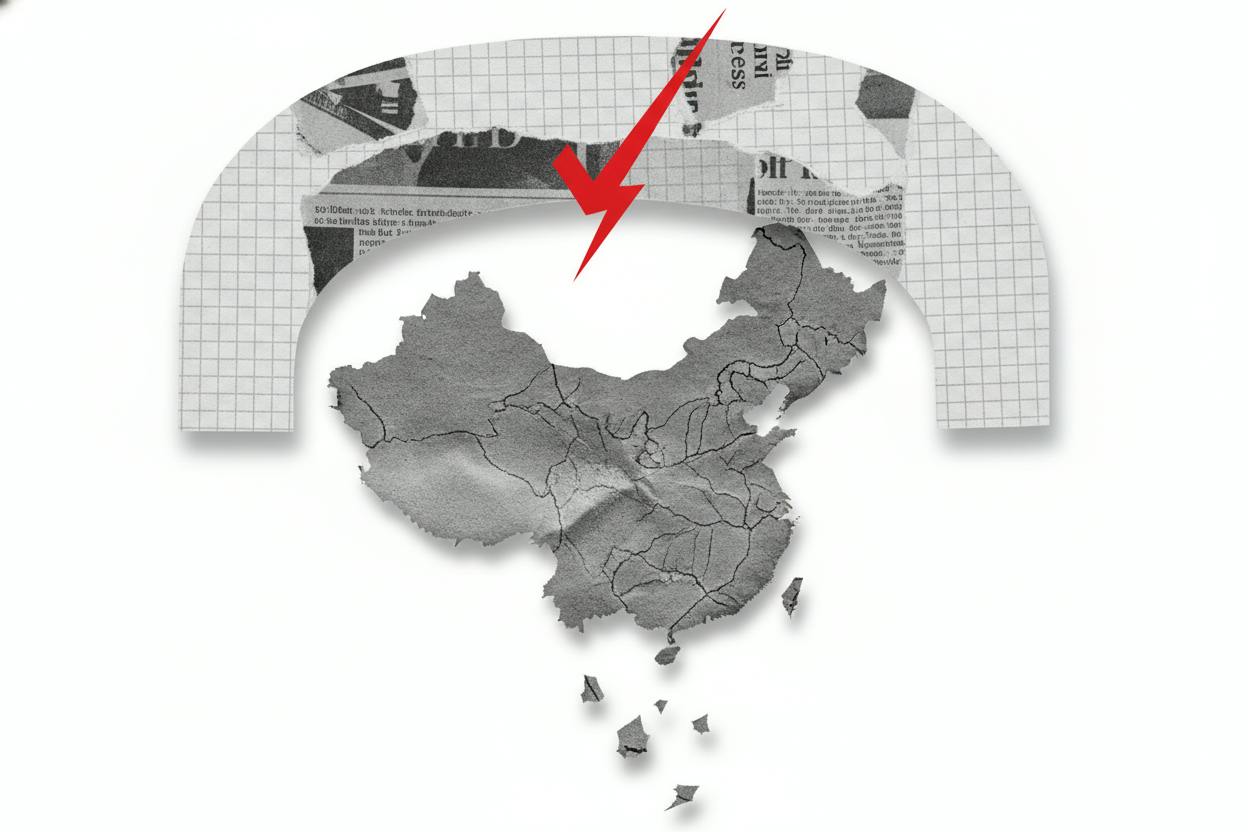
China's main stock benchmark fell again on Friday, as a global wave of risk aversion that started on Wall Street spread into Asian markets. The CSI 300, which tracks the largest companies listed in Shanghai and Shenzhen, was down 1.1% in early trading, adding to a decline that has now pushed it more than 20% below its most recent closing peak on June 22.
The drop was sharper on the mainland than in Hong Kong. The Shanghai Composite fell 0.9% early, while Hong Kong's Hang Seng was little changed. That split is a sign that the selling is being driven more by global portfolio flows than by any new bad news inside China itself.
What's behind the selloff?
Analysts at United Overseas Bank, a Singapore-based lender, point to three converging forces. First, a deeper slide in US technology shares, especially those tied to artificial intelligence, has rattled investor confidence worldwide. Second, rising tensions in the Middle East after attacks on Saudi Aramco's infrastructure have added a geopolitical risk premium. Third, fresh stress in French government bond markets has raised concerns about European stability.
Together, these shocks can push global investors to reduce risk quickly, even if nothing new has happened inside China. That matters because markets that are already falling often absorb more of the forced selling, as portfolio managers cut positions that models label as higher risk and that have been moving against them.
The CSI 300's 20% drop from its June 22 peak is a threshold many investors use to describe a bear market. Crossing that line can make the index the first thing cut when risk budgets tighten.
How risk budgets work
Big institutions often run with what are called “risk budgets” — internal limits that tie position sizes to market volatility. When volatility jumps, many strategies have to shrink exposure mechanically, and they usually start with holdings that are both high-beta (they tend to swing more than the broader market) and already in drawdown.
That setup can concentrate selling in onshore China benchmarks like the CSI 300 and Shanghai Composite, even if the original trigger was overseas. It also helps explain why you can get a split screen where Hong Kong's Hang Seng holds steadier while mainland indexes act as the pressure valve during a global de-risking wave.
What it means for investors
For everyday investors, the key takeaway is that China's stock market is not moving in isolation. Global events — from US tech earnings to Middle East conflicts to European bond markets — can have a direct impact on your portfolio, even if you only own funds that track Chinese indexes.
The current selloff is a reminder that diversification across regions and asset classes can help cushion the blow when one market gets caught in a global downdraft. It also highlights the importance of understanding that “risk-off” days can be amplified in markets that are already in a downtrend.
Investors should watch whether the CSI 300 can find support near current levels, and whether the global triggers — US tech, Middle East tensions, and European bond stress — begin to ease. Until then, volatility is likely to remain elevated.
For more on how the AI trade is affecting markets globally, see our coverage of KOSPI sliding as the AI trade cools and Tokyo chip stocks hit by the US tech selloff. Also relevant is how AI spending worries are pushing Treasury yields lower.



