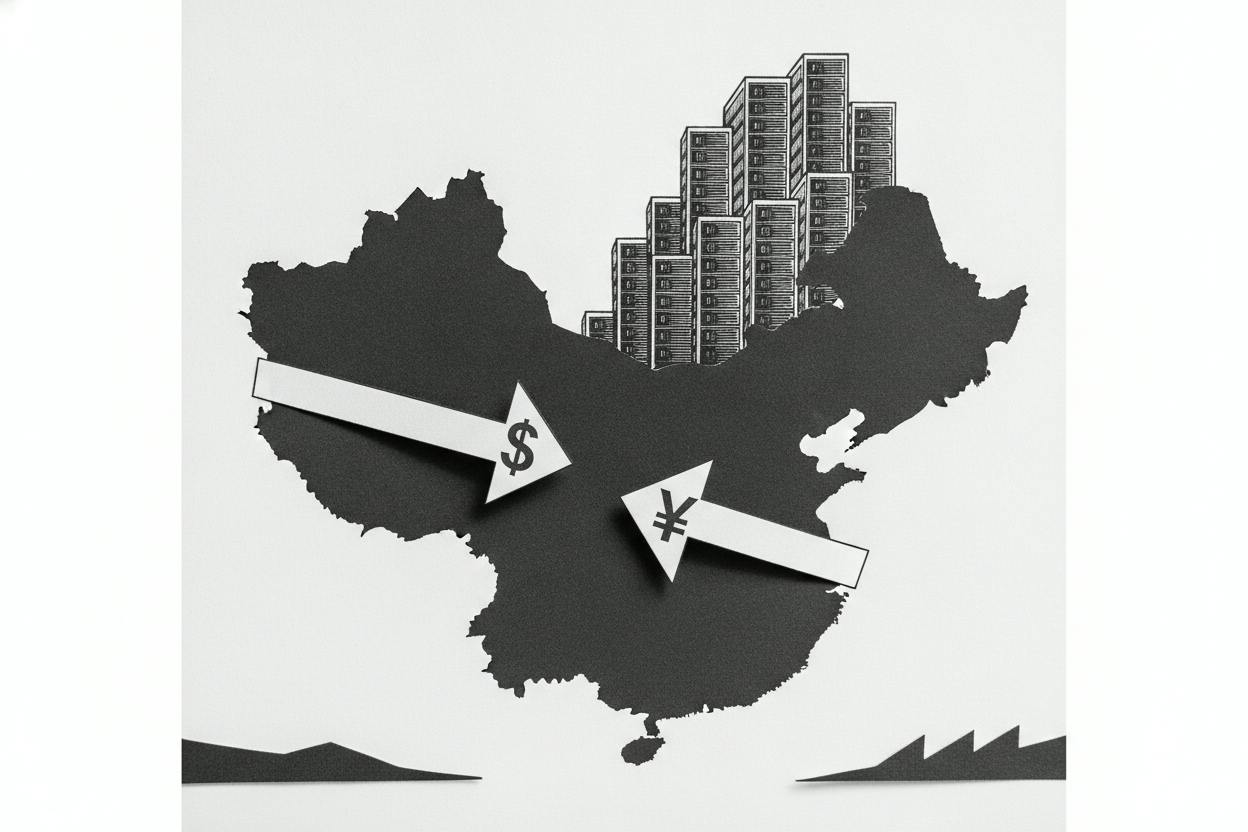
China's factory sector is showing signs of cooling, even as the country's artificial intelligence hardware boom continues to deliver outsized gains for electronics makers. According to data from the National Bureau of Statistics, industrial profits rose 4.2% in August compared with the same month a year earlier, a sharp slowdown from the 11.2% growth recorded in July.
The slowdown was attributed to soft domestic demand and excess capacity in parts of industry, which makes it harder for companies to raise prices even when output remains high. The data, reported by Reuters, underscores the uneven nature of China's economic recovery, where some sectors are thriving while others struggle to maintain momentum.
AI hardware: the standout performer
While the overall factory profit picture cooled, one segment stood out: computer, communication, and other electronic equipment manufacturing. Profits in this category jumped 110% over the first eight months of the year, according to the same data. This surge is largely tied to the global demand for AI hardware, including semiconductors, servers, and related components.
China has been aggressively positioning itself in the AI supply chain, with both state-backed funds and private companies investing heavily in chip design and manufacturing. The country's push to build domestic AI capabilities has also been supported by local governments offering subsidies to attract AI-related businesses, as seen in cities offering incentives for AI video studios. Additionally, major financial institutions like China Life have committed to backing a $6 billion AI and chip fund, signaling long-term strategic interest in the sector.
The strength in AI hardware is also reflected in trade data. Hong Kong's imports of AI-related equipment helped push its August trade deficit to HK$71.2 billion, highlighting the region's role as a conduit for AI technology flows. This trend is part of a broader global shift toward AI infrastructure, which has been a bright spot in an otherwise sluggish manufacturing environment.
What's behind the slowdown?
The cooling in overall factory profits is not entirely surprising. China's economy has been grappling with a property market downturn, weak consumer confidence, and global trade uncertainties. Domestic demand remains soft, and many manufacturers are operating with excess capacity, which puts downward pressure on prices and margins.
This dynamic is similar to what economists often describe as a "profit squeeze": even if production volumes are stable, companies find it difficult to pass on costs or improve profitability when demand is weak. The result is slower profit growth, which can weigh on business investment and hiring.
For investors, the divergence between the AI hardware sector and the rest of manufacturing is a key takeaway. While the overall industrial profit data may signal a broader economic slowdown, the electronics segment's 110% profit surge suggests that companies tied to AI infrastructure are benefiting from a powerful secular trend.
What it means for investors
For everyday investors, this data offers a mixed picture. On one hand, the cooling in factory profits could be a warning sign for China's broader economy, which may affect companies with significant exposure to Chinese manufacturing. On the other hand, the AI hardware boom highlights where growth is concentrated.
Investors should note that the profit surge in electronics manufacturing is not uniform across all companies. It is heavily skewed toward those involved in AI-related components, such as advanced chips, memory, and networking equipment. Companies in this space, both in China and globally, have seen their fortunes rise as tech giants and cloud providers ramp up spending on AI infrastructure.
However, the broader factory profit slowdown also underscores the risks of investing in sectors that depend on Chinese domestic demand. The property market's struggles and weak consumer spending continue to weigh on industries like construction materials, appliances, and autos.
For those looking at China-related investments, the key is to differentiate between sectors. The AI hardware supply chain is likely to remain a growth area, but other parts of the manufacturing economy may face continued headwinds. As always, diversification and a focus on companies with strong competitive positions are prudent strategies.
The data also comes amid ongoing trade tensions between the US and China. While a recent summit ended with a trade truce extension, few breakthroughs were achieved, leaving uncertainty in the air. This backdrop could influence future factory profit trends, as tariffs and export controls affect various industries.
In the near term, investors will be watching for further signs of whether the AI hardware boom can sustain its momentum, and whether the broader factory sector can stabilize. The August data suggests that while the AI story is compelling, the rest of China's industrial engine is losing steam.