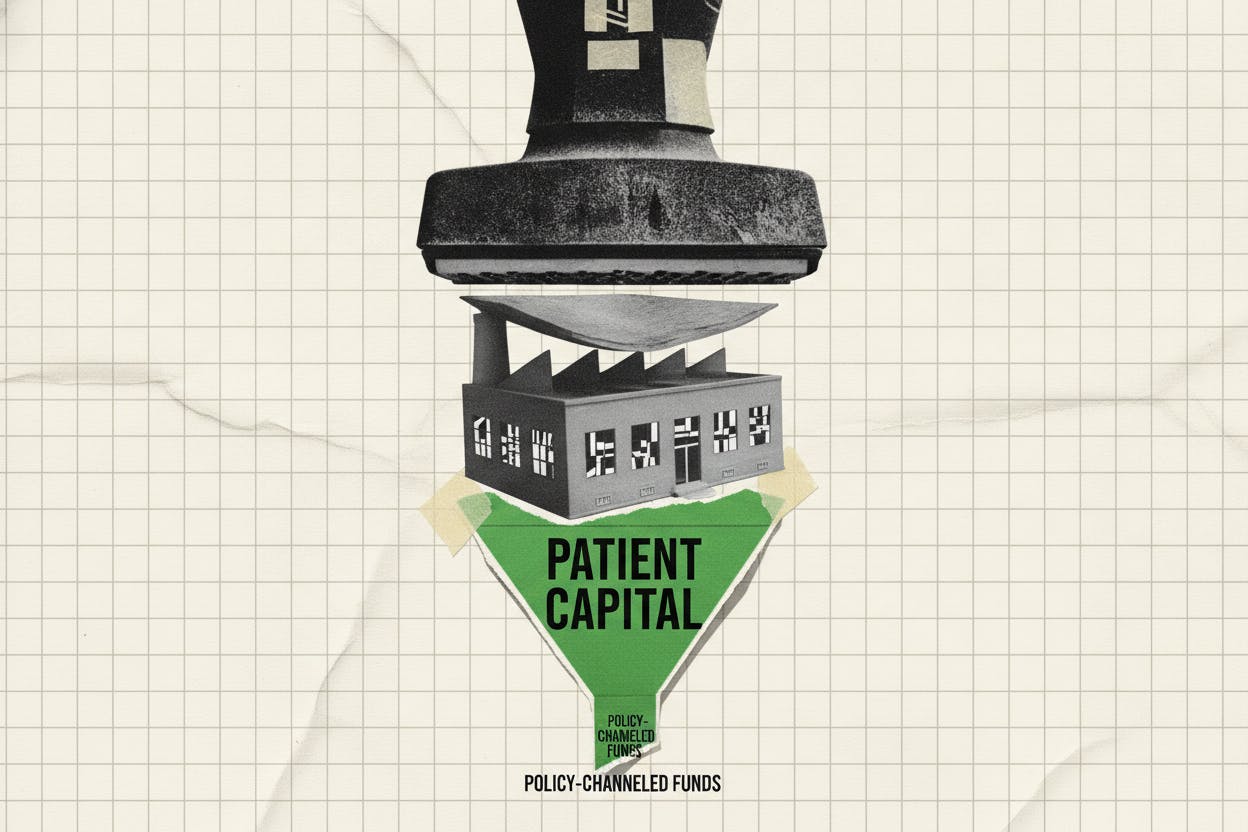
China has unveiled a new five-year plan aimed at supercharging its "little giants" — a select group of small and medium-sized enterprises (SMEs) that Beijing sees as key to future growth. The plan, issued jointly by 10 central government agencies, promises more lending, access to "patient capital," and entry into national science and technology programs, with targets running through 2030.
What are 'little giants'?
The term "little giants" refers to small and medium-sized companies that have carved out a niche in strategic industries, often in manufacturing, advanced technology, or specialized components. These firms are typically highly innovative, hold strong intellectual property, and are considered vital links in China's supply chains. Beijing has been cultivating this group for years, seeing them as a way to boost domestic innovation and reduce reliance on foreign technology.
The new plan is a clear signal that China wants to accelerate this effort. By directing more credit and long-term funding toward these firms, the government hopes to help them scale up, invest in research and development, and compete more effectively both at home and abroad.
What does the plan include?
The plan, which comes from a broad coalition of agencies including economic planners, financial regulators, and science and technology bodies, tells local officials to step up support for SMEs, especially those in strategic sectors. Key measures include:
- More lending: Banks and other financial institutions are expected to increase credit availability for eligible SMEs, potentially easing one of the biggest hurdles small firms face.
- Patient capital: The plan encourages longer-term investment, such as venture capital or private equity, that doesn't demand quick returns. This is crucial for companies developing complex technologies that take years to commercialize.
- Access to national programs: Little giants will be able to tap into government-funded science and technology initiatives, giving them resources and expertise that were previously reserved for larger state-backed entities.
The targets run through 2030, suggesting this is a long-term strategic push rather than a short-term stimulus.
Why does this matter?
SMEs are the backbone of China's economy, accounting for a large share of output and employment. But they often struggle to get financing, especially in times of economic uncertainty. By focusing on these firms, Beijing is trying to boost productivity and innovation at the grassroots level, which could help offset slower growth in other parts of the economy.
For investors, the plan is a reminder that China's policy priorities are shifting. The government is increasingly looking to nurture homegrown champions in technology and advanced manufacturing, rather than relying solely on real estate or infrastructure spending. This could create opportunities in sectors like semiconductors, new energy, and high-end equipment, where little giants are concentrated.
What it means for investors
For everyday investors, the plan is unlikely to have an immediate, direct impact on portfolios. But it's worth watching for a few reasons:
- Sector focus: Companies that qualify as little giants may see improved access to capital, which could help them grow faster. This could be positive for stocks in those sectors, though it's important to remember that not all SMEs will benefit equally.
- Policy tailwinds: Government support can be a powerful driver for certain industries. If you hold funds or ETFs that track Chinese small-cap or tech stocks, this plan could be a supportive factor over the medium term.
- Global implications: As China's little giants become more competitive, they could disrupt global supply chains. That might affect companies in other countries that compete with them, as well as those that rely on Chinese suppliers.
It's also worth noting that China's broader economic picture remains mixed. While the government is pushing for innovation-led growth, the property sector is still struggling, and consumer confidence has been uneven. The plan is part of a larger effort to rebalance the economy, but it won't solve all challenges overnight.
Investors should keep an eye on how the plan is implemented. Details on which companies qualify, how much funding will be available, and how quickly it rolls out will determine its real impact. In the meantime, the announcement adds to the narrative that China is doubling down on technology and self-reliance — a theme that has been driving market sentiment for some time.
For those looking for broader context, recent data has shown China's stocks rebounding on property rallies, while other economies are also adjusting their growth forecasts. The plan for little giants is just one piece of a complex puzzle, but it's a clear sign of where Beijing wants to focus its energy.