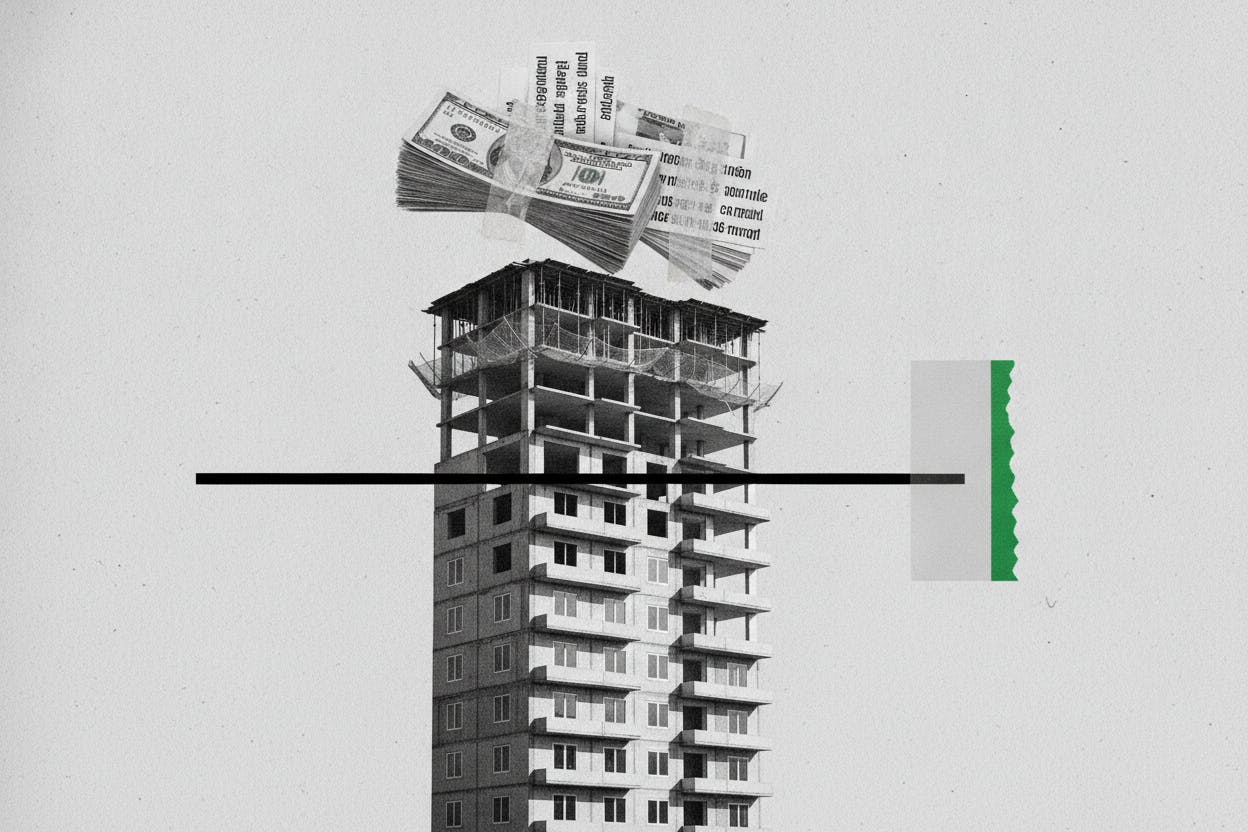
Chinese property developers saw their shares slide on [day] after regulators announced stricter rules for selling new homes before they are built. The new measures limit how developers can use money raised from presales and require banks to issue mortgages only after a project is completed, according to Reuters.
What changed?
Under the previous system, developers could collect full payment from buyers early in the construction process and use those funds to finance the build. That practice, known as presale funding, has been a cornerstone of China's housing market for decades. It allowed developers to operate with less upfront capital but also created risks: if a project stalled or the developer ran into trouble, buyers could be left with unfinished homes and no easy way to get their money back.
The new rules aim to reduce that risk by tightening how presale money is held and spent. Developers will have less flexibility to divert those funds to other projects or uses. In addition, mortgages will only be issued once a project is physically completed, which means buyers will need to wait longer before their loans are approved and disbursed.
Why it matters for developers
For developers, the changes hit at the heart of their business model. Presales have long been a critical source of cash, allowing companies to fund construction and manage their balance sheets. By restricting access to that money and delaying mortgage payments, regulators are effectively squeezing developers' liquidity at a time when many are already struggling with high debt and weak demand.
The share price reaction reflects those concerns. Investors are worried that the tighter rules will slow sales, reduce cash flow, and make it even harder for developers to complete projects on time. The sector has been under pressure for years, and this move adds another layer of uncertainty.
What it means for homebuyers
For ordinary homebuyers, the changes could be a double-edged sword. On one hand, the rules offer more protection: buyers will be less likely to lose money on unfinished projects, and the requirement for completed projects before mortgages are issued should reduce the risk of being stuck with a half-built home. On the other hand, the new system could slow the pace of new home sales and make it harder for buyers to secure financing, especially for those who rely on mortgages to purchase.
In the short term, the stricter rules may also lead to fewer new projects being launched, as developers adjust to the new funding environment. That could reduce the supply of new homes in some areas, potentially putting upward pressure on prices in the long run.
Broader context
China's property sector has been a major driver of economic growth for years, but it has faced significant headwinds recently. A combination of regulatory crackdowns, slowing demand, and high debt levels has led to a wave of defaults and unfinished projects. The government has tried to stabilise the market with various measures, but the sector remains fragile.
The new presale rules are part of a broader effort to reform the housing market and reduce systemic risks. However, they also add to the challenges facing developers, who are already navigating a difficult operating environment. As China property shares slide, investors are watching closely to see how the sector adapts.
What investors should watch
For investors, the key question is how quickly developers can adjust to the new rules. Companies with strong balance sheets and access to alternative funding sources may be better positioned to weather the change. Those with heavy debt and limited liquidity could face more pressure.
It's also worth watching how the rules affect sales volumes and pricing. If developers are forced to slow down new launches, it could lead to a tighter supply of new homes, which might support prices in some markets. However, if demand remains weak, the impact could be muted.
The broader economic backdrop also matters. China's economy has been growing at a slower pace, and the property sector is a key part of that picture. As China's biggest banks see profit growth, partly due to stabilising margins, the health of the property market remains a critical factor for the financial system.
The bottom line
The new home-sales rules are a significant shift for China's property market. They aim to protect buyers and reduce risk, but they also put more strain on developers who are already under pressure. For investors, the immediate impact is negative for developer stocks, but the longer-term effects will depend on how the sector adapts and whether the government provides additional support.
As always, it's important to remember that investing in property stocks carries risks, especially in a sector that is undergoing major regulatory changes. Diversification and a long-term perspective are key.



