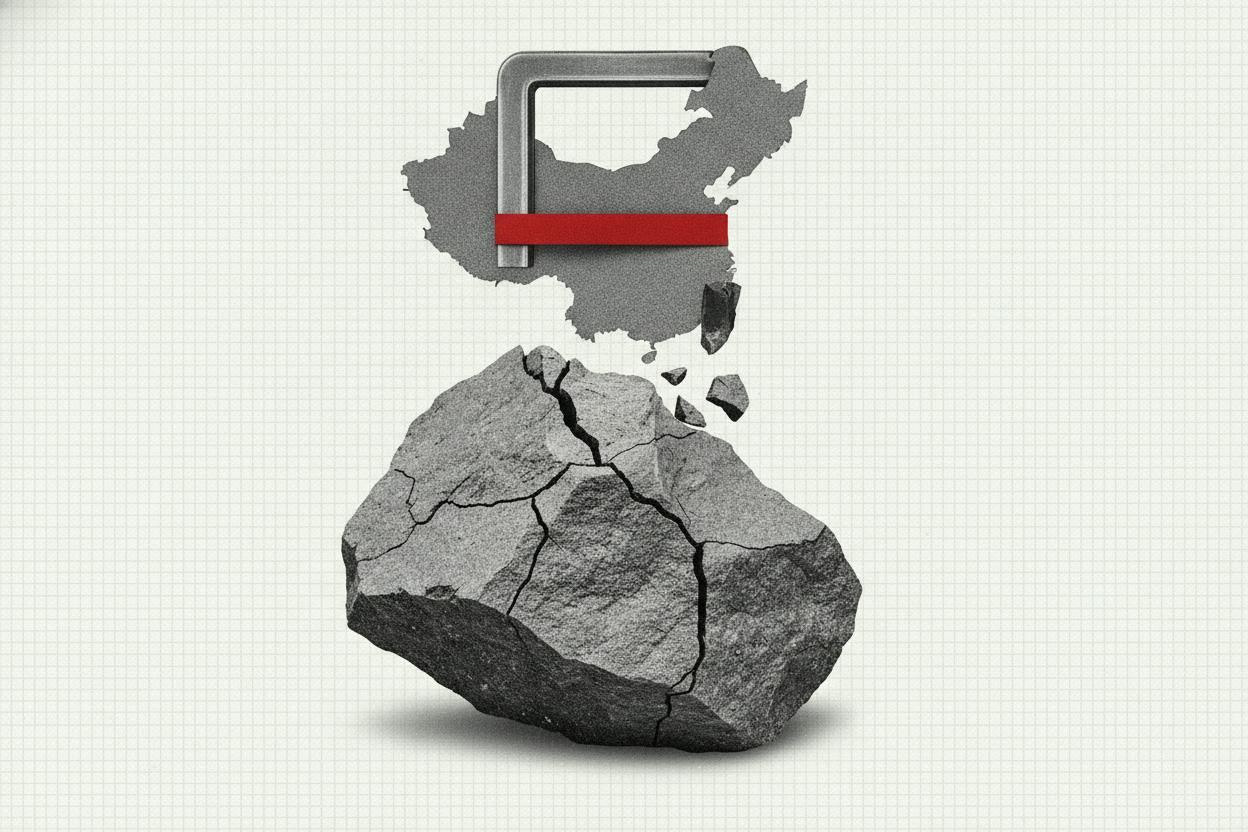
Top executives from BHP and Rio Tinto are set to travel to Beijing for a CEO roundtable with Chinese Premier Li Qiang. The meeting underscores the growing importance of China's state-backed buying group, China Mineral Resources Group (CMRG), which is seeking to tighten its grip on iron ore contract talks and prices.
Iron ore is a cornerstone of Australia's trade relationship with China, and this high-level invitation signals more than routine diplomacy. It reflects Beijing's strategic push to secure better terms for its steelmakers, which rely heavily on imported iron ore.
What is CMRG and why does it matter?
China Mineral Resources Group was established to pool the purchasing power of China's steel industry. By centralizing demand, CMRG aims to negotiate more forcefully with global suppliers like BHP and Rio Tinto, potentially influencing benchmark prices that affect the entire market.
For everyday investors, this is a development worth watching. Iron ore prices are a major driver of profits for Australia's biggest mining companies, and any shift in how contracts are negotiated could have ripple effects on their earnings and share prices.
The roundtable with Premier Li is a clear signal that China is serious about reshaping the dynamics of the iron ore trade. While the meeting itself may not produce immediate announcements, the symbolism is significant.
What does this mean for investors?
For investors in BHP and Rio Tinto, the key question is whether CMRG's increased influence will lead to lower iron ore prices. Historically, iron ore prices have been volatile, influenced by Chinese demand, supply disruptions, and now, potentially, by more coordinated buying.
If CMRG succeeds in negotiating lower prices, it could squeeze the profit margins of Australian miners. However, these companies are also diversified and have weathered similar challenges before. Their ability to adapt and manage costs will be crucial.
It's also worth noting that China's demand for iron ore remains strong, even as its economy slows. The country is the world's largest steel producer, and its infrastructure and construction sectors continue to consume vast amounts of the metal.
Broader context: trade tensions and global markets
The meeting comes amid broader trade tensions between China and Western nations, including recent disputes over technology and tariffs. For instance, the US has tightened restrictions on chip exports to China, affecting markets globally. While iron ore is a different sector, the geopolitical backdrop adds another layer of complexity to these negotiations.
Investors should also keep an eye on how these talks might influence Australian shares, which are heavily weighted toward mining stocks. Any news from Beijing could move the market.
Additionally, the outcome of these discussions could have implications for Chinese stocks, as steelmakers are a significant part of the economy.
What to watch next
Investors will be watching for any concrete outcomes from the roundtable, such as announcements about contract terms or pricing mechanisms. Even without formal agreements, the tone of the discussions could provide clues about future negotiations.
It's also important to monitor how CMRG's strategy evolves. If it becomes more aggressive in its buying, that could signal a longer-term shift in the iron ore market. Conversely, if it takes a more collaborative approach, the impact on prices might be muted.
For now, the meeting is a reminder that iron ore remains a politically charged commodity, and its pricing is not purely a matter of supply and demand. Investors should stay informed and consider the broader geopolitical and strategic factors at play.