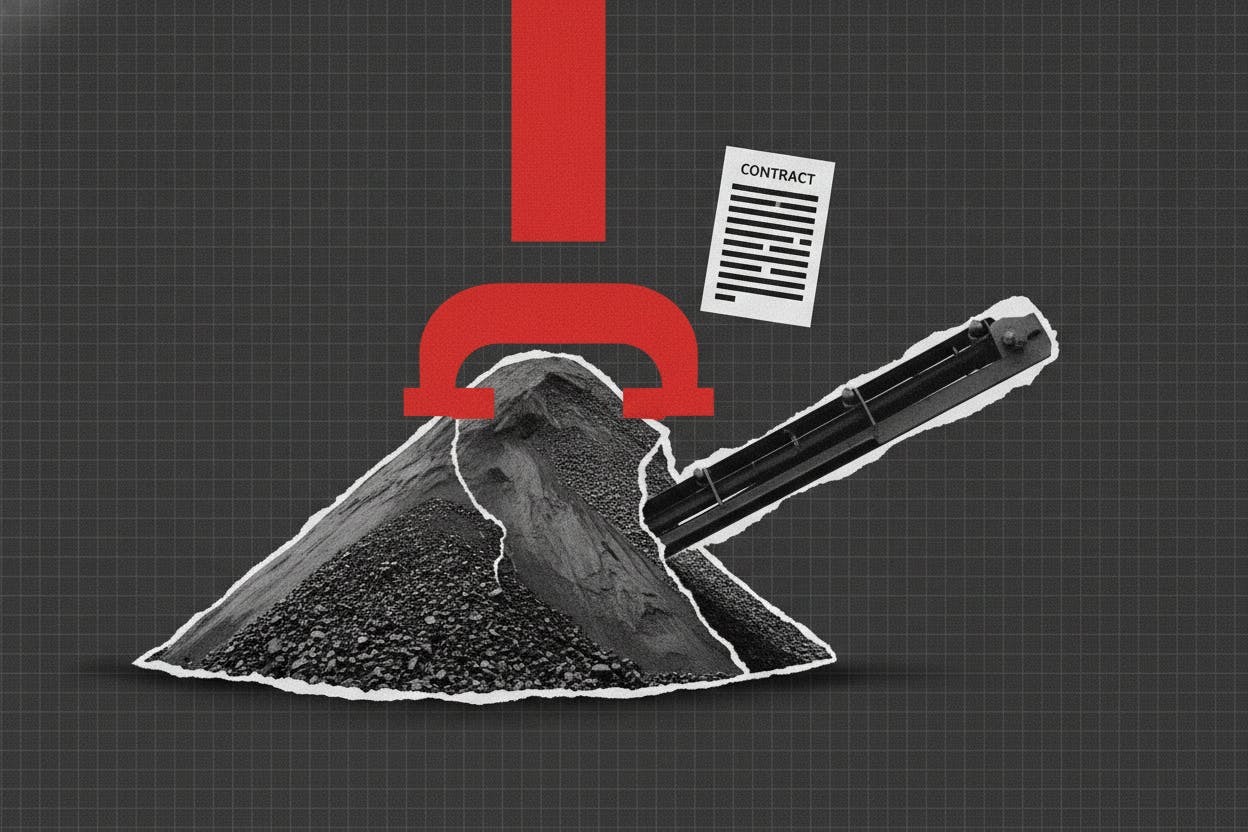
China's state-backed iron ore buyer, China Mineral Resources Group (CMRG), has tightened its grip on the market for Fortescue's lower-grade iron ore, triggering a sharp drop in port inventories and signaling a broader shift in how the world's biggest steel producer manages its supply chains.
According to traders, stockpiles of Fortescue's Super Special Fines (SSF) at major Chinese ports fell 16.5% to 6.01 million metric tons in the week ending July 14. The drawdown came after steel mills rushed to take delivery of cargoes ahead of new restrictions imposed by CMRG.
What CMRG Did and Why It Matters
In early July, CMRG informed Chinese steel mills that starting July 15, they could no longer take delivery of Fortescue's SSF sitting at ports, traders said. The state buyer later broadened the limits to include new purchases of this grade. That's significant because portside spot trading is a key outlet for unwanted or excess shipments—a release valve that normally keeps the market liquid.
The timing is awkward for Fortescue. CMRG is currently in talks with the Australian miner on a new supply agreement, and the restrictions appear to be more than a one-off logistics tweak. They fit into Beijing's wider effort to gain more influence over iron ore pricing and supply chains, a push that has been building for years as China seeks to reduce its reliance on a handful of global miners.
An analyst also noted that fewer arrivals, partly due to a typhoon, contributed to the inventory drop. But the core driver was the CMRG directive, which effectively turned a 6.01-million-ton pile of ore into negotiating leverage.
What It Means for Fortescue and Iron Ore Markets
For investors, the key takeaway is not just the 16.5% inventory decline, but what it says about liquidity for one specific product. When mills are told they can't take port deliveries—and then can't even make new purchases—sellers lose that release valve. That usually shows up as deeper discounts versus benchmark iron ore prices, or as pressure to renegotiate contract terms to keep shipments flowing.
Fortescue's realized pricing on Super Special Fines may now hinge more on how its CMRG talks land. Meanwhile, unrestricted ore grades—those not subject to similar curbs—could command a relative premium inside China because they still have multiple routes into mills.
The broader context is that China's steel industry is navigating a tricky environment. Demand has softened amid a property sector downturn, and mills are under pressure to cut costs. At the same time, Beijing is pushing for more self-sufficiency in key raw materials. The CMRG moves are part of that strategy, and they could have ripple effects for other miners selling into China.
For everyday investors, this story underscores how state intervention can reshape commodity markets. Iron ore is a bellwether for global trade and industrial activity, and any shift in how China buys it can affect prices, miner profits, and even the broader Australian economy, given Fortescue's role there.
What to Watch Next
Investors should keep an eye on the discount Fortescue's SSF trades at versus benchmark iron ore prices. If the gap widens, it would confirm that CMRG's restrictions are squeezing margins. Also watch for any updates on the supply agreement talks between Fortescue and CMRG—a deal could reset terms for years to come.
Meanwhile, China's broader economic picture remains in focus. The country recently held key lending rates steady for the 14th month, signaling a cautious approach to stimulus. That could weigh on steel demand and, by extension, iron ore imports.
For now, the CMRG move is a reminder that in China's commodity markets, the state's hand is never far from the scale.