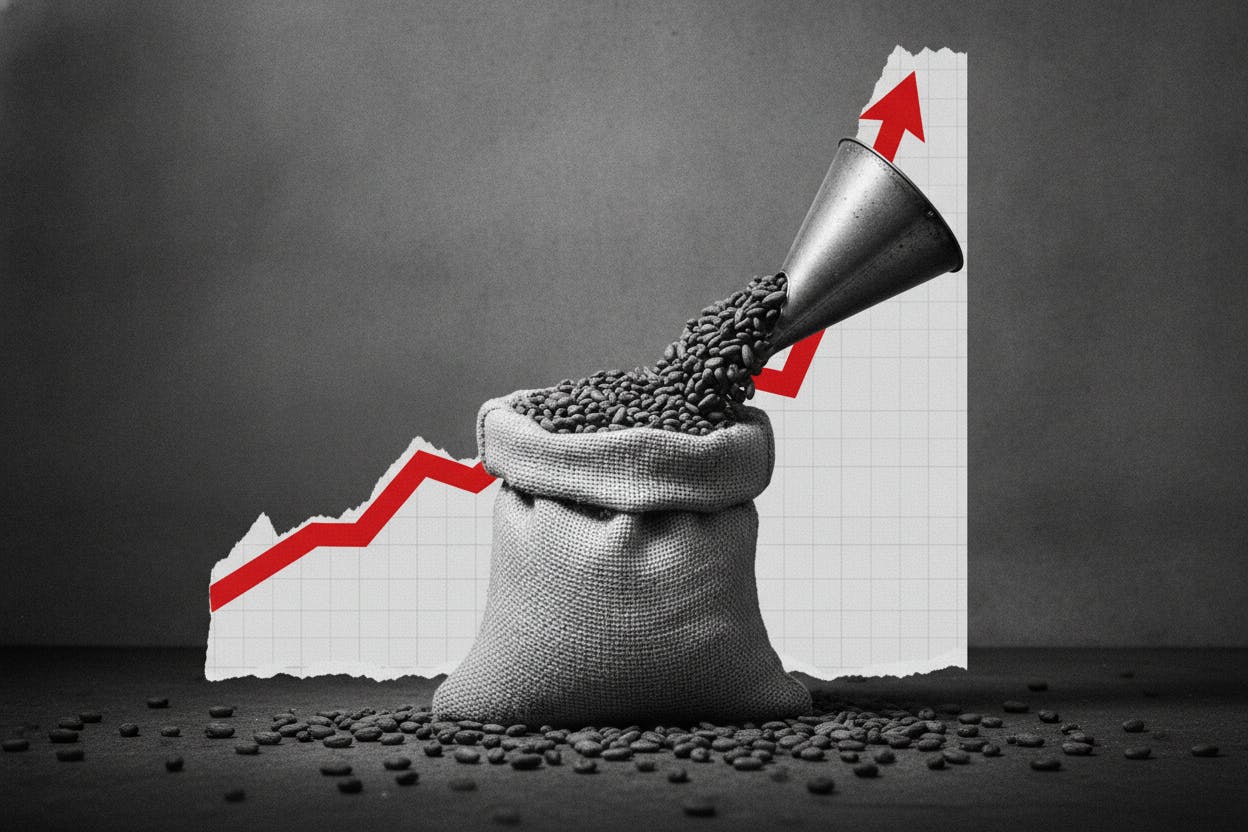
Cocoa futures jumped sharply on Wednesday after fresh industry data showed that processors in North America and Asia used more beans than expected in the second quarter, easing recent worries that demand for chocolate ingredients was cooling.
London cocoa climbed 6% to £4,270 per metric ton, while New York cocoa rose 5.8% to $5,822. The moves came after the National Confectioners Association reported that North America's second-quarter cocoa grind rose 7.7% to 109,659 tons, well above expectations for little change. Asian grind data also came in stronger than anticipated, rising 25.1%, though European grind fell 4.6%.
What is a cocoa grind and why does it matter?
For investors unfamiliar with the commodity, a "grind" measures how much cocoa beans are processed into cocoa butter, powder, and liquor — the key ingredients used by chocolate makers. It is widely considered one of the most reliable real-time indicators of demand in the cocoa market, because it reflects actual processing activity rather than speculative trading or inventory estimates.
When grind numbers rise, it suggests that chocolate manufacturers and food companies are buying more beans to meet consumer demand for chocolate bars, confectionery, and other cocoa-based products. A decline, by contrast, often signals that demand is softening or that inventories are building up.
The latest data from North America and Asia surprised many traders who had been bracing for a slowdown. After a period of high cocoa prices and concerns about supply from West Africa — where drought and disease have hit crops — the market had been watching for signs that high costs were curbing consumption. The strong grind numbers suggest that, at least for now, demand remains resilient.
Broader commodity context
The rally in cocoa was part of a broader uptick in soft commodities. Sugar and coffee futures also ticked higher on Wednesday, though the moves were more modest. Sugar prices have been under pressure from ample global supply, while coffee has been supported by concerns about output in key growing regions like Brazil and Vietnam.
For everyday investors, the cocoa market can be a bellwether for consumer spending trends. If people are still buying chocolate and confectionery despite higher prices, it may indicate that household budgets are holding up better than feared. Conversely, a sustained drop in grind data could be an early warning that consumers are cutting back on discretionary treats.
The divergence between regions is also worth noting. While North America and Asia showed strength, Europe's 4.6% decline suggests that demand may be uneven. European consumers have faced higher energy costs and inflation, which could be weighing on chocolate purchases. Investors will be watching to see whether the European weakness spreads or remains an outlier.
What it means for investors
For those with exposure to cocoa through commodity ETFs, futures, or chocolate company stocks, the grind data is a key signal to monitor. The strong North American and Asian numbers suggest that the demand side of the cocoa market is healthier than many had assumed, which could support prices in the near term.
However, the supply picture remains uncertain. Cocoa production in Ivory Coast and Ghana, the world's top growers, has been hampered by adverse weather and disease. If supply constraints persist, prices could stay elevated even if demand softens. The market will be closely watching the next crop forecasts and any updates from West African exporters.
For investors in broader markets, the cocoa rally is a reminder that commodity prices can be volatile and driven by niche data points. Unlike broad stock indices, which move on macro factors like interest rates and earnings, soft commodities are heavily influenced by weather, crop diseases, and processing data like grind numbers. That makes them a useful diversification tool but also a riskier bet for those who don't follow the fundamentals closely.
Looking ahead, traders will focus on the next round of grind data from Europe and Asia, as well as any updates on the upcoming cocoa harvest. If demand continues to hold up while supply remains tight, cocoa prices could have further room to run. But if European weakness deepens or Asian growth slows, the rally may lose steam.
For now, the message from the grind data is clear: the world's chocolate lovers are still eating, and that is keeping the cocoa market sweet.



