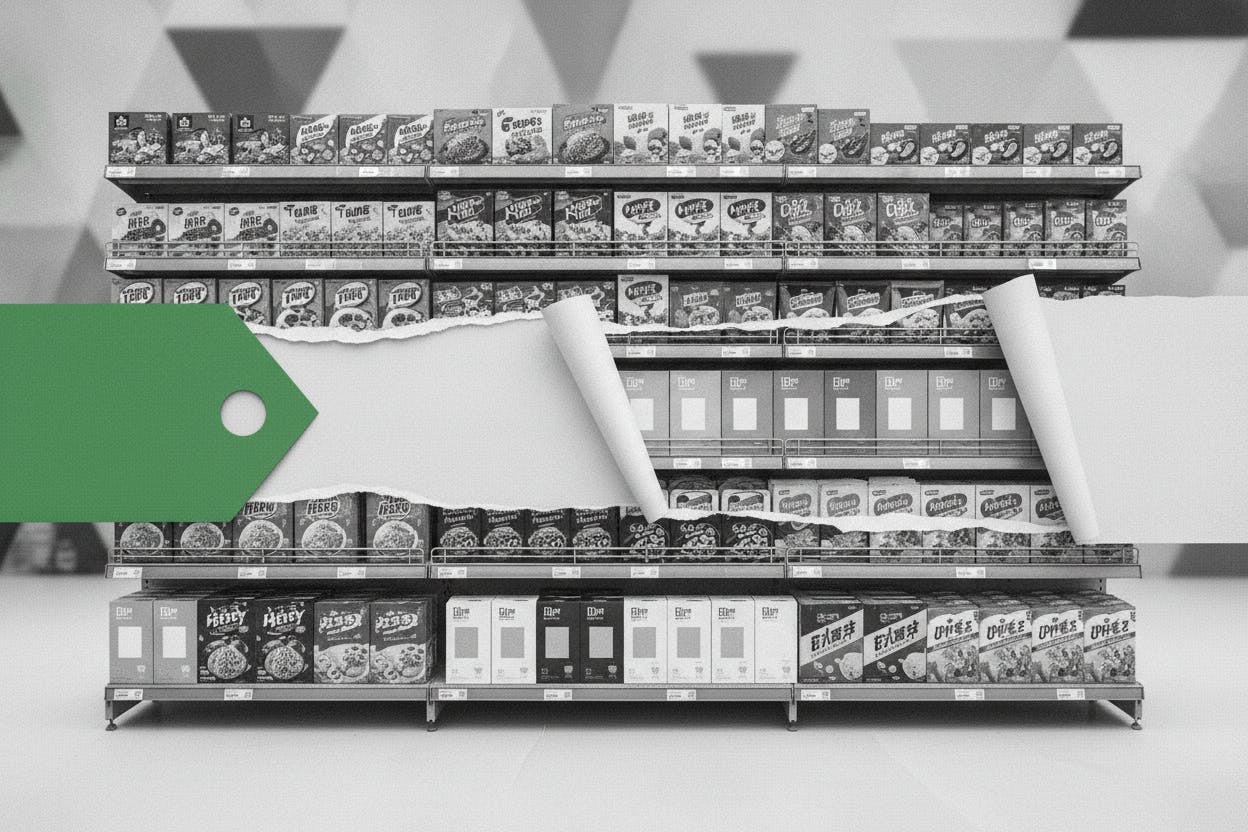
China's largest retailers are increasingly betting on their own store brands, a shift that S&P Global Ratings expects to reshape the country's consumer-goods landscape. In a new report, the credit-rating agency forecasts that private-label goods could account for as much as 20% of top chains' high-turnover inventory within eight years, up from a smaller share today.
The move reflects two forces: shoppers who remain value-conscious after a period of economic uncertainty, and retailers eager to capture fatter profit margins. According to S&P, citing data from NielsenIQ, store brands in China averaged 16% cheaper than national brands last year. That discount appeals to consumers looking to stretch their yuan further, especially in a climate where broader economic pressures have kept spending cautious.
Why Retailers Are Pushing Private Label
The bigger incentive, however, sits with the retailers themselves. S&P estimates that private-label items generate gross margins 8% to 15% higher than equivalent name-brand products. By cutting out middlemen and owning the brand premium, chains can price aggressively while still investing in product quality. That turns store brands from a cheap substitute into a strategic profit center.
This is not a niche play. China's top grocery and big-box chains—companies like Alibaba's Freshippo, JD.com's supermarkets, and traditional retailers such as Sun Art Retail Group—have been expanding their own-brand lines. The trend mirrors what retailers in the U.S. and Europe have done for decades, where private label can command 30% or more of sales in some categories.
The extra margin cushion gives large retailers more room to compete on price without sacrificing profitability. It also allows them to differentiate their offerings, building customer loyalty around exclusive products that can't be found elsewhere.
The Downside for Branded Consumer Goods Makers
For traditional consumer-goods companies—think Nestlé, Procter & Gamble, or local giants like Yili and Mengniu—the rise of private label is a direct threat. Each shelf slot taken by a store brand is one less for a national brand. S&P notes that branded manufacturers may face pressure to offer lower wholesale prices or increase promotional spending just to protect their shelf space.
That dynamic can squeeze margins for consumer-goods companies, particularly those with weaker brand power or higher cost structures. It also shifts negotiating leverage toward the largest retailers, which can use their scale to demand better terms. Smaller retailers, by contrast, may struggle to match the quality and pricing of private-label programs, potentially widening the gap between industry leaders and laggards.
What It Means for Investors
For equity investors, S&P's forecast signals a potential profit shift toward China's retail giants. If private label reaches 20% of fast-moving inventory, the margin pool moves from manufacturers to the chains that own the product design and supplier relationships. That could boost earnings for companies like Alibaba (which owns Freshippo), JD.com, and Sun Art, as well as other large grocery operators.
However, the trend also carries risks. Building a successful private-label program requires investment in supply chain, quality control, and marketing. Not every retailer will execute well. And if economic conditions improve, some consumers may return to national brands, slowing the shift.
For bond investors, the implications are more nuanced. S&P's analysis is part of its credit-rating work, and stronger margins could improve the credit profiles of large retailers. But the pressure on branded consumer-goods companies could weaken their creditworthiness, especially if they rely heavily on the Chinese market.
Investors should also watch for regulatory angles. Chinese authorities have been keen to promote consumption and competition, but they have also shown willingness to intervene in markets. Any policy that limits retailer pricing power or mandates shelf-space allocation could alter the trajectory.
Broader Context
The private-label push comes as China's retail sector navigates a complex environment. Consumer confidence has been fragile, with property market woes and job uncertainty weighing on spending. At the same time, e-commerce giants like Pinduoduo and Douyin (TikTok's Chinese sibling) have intensified price competition, forcing traditional retailers to adapt.
Store brands offer a way to compete without getting dragged into a race to the bottom on national-brand prices. They also align with a broader trend of vertical integration, where retailers take more control over their supply chains—a strategy that has paid off for companies like Costco and Trader Joe's in the U.S.
In China, the shift is still in its early stages. But if S&P's forecast proves accurate, the next eight years could see a fundamental change in how Chinese consumers shop and which companies capture the profits.