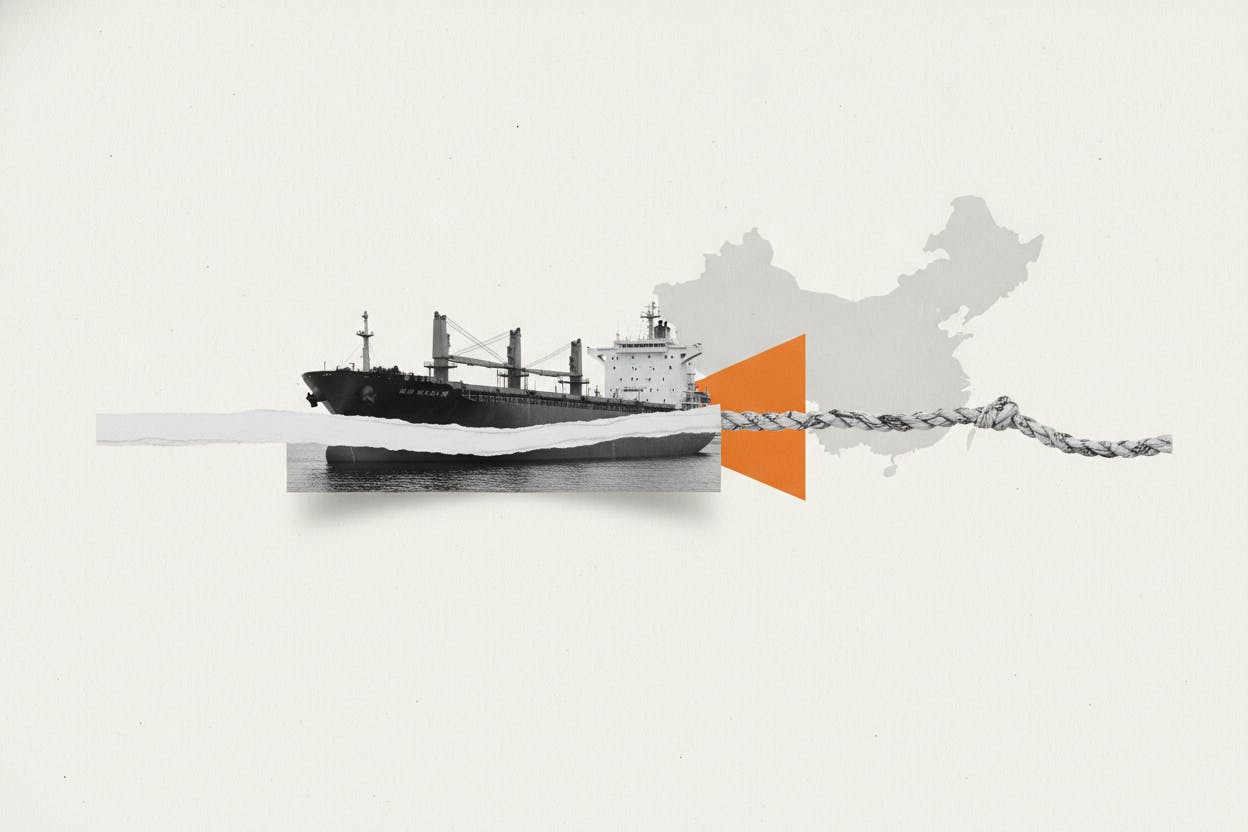
Iron ore prices barely moved on Tuesday as traders weighed two opposing forces: a widening strike at BHP's Port Hedland export hub in Western Australia and softer-than-expected July inflation data from China, the world's biggest buyer of the steelmaking ingredient.
The standoff leaves the market in a delicate balance, with supply concerns on one side and demand worries on the other. For everyday investors, the key question is whether this calm will hold or if a genuine supply shock is brewing.
What's happening at Port Hedland?
Port Hedland is the world's largest iron ore export port, and it's the main gateway for the Pilbara region, which produces the bulk of Australia's iron ore. The hub handled roughly 75% of Pilbara iron ore exports in the year to June, according to the brief. That makes it a critical piece of global supply infrastructure.
The industrial action at Port Hedland is the first major strike there in about 25 years, and it's growing. More workers have joined the picket lines, raising the possibility of disruptions to loading and shipping schedules. BHP, one of the world's largest mining companies, operates the port and relies on it to move iron ore to customers in China and elsewhere.
Strikes at export hubs are rare, and when they happen, they can quickly tighten the market. But so far, traders are not pricing in a major disruption. Futures on China's Dalian Commodity Exchange, a key benchmark for iron ore, have remained relatively stable, suggesting the market believes the strike will be resolved before it causes significant supply losses.
China's inflation data adds a demand-side worry
On the other side of the scale, China's July inflation data came in softer than expected. Consumer prices rose at a slower pace than analysts had forecast, and producer prices continued to fall. That points to weak domestic demand in the world's second-largest economy, which is a concern for iron ore because China consumes more than half of the world's seaborne iron ore.
When China's economy slows, steelmakers cut production, and that reduces their appetite for iron ore. Softer inflation data suggests that the government's stimulus efforts have not yet translated into stronger industrial activity. This is why traders are hesitant to bid up iron ore prices even as the strike threatens supply.
The tug-of-war between supply and demand is a classic dynamic in commodity markets. In this case, the supply shock is real but potentially short-lived, while the demand weakness could be more persistent. That's why prices are holding steady rather than surging.
What it means for investors
For investors, the iron ore market is a bellwether for global economic health and a key driver of earnings for major miners like BHP, Rio Tinto, and Fortescue. If the strike drags on and disrupts exports, iron ore prices could spike, boosting the share prices of these companies. But if China's demand continues to weaken, any price gains from supply disruptions could be short-lived.
Investors should also watch how this plays out in the broader commodities complex. Iron ore is not the only metal in focus. Gold miners have been lifting markets as metal prices jump, and oil prices are edging up as traders eye US inflation data and shipping risks in the Hormuz Strait. These moves show that commodity markets are reacting to a mix of supply and demand signals globally.
For those with diversified portfolios, the iron ore story is a reminder that commodity prices can be volatile and are influenced by factors that are often hard to predict, such as labor disputes and economic data from China. It's also a reminder that emerging markets are holding steady as oil rises on shipping threats, which can affect global growth and, in turn, demand for raw materials.
What to watch next
The key indicators to watch are the duration of the strike and any further Chinese economic data. If the strike expands or lasts longer than expected, iron ore prices could break out of their current range. On the demand side, any signs of a pickup in Chinese steel production or government stimulus would be bullish for iron ore.
For now, the market is in a wait-and-see mode. The strike is a reminder that even the most critical supply chains can face disruptions, but the market's muted reaction suggests that traders believe the impact will be manageable. As always, investors should focus on the long-term fundamentals rather than short-term noise.