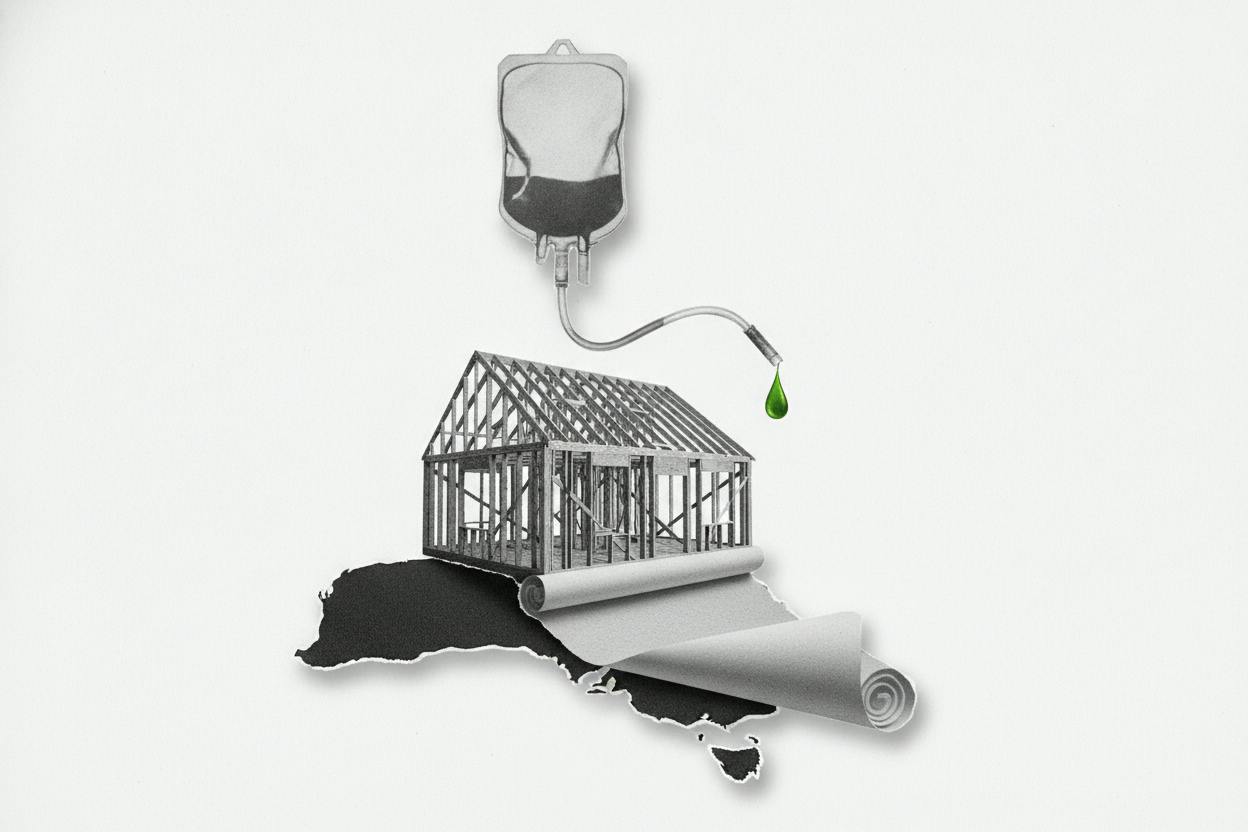
Bathla Group, an Australian affordable-housing developer, has stopped construction and stood down workers across 13 sites after the short-term funding arranged during its administration ran out, according to administrators at Teneo. The move brings the company's operations to a standstill as it struggles to stay afloat.
What happened
Teneo, the appointed administrators, said that the short-term lender funding was exhausted, forcing the company to halt work on all active projects. Workers across the 13 sites have been stood down, and operations have ceased. The company had entered administration last month with about A$3.4 billion ($2.4 billion) in debts and 219 projects on its books, including dozens of active builds that made up a meaningful slice of what it owes.
Administration is a formal process in Australia (similar to Chapter 11 in the US) where an independent administrator takes control of a company to try to rescue it, restructure it, or sell it in an orderly way. The goal is to maximize returns to creditors, who are the parties owed money—such as banks, suppliers, and bondholders. During this period, the company typically continues to operate, but in Bathla's case, the lack of funding has made that impossible.
Why it matters
Bathla is a significant player in the affordable-housing segment, which is already under pressure from high construction costs, labor shortages, and rising interest rates. The halt in construction could delay the delivery of much-needed housing supply, adding to Australia's housing affordability challenges. For the broader economy, the failure of a large developer can ripple through subcontractors, suppliers, and lenders, potentially leading to job losses and financial strain.
This news comes amid a mixed economic backdrop in Australia. The Reserve Bank of Australia has been hiking rates to combat inflation, which has increased borrowing costs for developers and homebuyers alike. At the same time, the unemployment rate has ticked up, suggesting some cooling in the labor market. These factors have made it harder for property developers to secure financing and complete projects profitably.
What it means for investors
For everyday investors, the Bathla situation is a reminder of the risks in the property development sector. When a developer goes into administration, creditors—including banks and bondholders—may face significant losses. If you hold shares or bonds in such companies, the value can plummet. However, most retail investors are not directly exposed to private developers like Bathla, which is not publicly listed.
More broadly, this could signal stress in the Australian property market. If other developers face similar funding issues, it could lead to a slowdown in new housing supply, which might support property prices in the long run but also indicates economic fragility. Investors in Australian banks or construction-related stocks should watch for any knock-on effects, as these sectors are sensitive to the health of the property market.
For those with exposure to the broader Australian market, the news adds to a cautious sentiment. Australian shares have been volatile recently, influenced by global factors like US yields and oil prices. The property sector's troubles could weigh on market confidence, especially if more developers face similar fates.
What to watch next
Investors will be watching how Teneo handles Bathla's administration. Key questions include whether a buyer can be found for the company's projects, how much creditors will recover, and whether the halt in construction becomes permanent. The outcome could set a precedent for other struggling developers in Australia.
Additionally, the broader housing market will be in focus. With banks dipping and miners gaining, the market is reacting to a mix of signals. The Bathla case highlights the challenges facing the construction industry, which is a major employer and economic driver. If funding conditions remain tight, more projects could be delayed or cancelled, affecting everything from building materials suppliers to homebuyers waiting for new properties.
For now, the Bathla Group's halt is a stark reminder that even large developers are not immune to financial distress. The coming weeks will reveal whether this is an isolated incident or a sign of deeper problems in Australia's property sector.