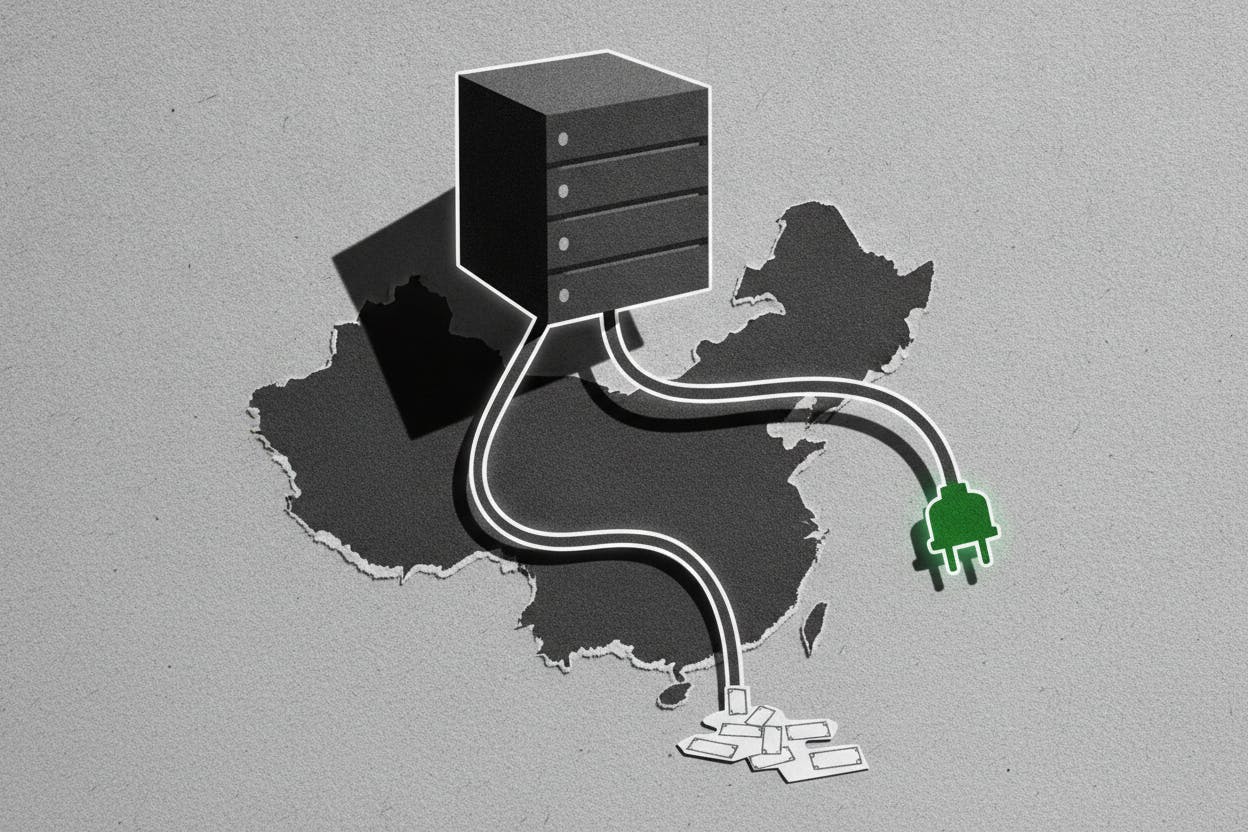
China's stock market managed a modest gain on Tuesday, but the day's real story was a split screen: investors rewarded companies tied to the booming demand for AI hardware, while punishing one of the country's biggest tech names for its heavy spending on artificial intelligence.
The benchmark index inched up as shares of optical module makers—firms that produce the high-speed components used to connect data centers—rallied. The move followed upbeat signals from US-listed AI infrastructure companies like CoreWeave and Super Micro Computer, which suggested that demand for AI computing is still building. For investors, that's a sign that the global buildout of AI data centers is far from over, and that suppliers in China are well positioned to benefit.
Why optical modules are in focus
Optical modules are the hardware that lets data centers talk to each other at high speeds. As AI models grow more complex, they require massive amounts of data to be shuttled between servers, making these components essential. Chinese companies are among the world's largest producers of optical modules, so when US tech giants and AI startups signal they're still spending heavily on infrastructure, it's a direct tailwind for these exporters.
The positive read-through from CoreWeave and Super Micro Computer—both of which reported strong demand for their AI-related offerings—helped lift sentiment across the sector. This is part of a broader trend where AI optimism has been driving stock gains globally, from chip stocks in Japan to Taiwan's tech-heavy market.
Tencent's cash flow shock
On the other side of the ledger, Tencent—the Chinese internet and gaming giant—saw its shares fall 3.8%. The drop came after the company reported a record quarterly negative free cash flow. Free cash flow is the money a company generates after paying for its day-to-day operations and capital expenditures. A negative number means Tencent spent more than it brought in during the quarter, a rare and notable event for a company known for its cash-generating businesses like WeChat and gaming.
Tencent also said it plans to increase its AI spending. That means more money going into data centers, chips, and other infrastructure to support its own AI ambitions. While that could pay off in the long run, investors are worried about the near-term hit to profitability and the possibility that the spending spree might not deliver returns quickly enough.
This is a familiar tension in the tech world right now. Companies are racing to build AI capabilities, but the costs are enormous. For Tencent, the market's reaction shows that even a company with a strong track record can face skepticism when it starts burning through cash.
What it means for investors
The contrasting moves highlight what investors are currently rewarding: companies that benefit from AI demand without having to spend heavily themselves. Optical module makers are a good example—they're selling the picks and shovels of the AI gold rush, and their margins are often tied to rising demand rather than their own capital spending.
For everyday investors, this is a reminder to look beyond the headline numbers. A company's earnings might be strong, but if it's spending heavily on future growth, that can weigh on cash flow and, in turn, on the stock price. Tencent's slide is a case study in how the market reacts when a company's spending plans outpace its cash generation.
That said, it's not necessarily a red flag. Many companies that invest heavily in AI today could see significant payoffs down the road. The key is to watch whether the spending translates into revenue growth and, eventually, profits. For now, the market is taking a cautious view of Tencent's cash burn, while rewarding the suppliers that are cashing in on the AI boom.
Investors should also keep an eye on broader market signals. The recent cooling inflation and stable rate expectations have helped support risk appetite, but the AI trade remains a key driver of sentiment. As more companies report earnings, the focus will be on how much they're spending on AI and whether that spending is justified by demand.
For now, the message from the market is clear: AI hardware suppliers are in favor, but companies that are spending big on AI need to show they can manage the costs. Tencent's slide is a reminder that even the biggest names aren't immune to investor scrutiny when the numbers turn negative.