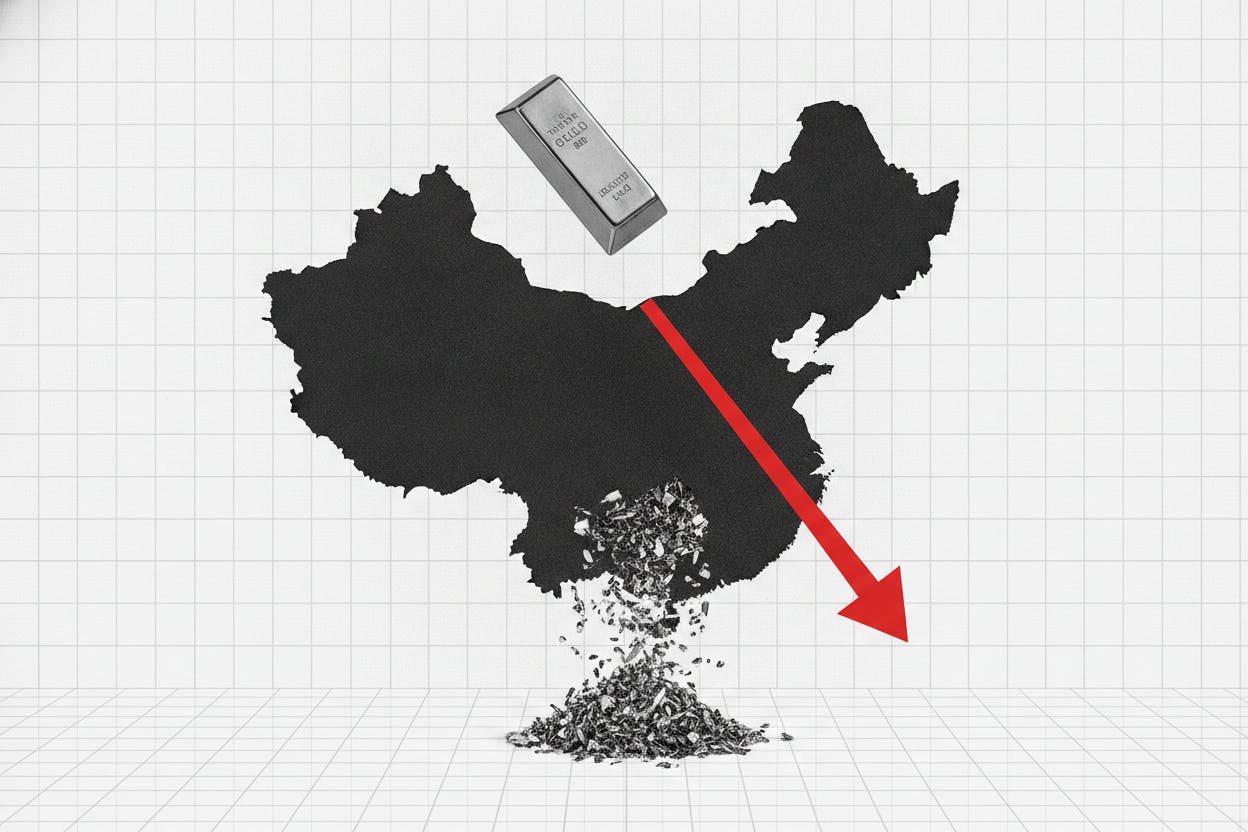
Shanghai and Hong Kong equities slipped on Tuesday, as a decline in metals shares weighed on the market and investors held back ahead of the Federal Reserve's annual Jackson Hole symposium. The cautious tone also reflected ongoing worries about Middle East tensions, which have kept global markets on edge in recent weeks.
What's driving the decline?
The drop in Chinese stocks was led by metals and mining companies, which fell as commodity prices weakened. Metals are a key sector for Chinese markets, and their slide often drags the broader indices down. Investors also appeared to be in a wait-and-see mode, reluctant to make big bets before the Jackson Hole meeting, where Fed officials are expected to offer clues about the path of US interest rates.
Jackson Hole, an annual gathering of central bankers and economists in Wyoming, has become a focal point for markets because Fed chairs have used it in the past to signal major policy shifts. This year, investors are looking for any hints about when the Fed might start cutting rates, which would have ripple effects across global markets, including China.
Middle East tensions add to caution
Geopolitical risk is also playing a role. Ongoing tensions in the Middle East have made investors more risk-averse, as any escalation could disrupt oil supplies and hurt global growth. While Chinese markets are not directly in the line of fire, they are sensitive to shifts in global sentiment, and a flight to safety often hits emerging markets like China hardest.
Similar caution has been visible across the region. For instance, Asian stocks have slipped as traders await key events like Nvidia's earnings and Fed speeches. The broader picture is one of investors treading carefully until they get more clarity on both monetary policy and geopolitical risks.
What does this mean for investors?
For everyday investors, the key takeaway is that Chinese stocks remain sensitive to global cues. When the Fed signals a shift in policy, it can affect everything from the value of the dollar to the flow of capital into emerging markets. A more dovish Fed, for example, could weaken the dollar and make Chinese assets more attractive to foreign investors. On the other hand, if the Fed signals that rates will stay higher for longer, that could put pressure on Chinese markets.
The metals slide is also worth watching. Mining and commodity stocks are a significant part of the Chinese market, and their performance often reflects broader economic health. A sustained drop in metals prices could signal weaker demand, which would be a concern for China's growth outlook.
However, it's important to remember that short-term dips are common, and they don't necessarily indicate a long-term trend. Investors with a diversified portfolio should focus on their long-term goals rather than reacting to daily market moves.
What to watch next
The immediate focus will be on the Jackson Hole symposium, where Fed Chair Jerome Powell is scheduled to speak. Any comments about rate cuts or inflation will be scrutinized for clues about the future of US monetary policy. Investors will also keep an eye on Middle East developments, as any escalation could roil markets further.
For those interested in the broader regional picture, UK stocks have edged higher as oil rebounds, while Indian stocks slipped as oil neared $92.5. These moves highlight how interconnected global markets are, and how a single factor like oil prices can affect multiple regions.
In the meantime, investors should stay informed but avoid making impulsive decisions based on short-term fluctuations. The fundamentals of the Chinese economy, including its growth trajectory and corporate earnings, will ultimately determine the direction of its stock market over the long run.



