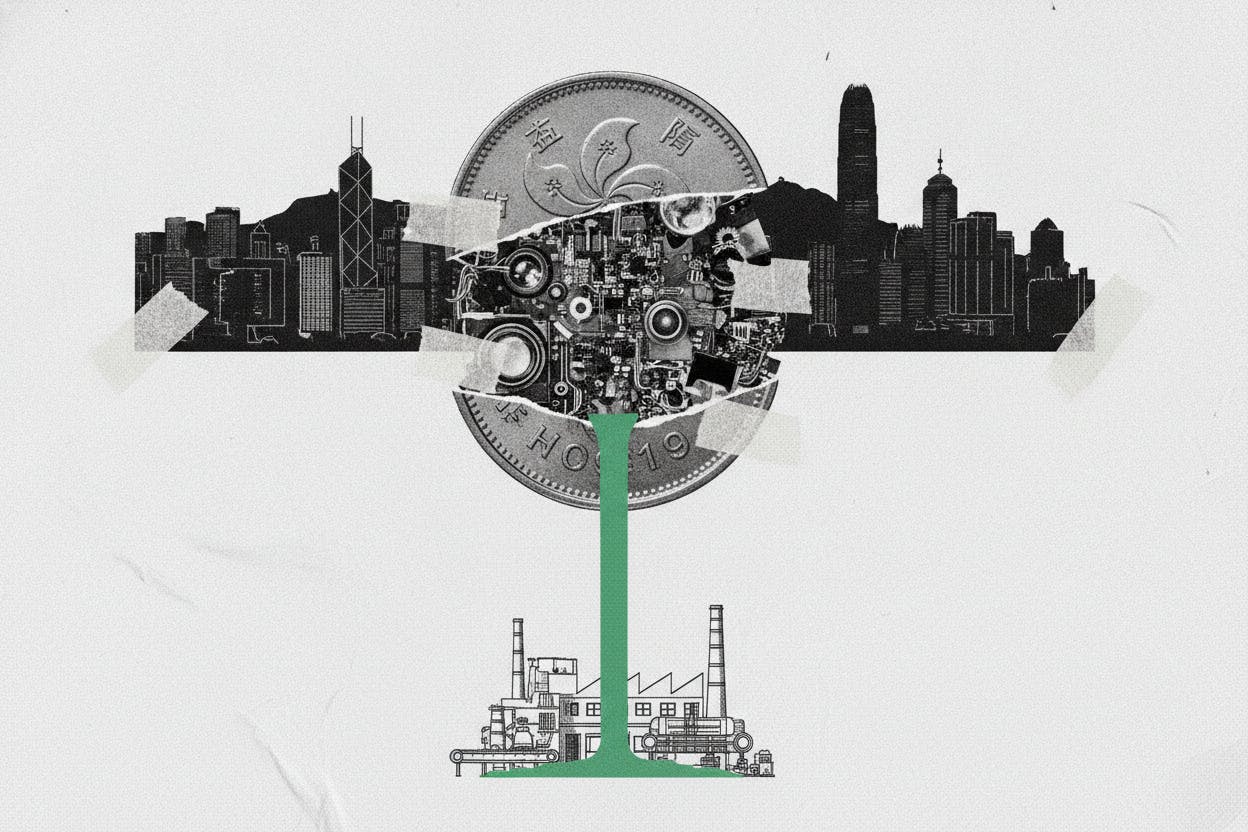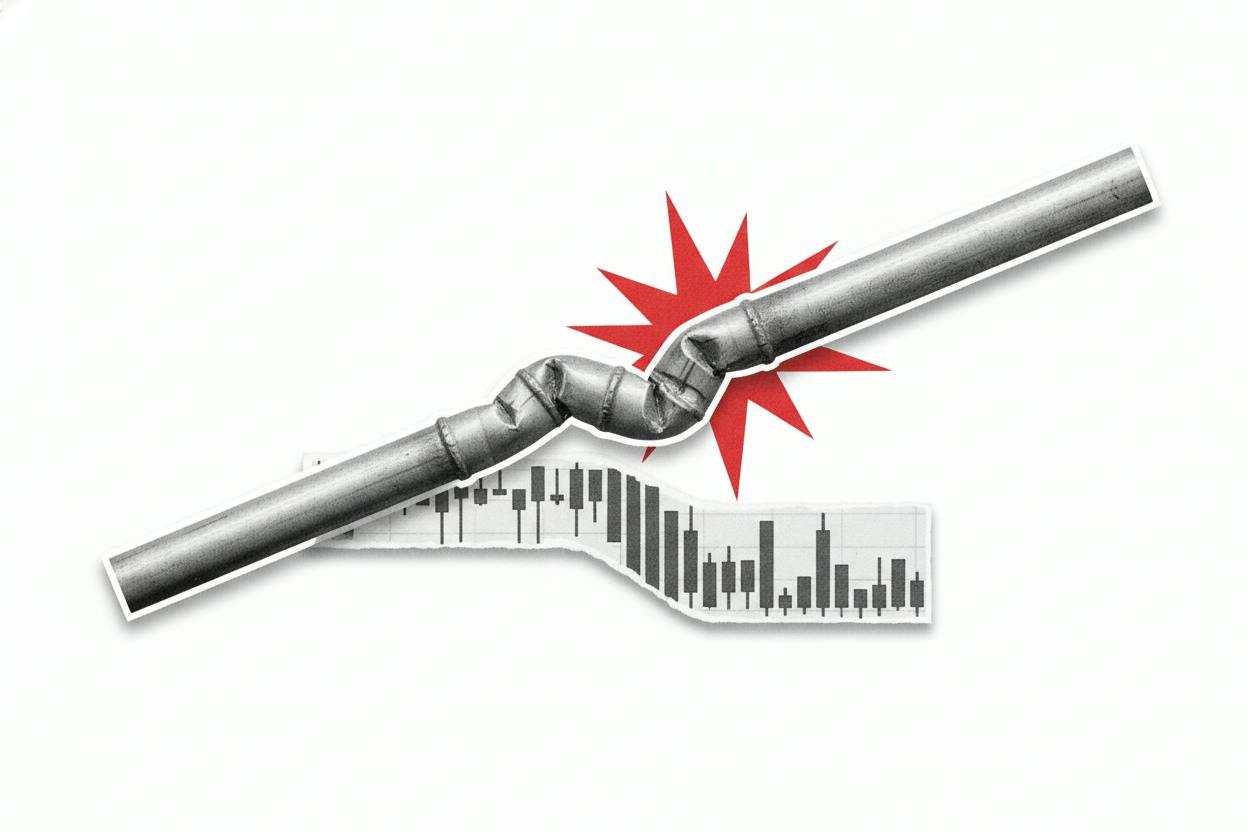
Chinese technology stocks slid sharply on Thursday as a wave of selling swept through artificial intelligence hardware plays, dragging down major indexes and hitting a high-profile Hong Kong listing on its first day of trading.
The sell-off was concentrated in growth-oriented corners of the market. By midday, China's CSI 300 index had fallen 2.2%, while the Shanghai Composite dropped 1.2%. Hong Kong's Hang Seng index was roughly flat, but the Hang Seng Tech Index declined 1.1%, reflecting the pressure on tech names.
AI hardware stocks bear the brunt
The hardest-hit sectors were semiconductors and optical transceivers — components that move data between chips and networks. Sector gauges tracking AI and semiconductors were down about 8%, and China's telecommunications services sector slid 11%. Traders pointed to a broader regional tech revaluation, with investors reassessing the lofty valuations that had built up around AI-related stocks.
One notable casualty was Zhongji Innolight, a Chinese optical transceiver maker that made its Hong Kong debut on Thursday. The stock fell over 7% after the company raised HK$53.4 billion in its share sale, one of the largest tech listings in the city this year. The weak debut underscores the fragile sentiment around AI hardware names, which had been among the best performers in recent months.
The sell-off in China comes amid a global reassessment of AI stocks. Investors have grown cautious about whether the massive spending on AI infrastructure will translate into near-term profits, and some are taking profits after a strong run. This mirrors similar moves in other markets, such as Singapore shares, where export data helped offset AI valuation worries.
What it means for investors
For everyday investors, the sharp decline in Chinese tech stocks is a reminder that AI-related investments can be volatile. The sector has attracted enormous attention and capital, but valuations can shift quickly when sentiment turns. Optical transceivers and semiconductors are critical pieces of the AI supply chain, but they are also cyclical and sensitive to changes in demand expectations.
The drop also highlights the risks of investing in newly listed companies. Zhongji Innolight's debut loss shows that even a well-hyped IPO can stumble if market conditions sour. Investors should be aware that first-day trading can be unpredictable, and a stock's initial performance does not necessarily reflect its long-term prospects.
Broader market moves also played a role. The CSI 300's 2.2% decline was broad-based, with weakness in other sectors like consumer goods and real estate. This suggests the sell-off was not solely about AI, but also reflected concerns about China's economic recovery and regulatory uncertainty.
For those with exposure to Chinese tech stocks, the key question is whether this is a temporary pullback or the start of a deeper correction. The sector has been a major driver of gains in Chinese markets this year, and a sustained sell-off could weigh on overall portfolio returns. Diversification across regions and sectors can help mitigate such risks.
Broader context
The sell-off in Chinese tech stocks comes against a backdrop of global market uncertainty. Central banks in the US and Europe are still grappling with inflation, and geopolitical tensions remain elevated. In this environment, high-growth stocks are often the first to be sold when investors turn risk-averse.
Meanwhile, other markets have shown resilience. For instance, European stocks edged higher as an oil rally lifted energy and mining shares, while copper slipped as the dollar firmed and China tightness eased. These divergent moves underscore the importance of a well-balanced portfolio.
Investors will be watching for further developments in the AI space, including earnings reports from major chipmakers and data center operators. Any signs of slowing demand or rising costs could trigger additional selling. On the other hand, positive surprises could quickly reignite interest in the sector.
For now, the message is clear: AI hardware stocks are not immune to market swings, and the recent rally may have priced in a lot of optimism. As always, a long-term perspective and a focus on fundamentals are the best guides through volatile markets.