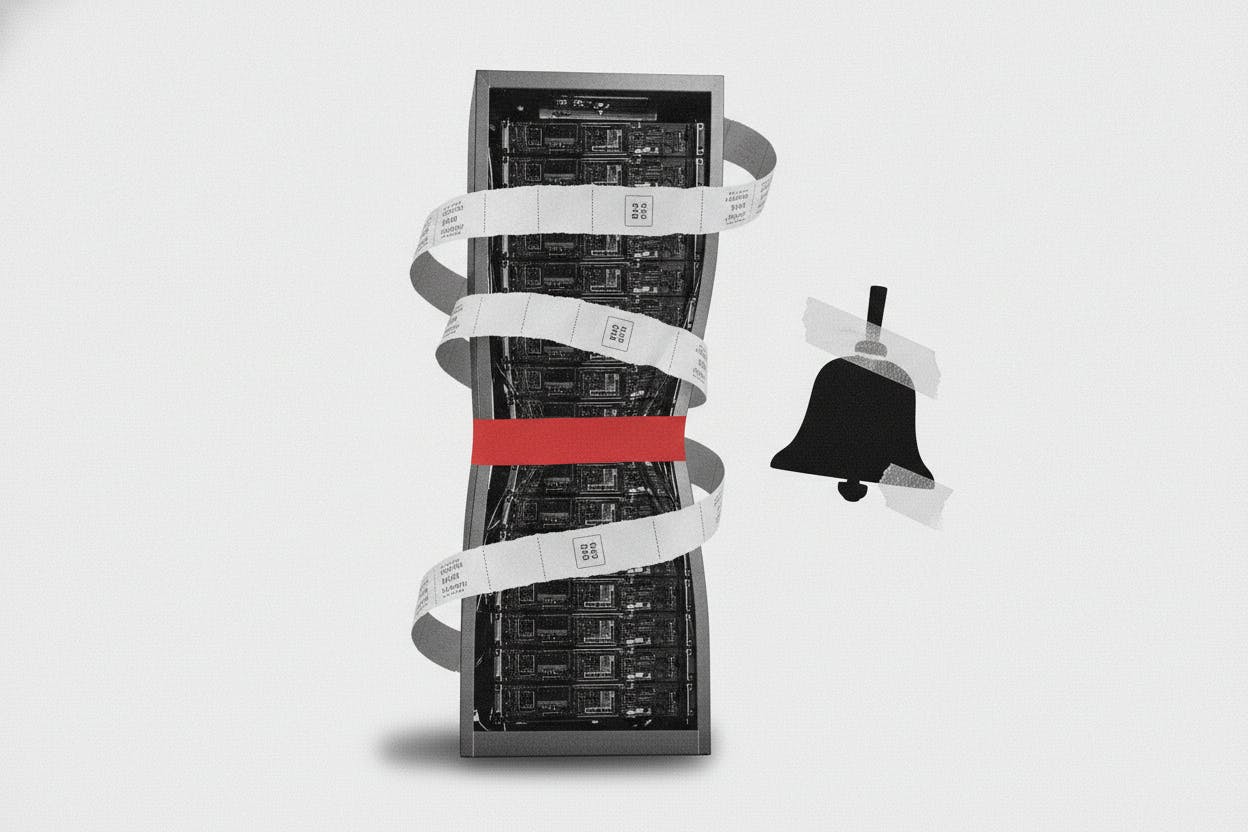
Chinese artificial intelligence startup Moonshot AI has temporarily stopped accepting new consumer subscriptions just days after launching its latest model, Kimi K3, citing overwhelming demand that pushed its computing infrastructure to the limit. The move highlights the intense competition in China's AI sector and the enormous computational resources required to run advanced AI models.
What Happened
Moonshot AI said that within 48 hours of Kimi K3's release, user requests far exceeded expectations, driving the graphics processing units (GPUs) that power the model close to full capacity. GPUs are specialized chips originally designed for rendering graphics but are now essential for training and running AI models because they can handle many calculations simultaneously. The company assured existing paid users that their service would remain uninterrupted while it works to expand capacity.
The startup also indicated that future plans will include tiered offerings, including a version tailored for coding tasks. Coding and so-called “agent” features—where the AI performs multi-step tasks autonomously—tend to generate many repeated model calls, which consume large amounts of costly inference compute, the processing power needed to generate responses from a trained model.
Broader Context
Moonshot AI is one of several Chinese startups racing to develop competitive large language models (LLMs) that can rival US leaders like OpenAI and Anthropic. The company's Kimi K3 model is designed to handle long-context tasks, such as analyzing entire documents or books, and has drawn attention for its performance. However, the surge in demand underscores a persistent challenge for AI companies worldwide: securing enough computing power to meet user needs.
The GPU shortage has been a recurring theme in the AI industry, driven by high demand from both startups and tech giants. Companies like Nvidia, the dominant GPU maker, have struggled to keep up, leading to long lead times and rising costs. In China, the situation is compounded by US export restrictions on advanced chips, which limit access to the most powerful GPUs. This has forced Chinese AI firms to rely on domestic alternatives or less powerful hardware, potentially constraining their ability to scale.
Recent reports suggest that Chinese AI models are closing the gap with US leaders, as noted by prominent venture capitalist Marc Andreessen. However, the compute bottleneck remains a critical hurdle. For context, Meta is reportedly considering a $10 billion AI compute lease deal with Anthropic, highlighting the scale of investment needed to support AI operations.
IPO Plans and Advisers
According to sources familiar with the matter, Moonshot AI has engaged investment banks Goldman Sachs and China International Capital Corporation (CICC) to advise on a potential initial public offering (IPO) in Hong Kong. An IPO would provide the company with additional capital to invest in GPU infrastructure, research, and development, as well as to expand its user base. Hong Kong has become a popular listing venue for Chinese tech companies seeking access to international investors while remaining close to home markets.
The move comes amid a broader trend of Chinese AI startups seeking public listings to fund their growth. However, the path to IPO is not guaranteed, and the company will need to demonstrate a clear path to profitability and sustainable growth to attract investors.
What It Means for Investors
For everyday investors, Moonshot AI's situation illustrates both the promise and the peril of the AI sector. On one hand, the explosive demand for Kimi K3 shows that there is a strong market for advanced AI tools, which could translate into revenue growth for companies that can scale effectively. On the other hand, the compute wall highlights the capital-intensive nature of the business. AI companies must spend heavily on GPUs, data centers, and electricity, which can eat into profits and require constant fundraising.
Investors should watch how Moonshot AI manages its capacity expansion and whether it can secure additional funding or a successful IPO. The company's ability to monetize its user base—through subscriptions, enterprise deals, or other revenue streams—will be key to its long-term viability. The broader AI sector remains highly competitive, with both startups and established tech giants vying for market share.
For those interested in the infrastructure side of AI, companies that supply GPUs, data center cooling solutions, or cloud computing services may benefit from the growing demand. For example, Oppenheimer recently upgraded Ecolab on AI-driven data center cooling demand, and Ingram Micro is poised for strong earnings as enterprise demand holds steady. However, investors should be cautious about valuations and the potential for a shakeout as the industry matures.
Looking Ahead
Moonshot AI's next steps will be closely watched. The company must balance user growth with infrastructure investment, all while navigating geopolitical tensions and supply chain constraints. If it can successfully scale and go public, it could become a bellwether for Chinese AI startups. If not, it may face a difficult road ahead.
For now, the pause in subscriptions is a reminder that even the most promising AI models are only as good as the hardware that runs them. As the industry evolves, the companies that can secure reliable, cost-effective compute will have a significant advantage.