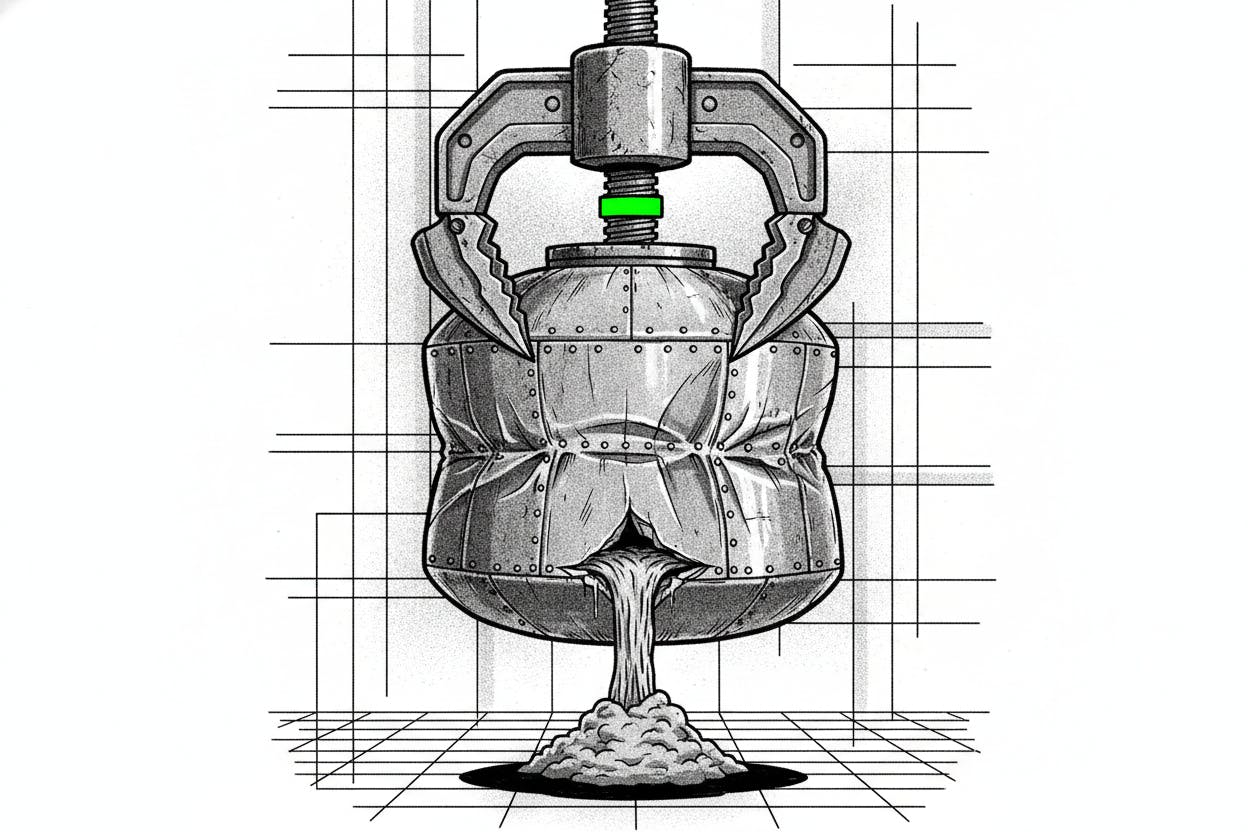
Chinese battery-material buyers are tightening the screws on Indonesian nickel producers by paying significantly less for the cobalt contained in a key EV battery ingredient. According to Reuters, new deals are pricing cobalt in mixed hydroxide precipitate (MHP) at roughly 67% to 70% of the cobalt metal price, down from about 90% just a month earlier.
MHP is an intermediate product made by Indonesian high-pressure acid leach (HPAL) plants. It contains both nickel and cobalt, two metals essential for lithium-ion batteries. When buyers purchase MHP, they negotiate a "payable" rate — the percentage of the reference metal price they will actually pay for each metal. Cobalt has now become the pressure point.
What's driving the lower payables?
Producer sources told Reuters that traders have so far absorbed most of the cut, but the shift is raising concerns as fourth-quarter supply contracts are being negotiated. The lower payables mean HPAL producers receive less revenue for the cobalt they produce, squeezing their margins at a time when nickel prices are already under pressure from oversupply.
Indonesia has become the world's largest producer of nickel, much of it processed through HPAL facilities that also yield cobalt as a by-product. The country's rapid expansion of nickel processing capacity has flooded the market, keeping nickel prices low. Now, cobalt payables are adding another layer of financial strain.
For everyday investors, this is a reminder that commodity markets are not just about the headline price of a metal. The terms of trade — like payables, treatment charges, and refining fees — can be just as important for the profitability of mining and processing companies.
Why cobalt payables matter
Cobalt is a relatively small part of the battery cost compared with nickel and lithium, but it still carries significant value. When buyers push payables down, they effectively capture more of that value for themselves, leaving producers with less.
The shift also reflects the changing balance of power in the battery supply chain. Chinese companies dominate both the refining of battery materials and the production of cathodes, giving them considerable leverage in negotiations with Indonesian producers. As EV demand growth has slowed, buyers are in a stronger position to demand better terms.
This dynamic is not unique to cobalt. Similar pressures have been seen in other battery metals, where oversupply and weak demand have forced producers to accept lower prices and less favorable contract terms. The broader trend is a deflationary force for battery costs, which could eventually translate into cheaper EVs for consumers — but it also means thinner margins for miners and processors.
What it means for investors
For investors in nickel and cobalt producers, the lower payables are a warning sign. Companies that rely heavily on Indonesian HPAL operations may see their earnings come under pressure in the coming quarters. The impact will be most visible when these companies report results tied to fourth-quarter contracts.
On the other hand, lower input costs for battery materials could be a positive for EV manufacturers and battery makers, who have been struggling with high raw material costs. If the trend continues, it could help improve their margins and potentially lower the price of EVs for consumers.
Investors should also keep an eye on the broader commodity market. Nickel prices have been weak for some time, and any further deterioration in producer economics could lead to supply adjustments. In the past, sustained low prices have prompted some higher-cost producers to cut output, which eventually helps rebalance the market.
For those watching the energy transition, this story underscores how complex and interconnected the battery supply chain has become. A shift in cobalt payables in Indonesia can ripple through to EV prices in Europe and the US. It's a useful reminder that commodity investing is not just about supply and demand — it's also about the terms of trade that determine who captures the value.
As fourth-quarter contracts get set in the coming weeks, the outcome of these negotiations will be closely watched by analysts and investors alike. If the lower payables hold, it could signal a new normal for the industry — one where Indonesian producers have less pricing power and Chinese buyers hold more of the cards.
For now, the message is clear: the squeeze on cobalt payables is another sign that the battery metals market remains firmly in buyers' hands.



