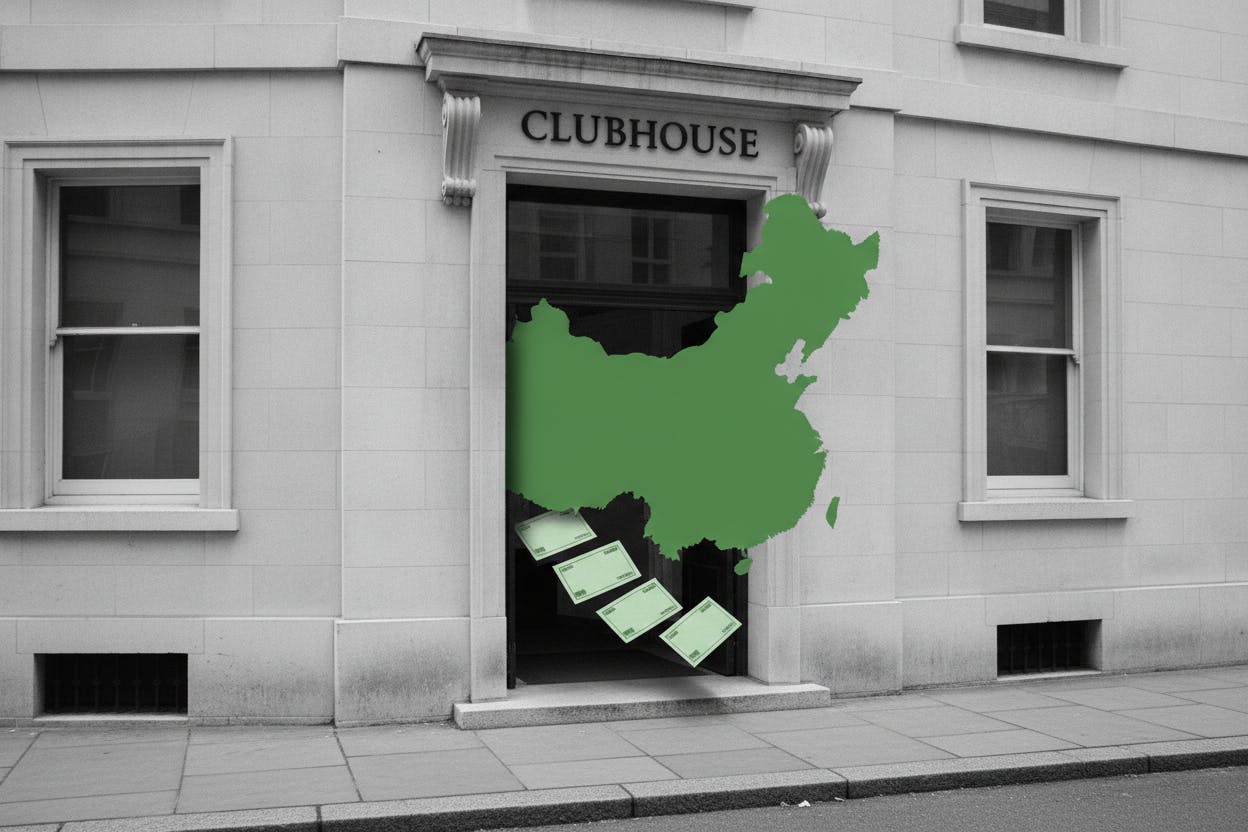
Three of China's largest futures brokerages—Yongan, Orient, and Guotai Junan—are preparing to apply for membership on the London Metal Exchange (LME), according to Reuters. The move signals a broader push by Chinese financial firms to gain a bigger foothold in the global metals market's clearing infrastructure.
The LME, owned by Hong Kong Exchanges and Clearing, is the world's leading venue for pricing and hedging industrial metals like copper, aluminum, and zinc. Last year, the exchange recorded a record 183.3 million futures contracts traded, up 7.7% from 2024. Yet despite China's dominance as the world's largest consumer of industrial metals, only six of the LME's more than 40 clearing members are Chinese entities.
What is a clearing member and why does it matter?
A clearing member on an exchange like the LME does more than just execute trades. It acts as a middleman that guarantees the settlement of every transaction, holds client margin cash, and manages the financial risk of default. In exchange for this service, clearing members collect fees and earn interest on the cash balances clients are required to post as collateral.
That makes clearing a lucrative part of the exchange ecosystem. For Chinese brokerages, becoming a clearing member means they can serve their domestic clients directly, rather than routing trades through non-Chinese intermediaries. That shift could redirect a significant flow of fee income and balance-sheet benefits away from established Western banks and brokers toward Chinese firms.
The pipeline is already moving. Reuters notes that CLSA UK, a subsidiary of China's CITIC Securities, is scheduled to begin trading on the LME on Monday. Separately, Yongan has stated it is seeking a license from the UK's Financial Conduct Authority as a preliminary step toward an LME membership bid.
Why China wants a bigger seat at the table
China's underrepresentation on the LME's clearing roster has long been a point of friction. As the world's top consumer of metals, Chinese companies—from state-owned smelters to private manufacturers—rely heavily on the LME to hedge price risks. But much of that hedging business is currently cleared by non-Chinese members, meaning the economic benefits of that activity flow outside China.
By bringing more clearing in-house, Chinese brokerages can capture those fees and also gain greater control over client relationships and data. It also aligns with Beijing's broader push to internationalize its financial system and reduce reliance on foreign intermediaries.
That ambition, however, has faced headwinds elsewhere. For instance, Italy recently used its "golden powers" to reshape the board of tire maker Pirelli, limiting Chinese influence in a strategic industry. But in the metals market, the LME's ownership by Hong Kong Exchanges and Clearing—itself a Chinese-controlled entity—may give Chinese firms a more welcoming environment.
What it means for investors
For everyday investors, the immediate impact may be subtle, but the long-term implications are worth watching. If Yongan, Orient, and Guotai Junan succeed in joining the LME, the competitive dynamics of metals clearing could shift. More Chinese client flow would likely be cleared by China-linked entities, potentially squeezing the revenue of non-Chinese clearing members.
That could also affect liquidity and pricing in the most China-sensitive contracts on the LME. A larger Chinese presence might lead to tighter spreads and more efficient hedging for Chinese industrial users, but it could also introduce new risks if clearing concentration increases.
Investors with exposure to metals markets—whether through commodity ETFs, mining stocks, or futures—should note that the LME's clearing structure is a critical piece of market plumbing. Changes in who clears trades can influence everything from margin requirements to the cost of hedging. While the membership bids are still in the pipeline, the trend is clear: China wants a bigger seat at the table, and the LME is the place to be.
For broader context, recent moves by China to restrict overseas stock exposure via total return swaps show Beijing's willingness to control capital flows. But in metals, the direction is the opposite—opening up to capture more global business.