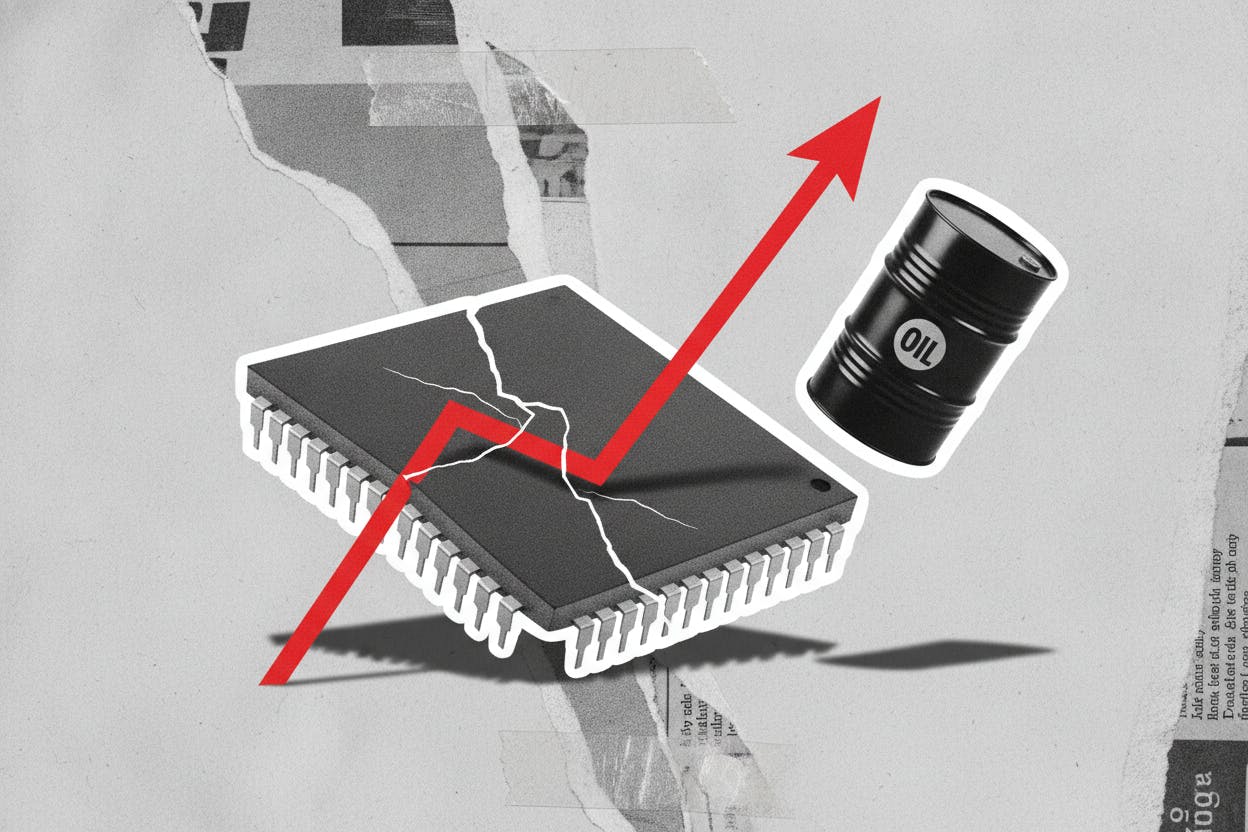
Monday brought a clear shift in market leadership as a climb in U.S. Treasury yields and oil prices pushed investors out of technology stocks and into energy. The move was visible in the exchange-traded funds (ETFs) that many everyday investors use to track broad sectors.
Energy funds were the standout winners, with the Energy Select Sector SPDR Fund and the iShares U.S. Energy ETF each gaining about 3.6%. That rally was fueled by a 3.9% jump in crude oil prices, which also lifted the United States Oil Fund by 5.9%. On the other side, semiconductor ETFs took a sharp hit, with the SPDR S&P Semiconductor ETF falling 2.6%. The tech-heavy Invesco QQQ Trust (QQQ) slipped a more modest 0.3%.
Why yields and oil are moving together
The connection between bond yields and oil prices isn't always obvious, but Monday's action shows how they can reinforce each other. When oil prices rise, they feed into inflation expectations, which can push longer-term Treasury yields higher. Higher yields, in turn, make future earnings from growth stocks—like tech companies—less valuable in today's dollars.
That's why rate-sensitive sectors, especially technology and semiconductors, tend to struggle when yields climb. Chipmakers often trade on expectations of strong future growth, and those expectations get discounted more heavily when the risk-free rate rises. Energy, by contrast, benefits directly from higher oil prices, so it becomes a natural haven for investors looking to ride the commodity wave.
This dynamic has played out repeatedly in recent months, and Monday was a textbook example. Oil jumps and yields climb often leave the broader market mixed, with energy winners and tech losers.
What this means for your portfolio
For everyday investors, the takeaway isn't to chase the day's winners or dump your tech holdings. Instead, it's a reminder that different sectors respond differently to the same macro forces. A portfolio that holds both growth stocks and energy or other value sectors can smooth out the bumps when the market rotates.
If you own broad index funds, you're already exposed to both sides of this trade. The S&P 500, for example, includes energy companies like ExxonMobil and Chevron alongside tech giants like Apple and Microsoft. But if you hold sector-specific ETFs, you'll feel the swings more directly.
It's also worth noting that Monday's move comes as investors are watching inflation data closely. Treasury yields climb as traders await CPI inflation data, and that report could set the tone for markets in the coming weeks. If inflation comes in hot, yields could rise further, putting more pressure on tech. If it cools, the opposite could happen.
Energy's resilience and oil's drivers
The energy sector's strength on Monday wasn't just about yields. Oil prices have been supported by a mix of supply concerns and geopolitical tensions, including worries about shipping through the Strait of Hormuz, a key chokepoint for global crude. Those concerns have kept prices elevated, as Hormuz shipping worries keep oil prices elevated.
For investors, energy ETFs offer a way to tap into that trend without picking individual stocks. But they also come with volatility—oil prices can swing sharply on news, and the sector is sensitive to global economic growth. A slowdown could hit demand and reverse the gains.
Tech's sensitivity to rates
Semiconductor stocks are particularly sensitive to interest rates because they're seen as long-duration assets. That means a large portion of their value comes from earnings expected far in the future. When yields rise, those future earnings are worth less, so the stocks tend to fall.
Monday's 2.6% drop in the semiconductor ETF is a reminder of that dynamic. It's not necessarily a sign that chip companies are doing poorly—many have reported strong earnings recently. Earnings season shines, but AI expectations keep rising, and that's kept valuations high, which makes them more vulnerable to rate moves.
Investors who are heavily weighted in tech might consider whether they're comfortable with that risk. Diversification across sectors, including energy, health care, and consumer staples, can help cushion the blow when rates rise.
What to watch next
The key question is whether Monday's rotation is a one-day blip or the start of a longer trend. That will depend on where yields and oil go from here. If the 10-year Treasury yield keeps climbing, tech could stay under pressure. If oil prices retreat, energy's gains might fade.
For now, the market is sending a clear signal: higher yields and higher oil favor energy over tech. But markets can reverse quickly, and no single day should dictate your long-term strategy. Stay diversified, keep an eye on the data, and remember that sector rotations are a normal part of market cycles.