African markets are heading into Friday with a familiar but uncomfortable combination: long-term US Treasury yields sitting near their highest levels in two decades, and oil prices easing as traders weigh the possibility of US-Iran truce talks against renewed tensions in the Middle East.
The double whammy is a reminder of how sensitive frontier and emerging markets are to shifts in global financial conditions. When the world's benchmark borrowing costs climb, money tends to flow toward safer assets, and riskier ones—like African bonds and currencies—often feel the squeeze.
Why US yields matter so much
A global bond selloff has pushed up longer-dated US government bond yields, which serve as the foundation for borrowing costs around the world. When the so-called risk-free rate rises, investors typically demand higher returns to hold anything riskier, from corporate debt to emerging-market government bonds.
For African nations, that means higher funding costs when they need to borrow internationally, and it can also put pressure on local currencies as foreign investors pull money out. The effect is often more pronounced in frontier markets, which rely heavily on foreign capital to finance budgets and keep exchange rates stable.
This dynamic is playing out across other regions too. Latin American markets are feeling similar pressure, and Asian currencies have slipped as US yields climb. The pattern is global, but the impact is often sharpest where financial buffers are thinnest.
Oil's mixed signal
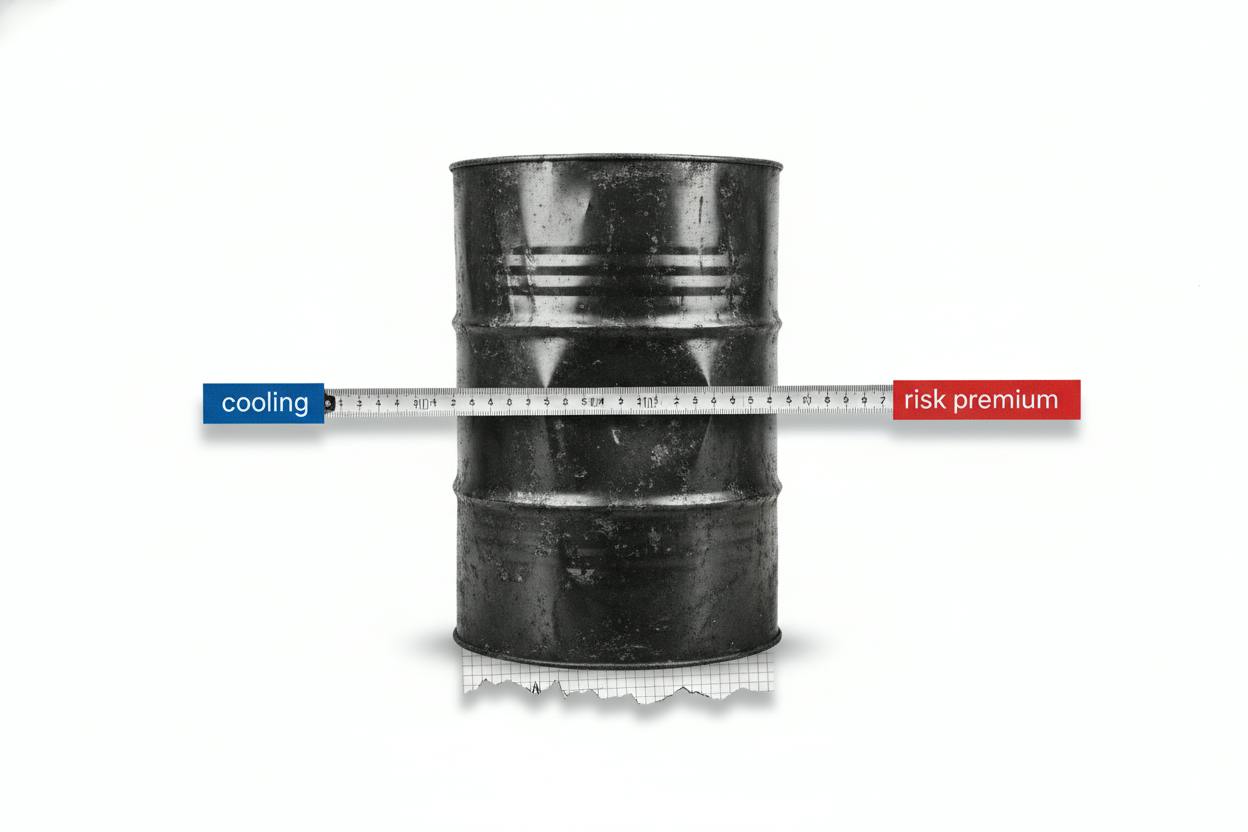
Oil prices have softened on reports that the US and Iran might be moving toward truce talks, which could ease supply concerns. But the situation remains fluid, with renewed Middle East tensions keeping traders on edge. A recent spike in oil to $107 rattled stock markets before talk of a deal calmed things down, illustrating how quickly sentiment can shift.
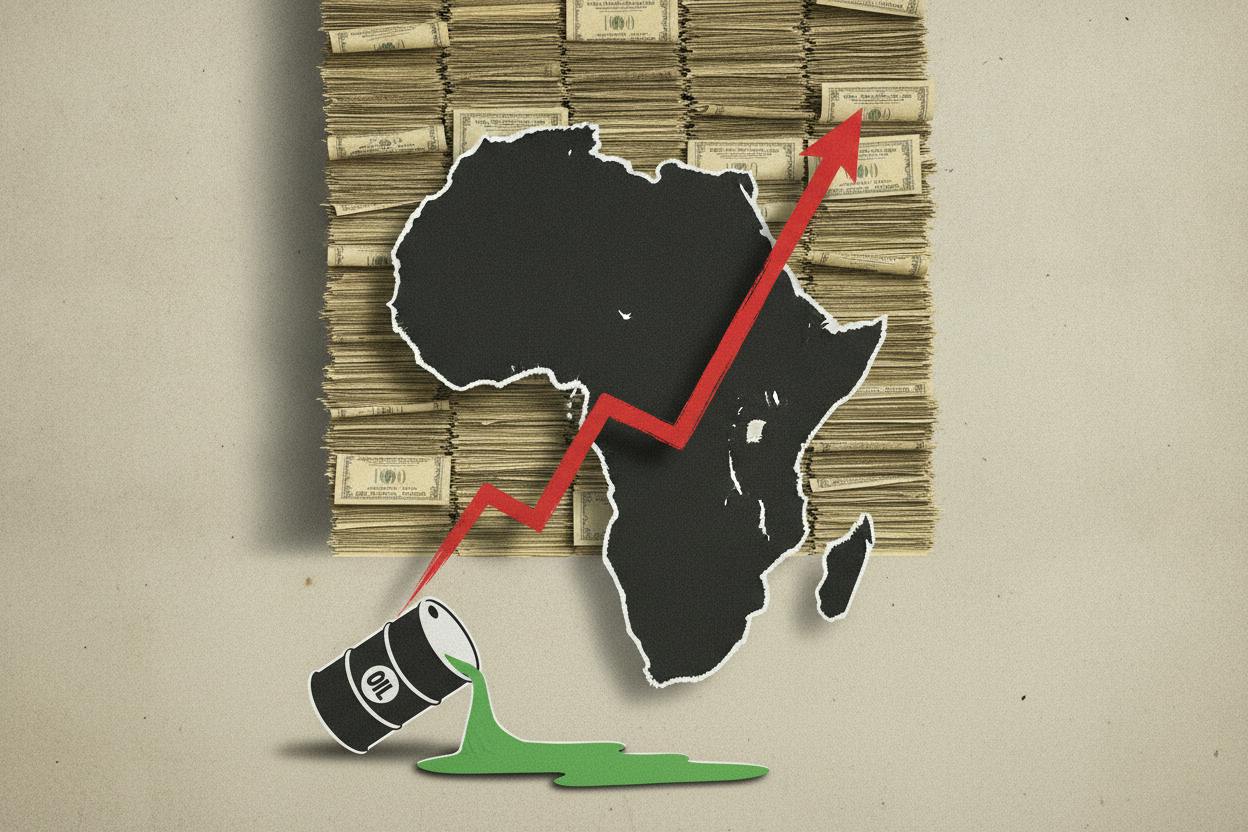
For African economies, lower oil prices are a double-edged sword. Oil-importing nations—like many in East Africa—welcome cheaper energy because it reduces import bills and eases pressure on currencies. But oil exporters, such as Nigeria and Angola, see revenues fall when crude drops. The divergence among East African currencies highlights how energy costs can hit different countries in very different ways.
Ghana holds rates steady
In a notable move this week, Ghana's central bank held its benchmark interest rate at 14%, even as inflation ticked up to 5%. The decision suggests policymakers are trying to balance supporting growth against keeping price pressures in check. Ghana's rate decision comes at a time when many central banks in the region are watching global yields closely, as higher US rates can force them to tighten policy to defend their currencies.
Holding rates steady might help domestic borrowers, but if US yields keep climbing, Ghana and other African nations could face pressure to raise rates to attract foreign capital and prevent currency depreciation.
What it means for investors
For everyday investors, the key takeaway is that global financial conditions are tightening, and that has knock-on effects far beyond Wall Street. When US yields rise, it becomes more expensive for governments and companies in emerging markets to borrow, which can weigh on economic growth and corporate profits.
For those with exposure to African markets—whether through mutual funds, ETFs, or direct investments—this environment calls for caution. Currency risk is a major factor; a weaker local currency can erode returns for foreign investors even if local asset prices hold up.
Oil's direction is another wildcard. If truce talks progress and tensions ease, oil could stay soft, which would be a relief for importers but a drag on exporters. If talks collapse, prices could spike again, reigniting inflation concerns globally.
Investors should also watch how central banks in the region respond. If they are forced to hike rates to defend currencies, that could slow economic activity. Conversely, if they hold steady, they risk capital outflows.
Ultimately, the next few sessions will likely hinge on US Treasury yields and headlines from the Middle East. Both are outside the control of African policymakers, but they will shape the region's market moves in the near term.