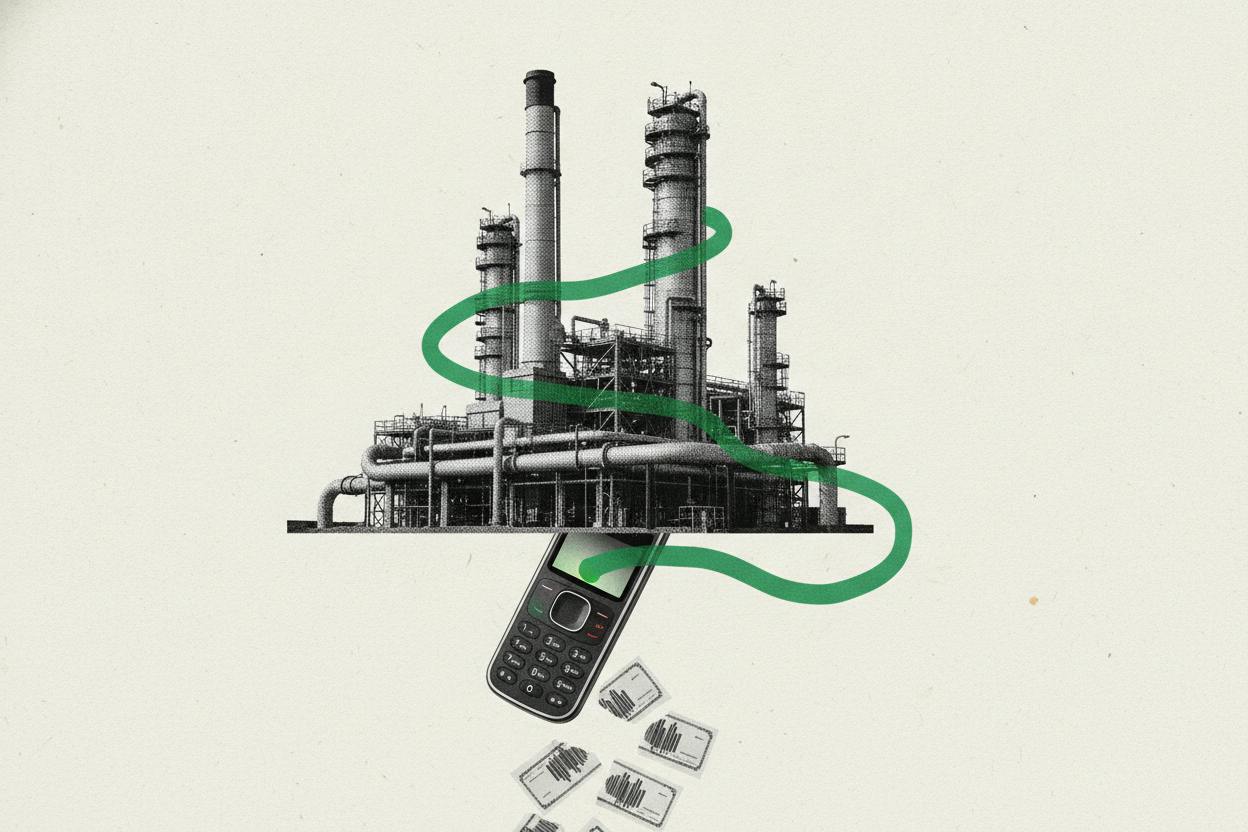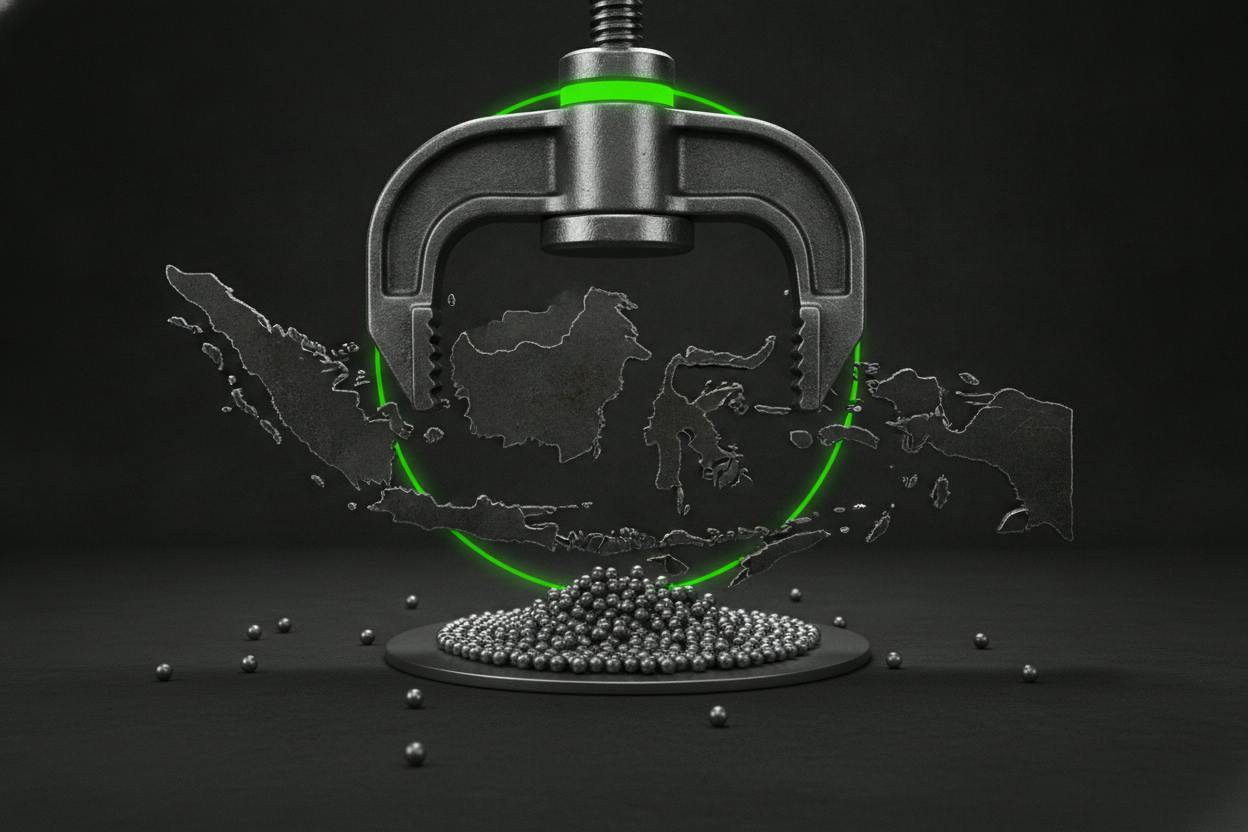
Some of the world's biggest nickel producers are considering a coordinated pullback in Indonesia, a move that could ripple through the global market for the metal used in electric vehicle batteries and stainless steel. According to Bloomberg, Tsingshan Group, CNGR Advanced Material, Lygend Resources, Huayou Cobalt, and GEM have discussed cutting output of mixed hydroxide precipitate (MHP) by half and trimming nickel pig iron (NPI) by 20%. No final decision has been made, and details like timing and duration remain unclear.
The talks come as nickel prices have tumbled from earlier highs. The metal recently traded around $15,070 a ton, down from over $20,000 earlier this year. That drop has squeezed producers, especially those with high operating costs. At the same time, a shortage of sulfur—a key input in nickel processing—has pushed costs higher, adding to the pressure.
Why Indonesia matters for nickel
Indonesia has become the world's dominant nickel producer, thanks to abundant ore and heavy investment from Chinese companies. The country's low-cost operations have helped drive down global prices, but they've also made it the epicenter of supply decisions. When Indonesian producers cut output, it can have an outsized effect on global supply and prices.
The proposed cuts target two different products. MHP is an intermediate product used to make nickel sulfate, which goes into EV batteries. NPI is a lower-grade nickel used mainly in stainless steel. Halving MHP output would be a significant move, potentially tightening supply for battery materials. Cutting NPI by 20% would also reduce stainless steel feedstock.
The backdrop is a double squeeze: falling prices and rising costs. Sulfur shortages have been a particular headache, as tighter environmental rules and supply disruptions have made the chemical harder to source. This has raised production costs just as revenue per ton has dropped, eating into margins.
Indonesia has also tightened ore quotas, which has forced some smelters to look elsewhere for raw materials. As smelters turn to the Philippines for ore, the added logistics and costs only compound the pressure on producers.
What it means for investors
For everyday investors, the key takeaway is that nickel prices may have found a floor—or at least that producers are trying to put one under it. Coordinated output cuts are a classic supply-side response to weak prices. If implemented, they could help stabilize or even lift nickel prices, which would benefit miners and companies with nickel exposure.
However, the talks also signal that the nickel market is under real stress. Prices have fallen sharply, and even major producers are feeling the pinch. That could mean more volatility ahead, especially if the cuts are smaller than expected or if demand from the EV sector slows.
For those with investments in battery supply chains, the potential halving of MHP output is worth watching. A tighter supply of battery-grade nickel could support prices for nickel sulfate and related chemicals, potentially affecting costs for battery makers and, eventually, EV prices.
On the other hand, the nickel market has a history of oversupply, and producers have often been slow to cut output. Even if these cuts go ahead, their impact may be limited if other producers step in to fill the gap. Investors should also keep an eye on broader Indonesian economic signals, such as the weak rupiah and ongoing market concerns, which could affect the country's export competitiveness.
What to watch next
The biggest question is whether these discussions turn into action. Coordinated cuts require cooperation among competitors, which is often difficult to sustain. Investors should watch for official announcements from the companies or industry groups, as well as any data on Indonesian nickel exports in the coming months.
Also worth monitoring is the sulfur market. If shortages ease, production costs could fall, making cuts less necessary. Conversely, if sulfur remains tight, more producers may be forced to reduce output, which could tighten the market further.
For now, the nickel market is in a delicate balance. Producers are signaling they won't accept low prices indefinitely, but the path to recovery is far from certain. As always, diversification and a long-term perspective remain key for investors navigating commodity cycles.