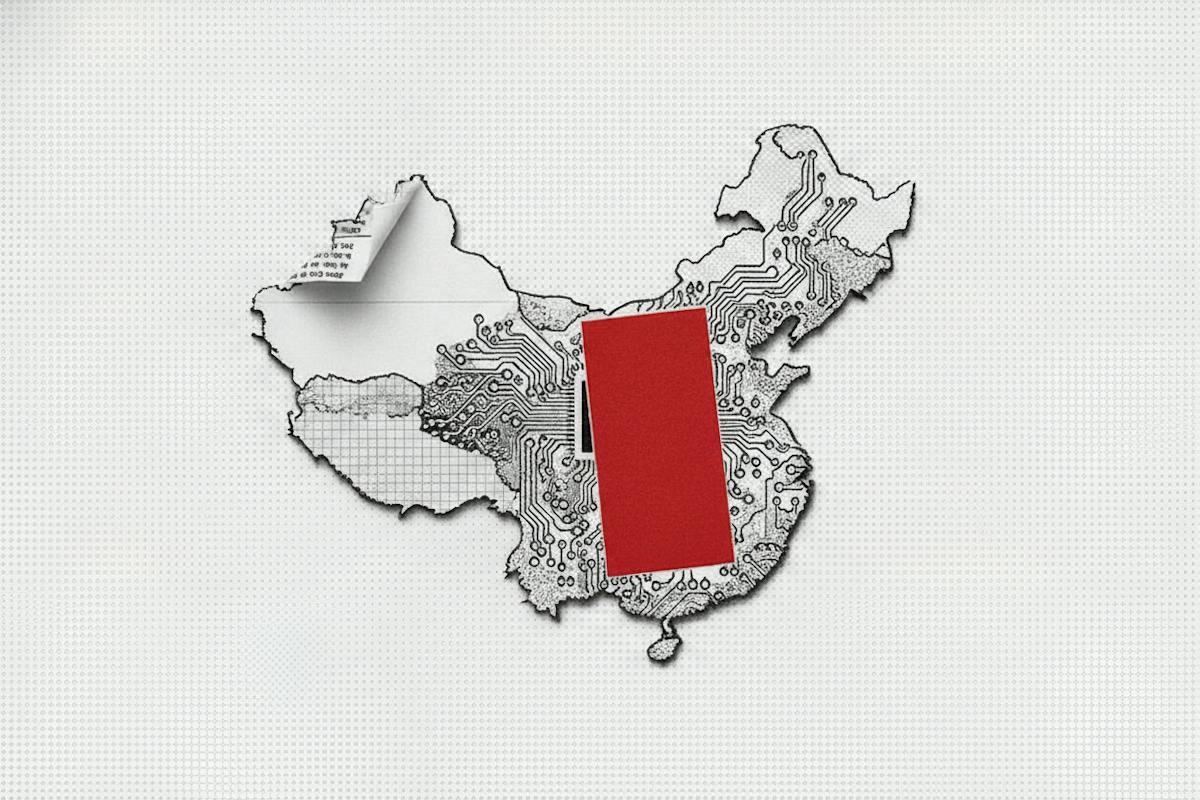
Chinese stocks ended the session with little overall change on Tuesday, as investors digested a fresh US proposal to impose tariffs of up to 25% on Chinese imports. The Shanghai Composite edged up, but the tech-heavy SSE STAR 50 tumbled 5.1%, highlighting the uneven impact of renewed trade tensions.
The muted reaction in the broader market suggests investors are balancing local economic signals against the latest twist in US-China trade policy. The Shenzhen Component also slipped, reflecting caution among traders who have seen this pattern before: tariff threats that may or may not become reality.
What's in the US tariff proposal?
According to the proposal, the US would add levies of up to 25% on goods imported from China, and up to 35% on some imports from other Asian economies. Washington argues that certain policies are creating excess factory output, which it says is flooding global markets with cheap goods.
Beijing pushed back quickly. Foreign Ministry spokesperson Guo Jiakun said that trade wars have no winners, a familiar refrain from Chinese officials during periods of heightened trade friction.
The proposal is not yet law. It would need to go through a formal process, and the final rates and product coverage could change. But the mere possibility of new tariffs is enough to move markets, especially in sectors that are sensitive to trade flows.
Why the tech-heavy index fell so sharply
The SSE STAR 50, which tracks the 50 largest companies on Shanghai's STAR Market—a board designed for science and technology firms—dropped 5.1%. That's a big move for a single session, and it reflects how exposed Chinese tech companies are to both US tariffs and broader global supply chain disruptions.
Many of these firms rely on exports or on components imported from the US and other countries. A 25% tariff could raise costs, squeeze margins, or reduce demand from American customers. The sharp sell-off in the STAR 50 suggests investors are pricing in that risk immediately, even though the tariffs are not yet in effect.
In contrast, the Shanghai Composite's modest gain shows that not all sectors are equally vulnerable. Banks, utilities, and consumer staples—companies that sell mostly domestically—are less affected by trade policy. That divergence is typical in times of trade uncertainty.
What this means for investors
For everyday investors, the key takeaway is that trade tensions remain a live risk for Chinese equities, and for global markets more broadly. When the US and China are at odds over tariffs, volatility tends to rise, and tech stocks often bear the brunt.
If you hold Chinese stocks or funds that track Chinese indices, expect swings. The STAR 50's 5.1% drop is a reminder that high-growth tech companies can fall hard on bad news, even if the broader market holds up.
On the other hand, the Shanghai Composite's resilience suggests that domestic demand and policy support are still providing a floor. Chinese authorities have a range of tools to cushion the economy, from interest rate moves to infrastructure spending, and they have used them in the past.
Investors should also watch how other Asian markets react. The US proposal includes tariffs on some imports from other Asian economies, which could ripple through the region. For context, Asian chip stocks have been volatile recently, and any escalation in trade tensions could hit semiconductor companies across the region.
It's also worth noting that this is not the first time the US has floated tariffs on China. Previous rounds have often been followed by negotiations, delays, or exemptions. So while the proposal is concerning, it is not necessarily a done deal.
What to watch next
Investors will be watching for any official response from Washington, as well as any countermeasures from Beijing. The Chinese government has previously retaliated with tariffs of its own, and that could escalate the situation.
Also on the radar: economic data from China, including factory output and retail sales, which will show whether the domestic economy is strong enough to withstand external shocks. If local demand remains robust, Chinese stocks may be able to shrug off the tariff threat.
For those with a global portfolio, the global market reaction to the tariff plan will be telling. If other markets take the news in stride, it may signal that investors see this as a negotiating tactic rather than a full-blown trade war.
In the meantime, the rebound in Japanese stocks and the recovery in Korean markets suggest that Asian investors are not panicking yet. But the STAR 50's sharp drop is a warning that tech-heavy portfolios remain vulnerable to trade headlines.
For ordinary investors, the best approach is to stay diversified and avoid making sudden moves based on a single day's news. Trade tensions can create opportunities, but they also bring risk. Keep an eye on your long-term goals, and remember that markets have weathered tariff scares before.