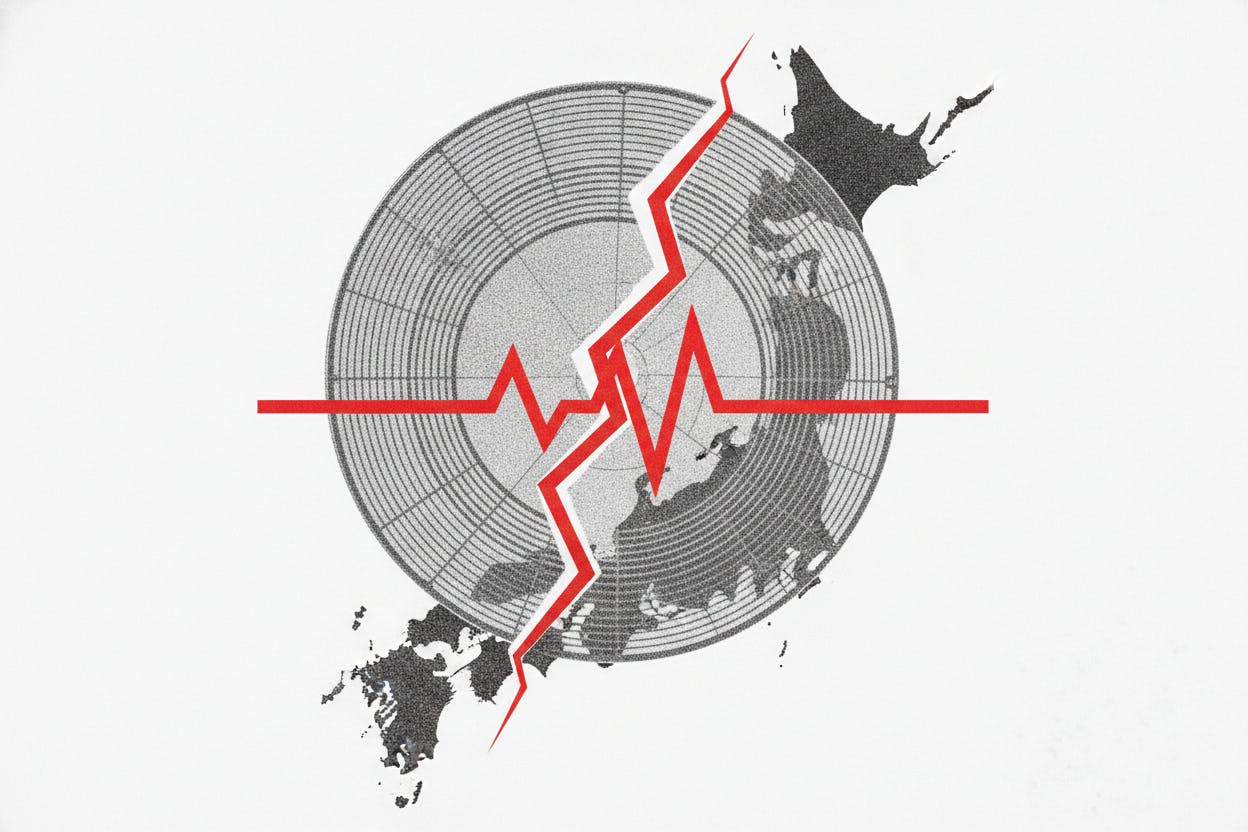
Semiconductor stocks and exchange-traded funds (ETFs) fell on Monday after a strong earthquake in Japan's Kumamoto prefecture forced Taiwan Semiconductor Manufacturing Company (TSMC), the world's largest contract chipmaker, to evacuate staff and pause some work at its Japan Advanced Semiconductor Manufacturing (JASM) site.
The quake, which struck the southern Japanese island of Kyushu, triggered temporary evacuations and a suspension of operations at the facility, which is a key part of TSMC's global expansion strategy. The company said it was assessing the impact on equipment and production, but the news was enough to rattle investors already on edge about supply chain vulnerabilities in the semiconductor industry.
What happened at the JASM plant?
TSMC's JASM subsidiary operates a chip fabrication plant in Kumamoto, a region that has become a hub for semiconductor manufacturing in Japan. The facility, which began mass production of logic chips in late 2024, is a joint venture with Japanese electronics giant Sony and automotive supplier Denso. It produces chips used in everything from smartphones to cars.
After the earthquake, TSMC said it evacuated workers from the cleanroom as a safety precaution and halted some equipment to prevent damage. The company is now inspecting the facility to determine whether any tools or wafers were affected. While TSMC has not yet provided a timeline for resuming full operations, similar disruptions in the past have often led to short-term production delays.
The broader semiconductor industry is highly sensitive to natural disasters because chip fabrication requires ultra-precise conditions and any interruption can ruin batches of wafers or damage expensive equipment. The Kumamoto region is no stranger to seismic activity, and TSMC has built its facilities to withstand earthquakes, but the risk of disruption remains a constant concern for investors.
Market reaction and broader context
Following the news, several semiconductor ETFs, including the iShares PHLX Semiconductor Sector Index Fund (SOXX) and the VanEck Semiconductor ETF (SMH), slipped in early trading. Individual chip stocks also came under pressure, with TSMC's American depositary receipts (ADRs) falling alongside shares of other major chipmakers.
The decline comes at a delicate time for the sector. Chip stocks have been on a rollercoaster ride in 2025, driven by the boom in artificial intelligence (AI) computing, which has fueled demand for advanced processors, and by ongoing geopolitical tensions that threaten supply chains. Investors are also watching the Federal Reserve's next interest rate decision, which could affect the cost of capital for tech companies and the broader economy. For more on how rate decisions are shaping markets, see our coverage of stocks holding steady ahead of the Fed.
In Japan, the Nikkei index slid 1.5% as chip stocks retreated, reflecting the market's sensitivity to any disruption in semiconductor production. The quake's impact was felt across Asian markets, with Asian ADRs slipping as well.
What it means for investors
For everyday investors, the immediate takeaway is that supply chain disruptions in the semiconductor industry can cause short-term volatility in chip stocks and ETFs. However, it's important to put this event in perspective. TSMC's Kumamoto plant is just one of many facilities the company operates globally, and the company has a strong track record of recovering quickly from natural disasters.
That said, the incident highlights a broader risk: the concentration of advanced chip manufacturing in a few geographic regions that are prone to earthquakes, typhoons, or geopolitical instability. TSMC's main factories in Taiwan are also in a seismically active zone, and any major disruption there would have far-reaching consequences for the global tech supply chain.
Investors should also note that the semiconductor industry is cyclical, and short-term shocks like this one can create buying opportunities for those with a long-term horizon. But they can also exacerbate existing concerns about inflation and interest rates, as chip shortages can push up prices for electronics and cars. For a deeper look at how energy and geopolitical events are moving markets, check out our article on oil surging on US-Iran tensions.
In the coming days, the key things to watch are TSMC's official update on the extent of the damage and any impact on its production targets. If the disruption is minor, the sell-off could be short-lived. If it leads to significant delays, it could add to the pressure on chip supply just as demand from AI and automotive sectors remains strong.
Meanwhile, UK regulators have opened a probe into Microsoft 365 pricing changes, adding another layer of uncertainty for tech investors. But for now, the earthquake in Kumamoto is the main story driving chip stocks lower.