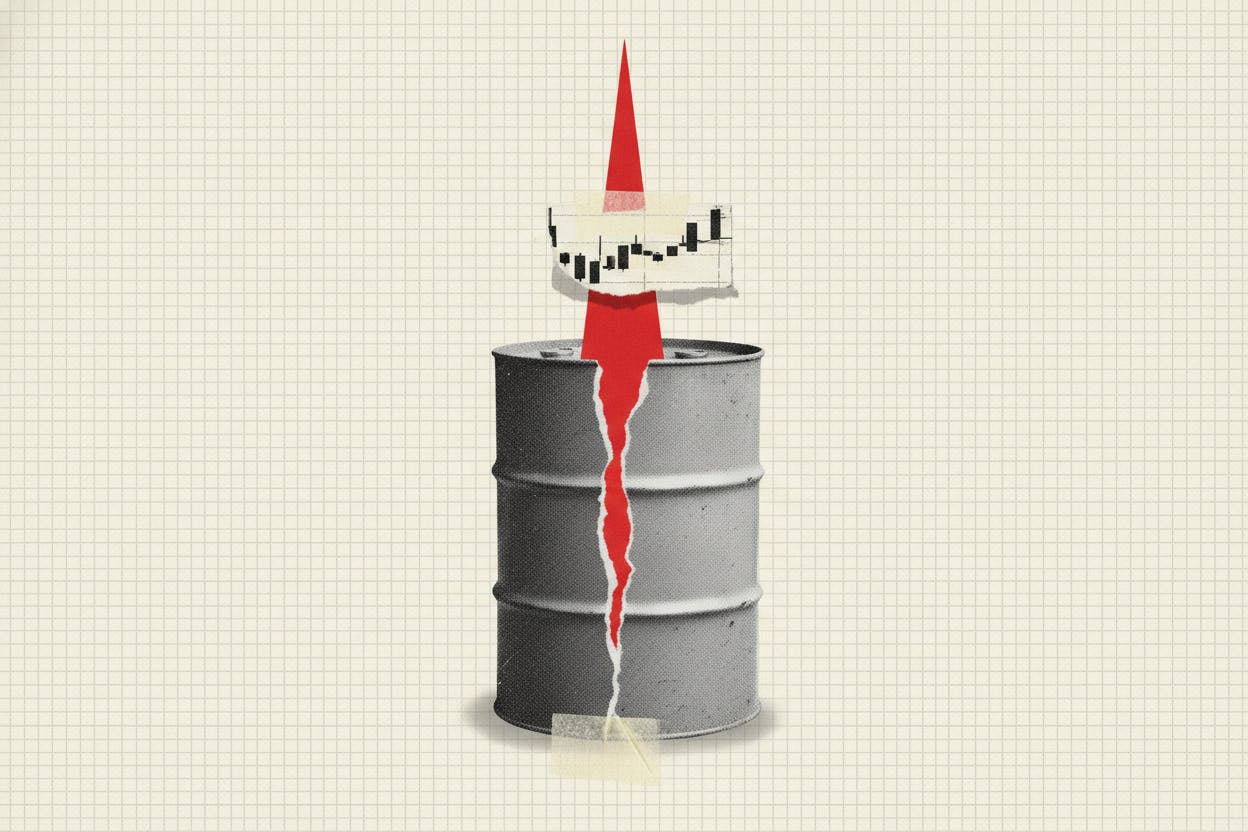
Oil prices surged on Wednesday after escalating US-Iran tensions raised fears of supply disruptions in the Middle East. Front-month West Texas Intermediate (WTI) crude jumped 6.7% to $84.54 a barrel, while Brent crude, the international benchmark, rose 7.6% to $90.45. The move came after President Donald Trump warned Iran “will be hit hard” in an interview with Fox News, and US Central Command confirmed it had carried out strikes in Iraq targeting Iran-aligned groups.
What triggered the spike?
Geopolitical events can move oil prices quickly because traders must reassess the risk that production or shipping routes could be disrupted. The latest escalation follows a period of relative calm in oil markets, where prices had been hovering around $80 for WTI. Trump’s warning and the confirmed US strikes in Iraq signaled a more aggressive posture toward Iran, a major oil producer and a key player in the Strait of Hormuz, through which about 20% of the world’s oil passes.
US Central Command said the strikes were aimed at facilities used by Iran-aligned militias, but the broader implication for investors is that any conflict involving Iran could threaten oil supplies from the wider region. The market’s reaction was immediate and sharp, with both WTI and Brent posting their biggest single-day gains in months.
Energy stocks ride the wave
Equity markets quickly reflected the oil price jump. The Energy Select Sector SPDR ETF (XLE), a broad basket of large US energy companies, gained 2% as investors piled into the sector. Major oil producers like Exxon Mobil and Chevron saw their shares rise, while smaller exploration and production companies also benefited. The rally was not limited to US markets: European energy stocks also surged, with Eni and Equinor jumping 6% even as broader European indexes stayed flat.
However, not every corner of the energy sector moved in lockstep. Refiners, which buy crude oil as a raw material, may face margin pressure if feedstock costs rise faster than fuel prices. Meanwhile, renewable energy stocks, such as Bloom Energy, were largely unaffected by the oil move, as their fortunes are tied more to data center demand and clean energy policy than to crude prices.
What it means for investors
For everyday investors, a sudden oil spike like this can have ripple effects across portfolios. Higher oil prices tend to boost energy stocks and ETFs, but they can also weigh on other sectors. Transportation companies, airlines, and logistics firms face higher fuel costs, which can eat into profits. Consumer goods companies may also feel the pinch if rising gasoline prices reduce household spending power.
The broader market felt the tension: stocks dipped as the oil surge added to uncertainty ahead of a Federal Reserve rate decision. The S&P 500 and Nasdaq both edged lower, as investors weighed the dual pressures of geopolitical risk and monetary policy. In Canada, the TSX slipped 0.6%, though energy stocks there also gained, providing a partial offset.
Investors should also watch for potential knock-on effects in other markets. Higher oil prices can stoke inflation, which may influence the Fed’s interest rate decisions. If crude stays elevated, it could complicate the central bank’s efforts to bring inflation down without hurting economic growth. For now, the market is pricing in a higher probability that the Fed will hold rates steady at its upcoming meeting, but the oil spike adds a new variable.
What to watch next
The key question for oil markets is whether this price jump is a temporary spike or the start of a sustained rally. That depends largely on whether the US-Iran tensions escalate further. If diplomatic channels reopen or the strikes remain limited, oil prices could quickly retreat. But if the conflict widens, particularly if it threatens shipping through the Strait of Hormuz, prices could move significantly higher.
Investors should also keep an eye on inventory data from the US Energy Information Administration (EIA), which provides weekly updates on crude stockpiles. A drawdown in inventories would add further upward pressure on prices, while a build could signal that supply is ample despite the geopolitical noise.
For those with exposure to energy stocks, the rally may offer a short-term boost, but it also carries risk. Geopolitical events are notoriously hard to predict, and oil prices can reverse just as quickly as they rise. Diversification remains a key principle: energy stocks can be a useful hedge in a portfolio, but overconcentration in any one sector leaves investors vulnerable to sudden shifts.
In the meantime, the oil market’s attention will remain fixed on the Middle East, where every statement and military move can move prices. As always, the best approach for long-term investors is to stay informed, avoid knee-jerk reactions, and keep a balanced portfolio that can weather both calm and stormy markets.