CIBC is sticking with its view that the Canadian dollar will gradually climb, but the bank is also warning that two fresh risks could knock the loonie off course in the near term.
In a note released Tuesday, CIBC Capital Markets, the bank's investment arm, said its bullish stance on the Canadian dollar still rests on expectations that the US dollar will soften as investors dial back bets on further Federal Reserve rate hikes. At the same time, the bank expects Canada's interest rate outlook to slowly normalize, which should support the currency over time.
What's driving the loonie's outlook?
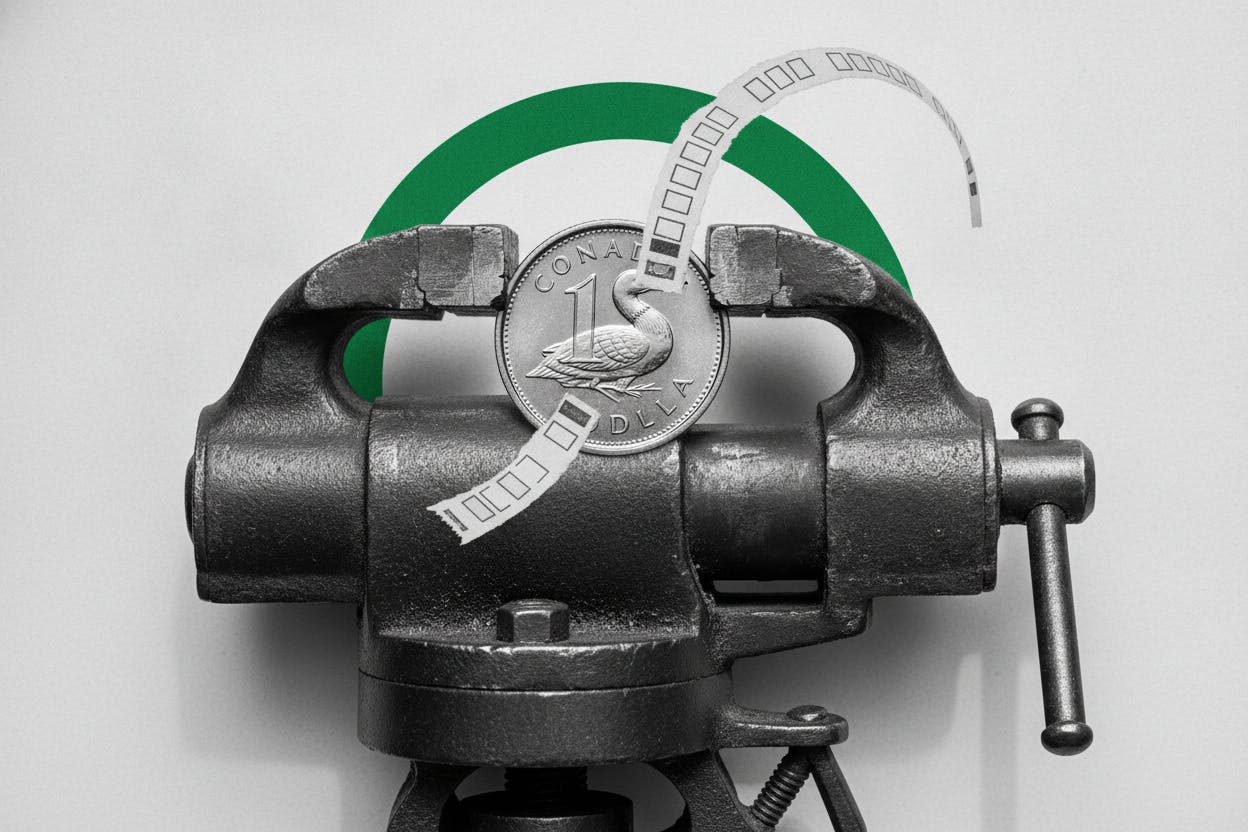
The Canadian dollar, often called the loonie after the bird on the $1 coin, has been under pressure for much of the past year as the US dollar strengthened on the back of higher US interest rates. But CIBC believes that dynamic is shifting. If the Fed holds rates steady while other central banks, including the Bank of Canada, eventually ease, the interest rate gap between the two countries could narrow, making the Canadian dollar more attractive.
CIBC's call is not new—it has been predicting a firmer loonie for some time—but the bank is now highlighting two specific risks that could cause short-term volatility.
Tariff talks and Middle East tensions
The first risk is trade. Negotiations over tariffs are set to continue ahead of an Aug. 19 deadline. Any escalation in trade tensions could hurt the Canadian economy, which relies heavily on exports, and weigh on the currency. Markets dislike uncertainty, and a breakdown in talks could quickly reverse any gains.
The second risk is geopolitical. Renewed tensions in the Middle East, particularly around the Strait of Hormuz, have already pushed oil prices higher. While Canada is a major oil exporter, which can benefit from higher crude prices, the broader risk to global markets and investor sentiment could overshadow that positive. As oil climbs on Hormuz attacks, the impact on the loonie is not straightforward.
CIBC's note echoes a broader theme in currency markets: the US dollar has been wavering as traders brace for a heavy US data day, with many investors unsure about the Fed's next move. If upcoming data suggests the Fed is done hiking, the dollar could weaken further, giving the loonie a boost.
What it means for investors
For everyday investors, a stronger Canadian dollar has mixed implications. If you hold US stocks or funds, a firmer loonie means your foreign returns are worth less when converted back to Canadian dollars. On the other hand, if you travel to the US or buy imported goods, a stronger loonie gives you more purchasing power.
For those with investments in Canadian companies, a stronger currency can be a headwind for exporters, as their goods become more expensive for foreign buyers. However, it can benefit companies that import materials or have costs in US dollars.
The key takeaway from CIBC's note is that the trend is still your friend—the bank expects the loonie to firm gradually—but the path may be bumpy. Tariff headlines and geopolitical events can cause sharp, short-term moves, so investors should be prepared for volatility.
As always, it's important to remember that currency forecasts are just one piece of the puzzle. No one can predict exchange rates with certainty, and even the most well-reasoned calls can be wrong. Diversification and a long-term perspective remain the best tools for navigating currency risk.
CIBC's view also comes as other Canadian banks are watching the labour market closely. RBC sees Canada's job market steadying ahead of the July employment report, which could influence the Bank of Canada's rate decisions. A stable job market might give the central bank room to hold rates, which would support the loonie.
In the meantime, investors will be watching the Aug. 19 tariff deadline and any developments in the Middle East. Both have the potential to move the currency in either direction, and CIBC's warning is a reminder that even the most confident forecasts come with caveats.