Circle, the company behind the USDC stablecoin, reported higher second-quarter revenue even as the yield it earns on the assets backing the token declined. The results show that growth in circulation can offset pressure from falling interest rates.
How Circle makes money
Circle earns most of its revenue from what it calls “reserve income” — the interest generated on the cash and short-term U.S. Treasury bills that back every USDC in circulation. When interest rates are high, that income is substantial. But when rates fall, the yield on those reserves shrinks, which can squeeze revenue.
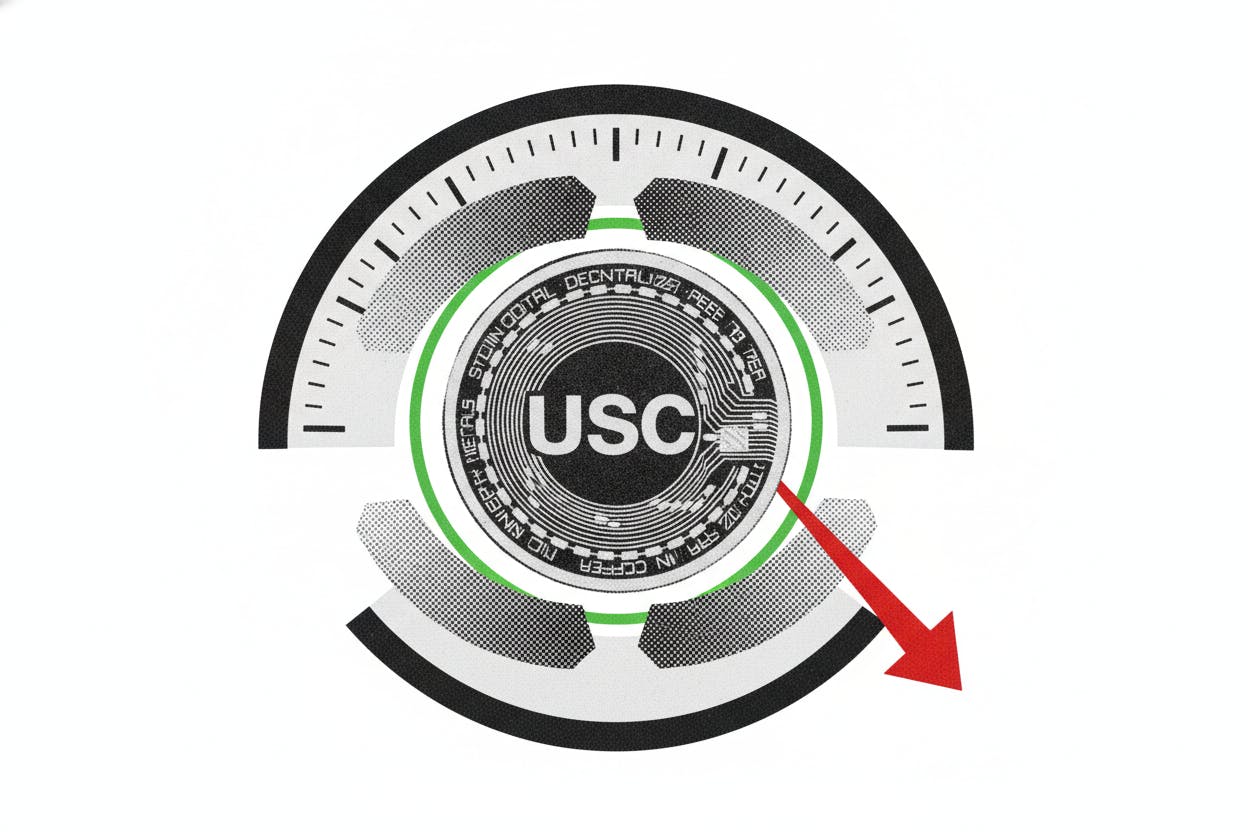
In the quarter ended June 30, Circle said its reserve return rate dropped by 66 basis points to 3.5%. A basis point is one-hundredth of a percentage point. That decline reflects the broader move in short-term interest rates, which have been easing as the Federal Reserve signals a shift toward lower borrowing costs.
Despite that headwind, Circle’s total revenue rose 7% to $701.3 million. The key was scale: USDC circulation climbed 19% to $73.3 billion. More USDC in circulation means more reserves earning interest, even at a lower rate.
Onchain activity surges
Circle also highlighted a sharp jump in onchain transaction volume, which rose 151% year-over-year. Onchain transactions are transfers of USDC that are recorded directly on blockchain networks, as opposed to off-chain settlements. The surge suggests growing use of USDC for payments, trading, and other decentralized finance activities.
Stablecoins like USDC are designed to maintain a 1:1 value with the U.S. dollar. They are widely used as a bridge between traditional money and digital assets, and as a way to move funds quickly without the delays of conventional banking.
Circle’s results come at a time when the stablecoin market is becoming more competitive. Rivals like Tether’s USDT remain larger, but USDC has gained ground in regulated markets and in areas like institutional finance.
What it means for investors
For everyday investors, Circle’s numbers offer a window into the economics of stablecoins. The company’s revenue is closely tied to interest rates, which means its earnings can be volatile as the Fed adjusts policy. When rates are high, stablecoin issuers can earn generous returns on their reserves; when rates fall, that income shrinks.
Circle is not publicly traded, but it has filed for an initial public offering. That means its financials are becoming more visible, and investors may eventually get a chance to own a piece of the company. For now, the key takeaway is that growth in circulation can help offset lower yields, but the business remains sensitive to the direction of interest rates.
Stablecoins also carry regulatory risk. Lawmakers and regulators have been debating how to oversee the industry, and new rules could affect how issuers manage reserves or operate. Circle has positioned itself as a regulated player, which could be an advantage if stricter rules are adopted.
For those watching the broader crypto market, USDC’s growth is a sign that demand for dollar-pegged digital assets remains strong, even as the overall crypto market experiences ups and downs. The rise in onchain activity also points to deeper integration of stablecoins into the financial system.
As the Fed continues to signal potential rate cuts, investors will be watching whether Circle can maintain its revenue growth. The company’s ability to expand circulation will be a key factor, as will its success in winning new users and use cases.
In the meantime, the second-quarter results show that Circle is navigating a tricky environment: lower yields, but higher volume. That balance will be tested further if interest rates keep falling.