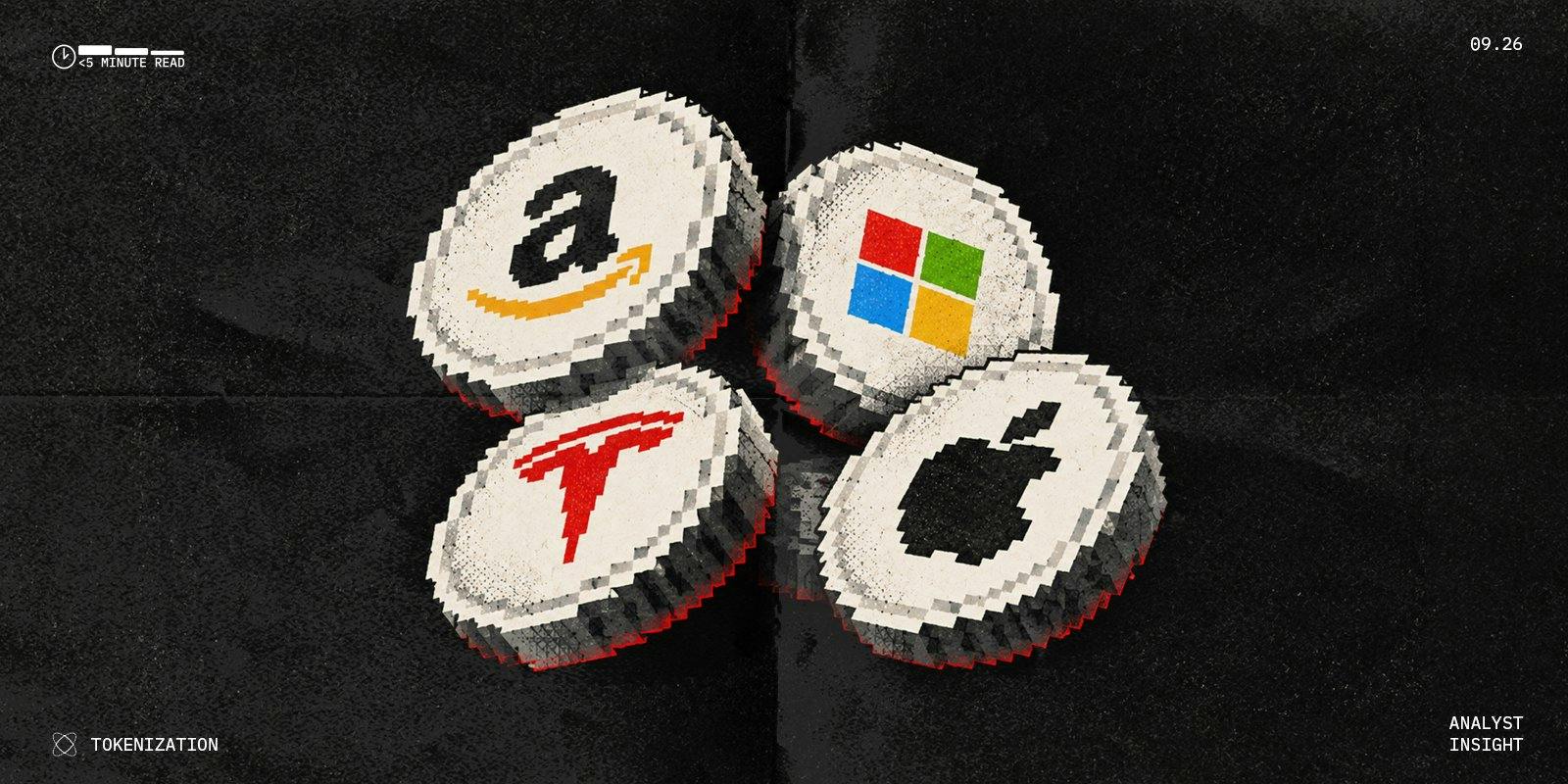
Wall Street is getting serious about tokenization. BlackRock and Franklin Templeton, two of the world's largest asset managers, already have funds running on blockchain rails. A growing crop of platforms is promising investors easier access to everything from stocks to private markets. But as this technology moves from the fringes to the mainstream, it's worth pausing to ask: what exactly are you buying?
What tokenization is, and why it's taking off now
Tokenization means taking ownership of an asset—a share, a fund, a building—and recording it as a digital token on a blockchain. Instead of a paper certificate or a line in a broker's database, your ownership is tracked on a shared digital ledger. The token represents your claim to the underlying asset.
The idea has been around for years, but it's gaining momentum now for a few reasons. Big financial institutions have spent years testing the technology and are starting to move real money onto it. BlackRock and Franklin Templeton have launched tokenized funds, and a wave of startups is building platforms to trade tokenized versions of stocks, bonds, and even private companies.
The appeal is straightforward: smaller minimums, faster trading, and investments that were once reserved for the wealthy suddenly within reach. Instead of needing thousands of dollars to buy into a private equity fund or a real estate trust, you might be able to buy a token for a fraction of the price. And because blockchain transactions can settle in minutes rather than days, trading could become quicker and cheaper.
The promise vs. the reality
But easier to buy doesn't always mean better to own. Tokenization can change how an asset is traded, but it doesn't change what the asset is. A tokenized share of a company is still a share of that company—with the same risks, the same volatility, and the same dependence on the company's performance. A tokenized fund is still a fund, with its own fees and strategies.
There are also important questions about what you actually hold. In some cases, the token is a direct representation of the asset, and you have legal ownership. In others, the token might be a claim on a fund that holds the asset, adding a layer of complexity. If the platform or the issuer runs into trouble, your rights could be less clear than with a traditional brokerage account.
Regulation is another wildcard. Tokenized assets are still new, and the rules governing them are evolving. Some platforms operate under exemptions or in jurisdictions with lighter oversight. That means investor protections that you take for granted with a regular stock purchase—like SIPC insurance or clear disclosure requirements—may not apply in the same way.
What tokenization could genuinely do for your portfolio
Despite the caveats, tokenization has real potential. For everyday investors, the biggest benefit is access. Private markets—like venture capital, private equity, and real estate—have historically been closed to all but the wealthiest. Tokenization could open those doors, letting you diversify into assets that were previously out of reach.
It could also make trading more efficient. Blockchain-based settlement can reduce the time and cost of moving assets, which might translate into lower fees and faster execution. And because tokens can be divided into tiny fractions, you could invest smaller amounts than ever before.
But those benefits come with new risks. The technology is still young, and there have been high-profile failures and hacks in the crypto world. The platforms offering tokenized assets are often startups, which carry their own risks. And the market for these tokens can be thin, meaning you might not be able to sell when you want to.
What to check before you buy into the hype
If you're considering a tokenized investment, here are a few things to look at:
- What exactly do you own? Is the token a direct claim on the asset, or is it a claim on a fund that holds the asset? Read the fine print.
- Who is the issuer? Is it a regulated institution like BlackRock or Franklin Templeton, or a lesser-known startup? Reputation matters.
- What are the fees? Tokenization can add layers of costs, from platform fees to blockchain transaction fees. Compare them to traditional options.
- How liquid is the market? Can you actually sell your token when you need to? Thin markets can leave you stuck.
- What protections exist? Check whether the investment is covered by any investor protection schemes, and understand the regulatory status.
Tokenization is not a magic bullet. It's a new way to hold assets, not a new kind of asset. The same rules of investing apply: understand what you're buying, know the risks, and don't put money into something you don't fully grasp.
The bottom line for investors
As tokenized stocks and funds become more common, they could reshape how ordinary people invest. But the hype is ahead of the reality in many ways. The technology is promising, but the infrastructure—regulation, legal clarity, and market depth—is still catching up.
For now, the smart approach is to treat tokenized investments with the same skepticism you'd apply to any new product. Do your homework, ask tough questions, and remember that easier access doesn't mean better outcomes. The market is evolving, and the opportunities will grow—but so will the need for careful due diligence.
As always, keep an eye on the broader market context. Tokenization is just one of many forces shaping your portfolio. For a sense of how global markets are moving this week, check out our coverage of the pivotal week ahead for stocks, and see how German stocks are reacting to oil risks. And if you're watching the crypto space, note that tokenized assets are a different beast from cryptocurrencies—our coverage of ADRs shows how traditional markets still dominate.