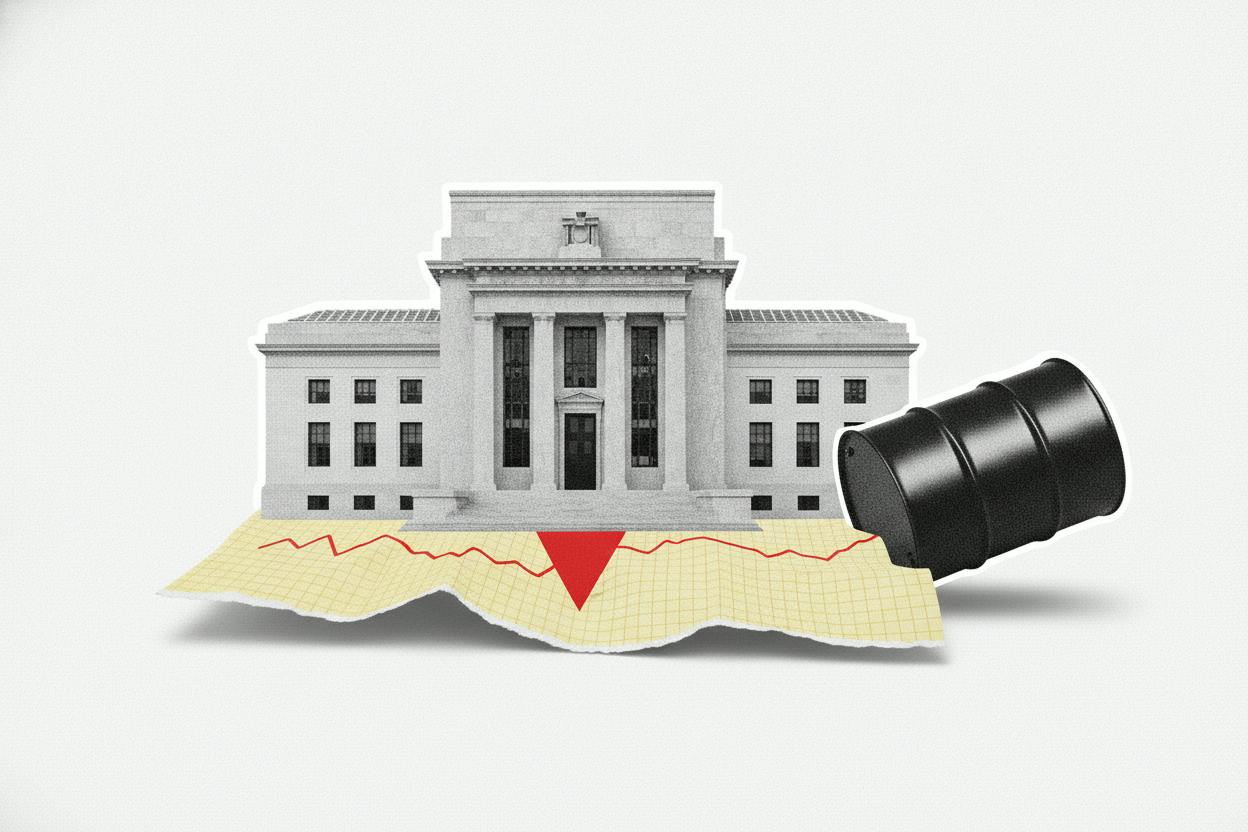
US stocks are heading into a pivotal week, with investors bracing for a widely expected Federal Reserve rate hike on Wednesday while also tracking fresh retail sales data and renewed concerns about oil supply from the Middle East. The combination of monetary policy, consumer spending, and geopolitical risk is set to test the market's recent resilience.
The Fed's expected move
The centerpiece of the week is the Federal Reserve's interest-rate decision, due Wednesday. Markets have largely priced in a 25-basis-point hike, which would raise the benchmark rate to a range that reflects the central bank's ongoing battle against inflation. Alongside the decision, the Fed will release its updated Summary of Economic Projections, and Chair Kevin Warsh will hold a press conference to explain the committee's thinking.
Derek Holt, an economist at Scotiabank, argues that the quarter-point hike is the Fed's "strongest argument" for delivering it, right or wrong. He also warns that skipping a hike could undermine the Fed's credibility, making investors less likely to take its hawkish guidance seriously. In other words, the Fed may feel compelled to follow through on its signaled path to maintain its influence over market expectations.
Retail sales and the consumer
Also on the calendar are US retail sales figures, which will offer a fresh snapshot of consumer spending. Retail sales are a key gauge of economic health, as consumer spending drives a large portion of US economic activity. Strong numbers could signal that households remain resilient despite higher borrowing costs, while weak data might raise concerns about a slowdown.
For investors, the retail sales report matters because it can influence the Fed's future rate decisions. If spending stays robust, the central bank may feel more comfortable keeping rates higher for longer. Conversely, a sharp pullback could fuel expectations of rate cuts later this year.
Iran and oil supply risks
Adding to the uncertainty are renewed worries about oil supply from the Middle East, particularly related to Iran. Geopolitical tensions in the region have the potential to disrupt crude flows, which would push energy prices higher. Rising oil prices can feed into inflation, complicating the Fed's task and squeezing consumers' budgets.
These concerns come amid a backdrop of already elevated oil prices, with Brent crude recently topping $107 as shipping risks in the Red Sea lifted tanker costs. Any further escalation could have ripple effects across global markets, from energy stocks to airlines and other fuel-sensitive sectors.
Earnings provide a cushion
Despite the headwinds, the S&P 500 has been supported by a strong earnings season. Many companies have beaten analyst expectations, giving investors reason to stay optimistic about corporate profitability. Solid earnings can help offset concerns about valuation and monetary policy, providing a floor under stock prices.
However, the market's reaction to earnings has been mixed, with some stocks selling off even after beating estimates, as investors focus on forward guidance. The coming weeks will show whether the earnings momentum can continue to outweigh macro risks.
What it means for investors
For everyday investors, this week's events underscore the importance of staying diversified and prepared for volatility. A Fed hike is largely expected, but the tone of the press conference and the updated projections could move markets. Retail sales data will offer clues about the consumer's health, and any escalation in Middle East tensions could send oil prices higher, affecting everything from gas prices to inflation expectations.
Investors should also keep an eye on how other central banks are responding. For instance, the Bank of England is expected to hold rates at 3.75% while slowing its bond runoff, a sign that global policymakers are treading carefully. Meanwhile, Saudi stocks slipped after a drone strike shut a key oil pipeline, highlighting the fragility of energy infrastructure.
In this environment, it's wise to focus on long-term goals rather than reacting to daily headlines. While the Fed's decision and geopolitical news can cause short-term swings, a well-balanced portfolio is designed to weather such storms. As always, consider your own risk tolerance and time horizon before making any changes.
The bottom line
This week is set to be a test for markets, with the Fed's decision, retail sales, and Iran-related risks all in focus. The outcome will shape investor sentiment in the coming weeks, but for now, the market appears to be taking the expected hike in stride, supported by solid earnings. Stay informed, but avoid making impulsive moves based on the latest headlines.